What Does Fragrance Oil Do?
Fragrance oils are the invisible architects of ambiance, playing a pivotal role in industries ranging from high-end perfumery and home décor to professional aromatherapy and DIY crafts. These high-potency aromatic concentrates are engineered to deliver precision scent profiles, making them an indispensable tool for enhancing sensory experiences.
But what exactly is the science behind these liquids, and how do they function across different applications? In this professional guide, we explore the composition, versatile uses, and strategic benefits of fragrance oils, while providing insights into safety and natural alternatives.
Understanding the Anatomy of Fragrance Oils
To understand what fragrance oil does, we must first look at what it is. Unlike essential oils, which are volatile liquids steam-distilled or cold-pressed directly from plant matter, fragrance oils are sophisticated master-blends. They are typically developed in specialized laboratories by expert perfumers to achieve complex, shelf-stable aromas.
A professional-grade fragrance oil generally consists of three structural pillars:
- Aromatic Compounds: The "soul" of the scent. This is a curated mix of synthetic aroma chemicals and natural isolates. This lab-driven approach allows for the creation of "fantasy scents"—such as Fresh Linen, Ocean Breeze, or Midnight Jasmine—that cannot be extracted from nature alone.
- Carrier Oils or Solvents: These act as a delivery system. Carriers like Diethyl Phthalate (DEP-free options are now industry standard), Isopropyl Myristate, or vegetable-based solvents ensure the concentrated scent is diluted to a workable consistency and disperses evenly in finished products.
- Fixatives: These high-molecular-weight ingredients "anchor" the scent. Fixatives slow down the evaporation rate of the top notes, ensuring the fragrance remains long-lasting and consistent over time.
The Primary Functions: What Does Fragrance Oil Actually Do?
Beyond simply "smelling good," fragrance oils serve several strategic and functional purposes in both commercial and domestic settings.
1. Olfactory Ambiance and Mood Curation
The most immediate role of fragrance oil is to define the character of a space. In the hospitality and home fragrance sectors, specific scent profiles are used to trigger psychological responses. For example, citrus-based fragrance oils are used to energize environments, while warm vanilla or sandalwood blends create a sense of luxury and comfort.
2. Odor Neutralization and Masking
In functional products like household cleaners, laundry detergents, and industrial air fresheners, fragrance oils do the heavy lifting of masking "base" chemical smells or neutralizing unpleasant environmental odors. They replace malodors with a perceived sense of cleanliness and freshness.
3. Strategic Branding and Marketability
For B2B manufacturers and private label brands, scent is a powerful marketing tool. A signature fragrance can increase the perceived value of a lotion, shampoo, or candle, making the product more memorable to the consumer. In the competitive "Private Label Candles" market, the unique "scent throw" of an oil often determines a brand's success.
4. Emotional and Nostalgic Triggers
The human olfactory bulb is directly connected to the limbic system, the part of the brain responsible for emotions and memory. Fragrance oils are designed to evoke specific feelings—such as the nostalgia of a pine forest or the relaxation of a spa—enhancing the overall user experience of personal care products.
Versatile Applications: Where is Fragrance Oil Used?
The versatility of fragrance oils makes them a staple for both large-scale manufacturers and independent artisans.
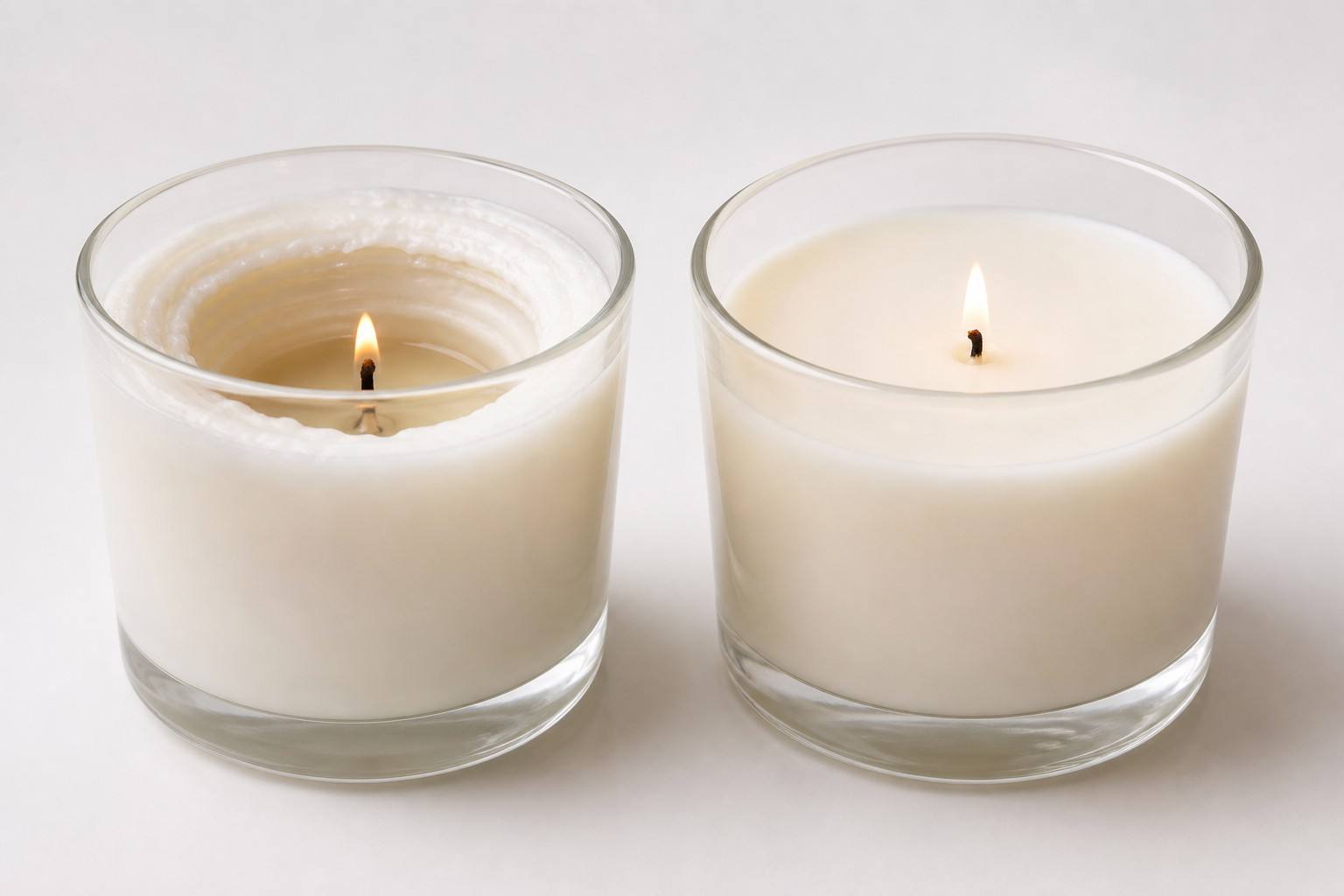
- Candle and Wax Melt Crafting: This is perhaps the most popular use. High-flashpoint fragrance oils are integrated into soy, paraffin, or beeswax to ensure a strong "cold throw" (scent when unlit) and "hot throw" (scent when burning).
- Soap and Bath Alchemy: In "Cold Process" or "Melt and Pour" soap making, fragrance oils provide a stable scent that survives the saponification process, unlike many delicate essential oils.
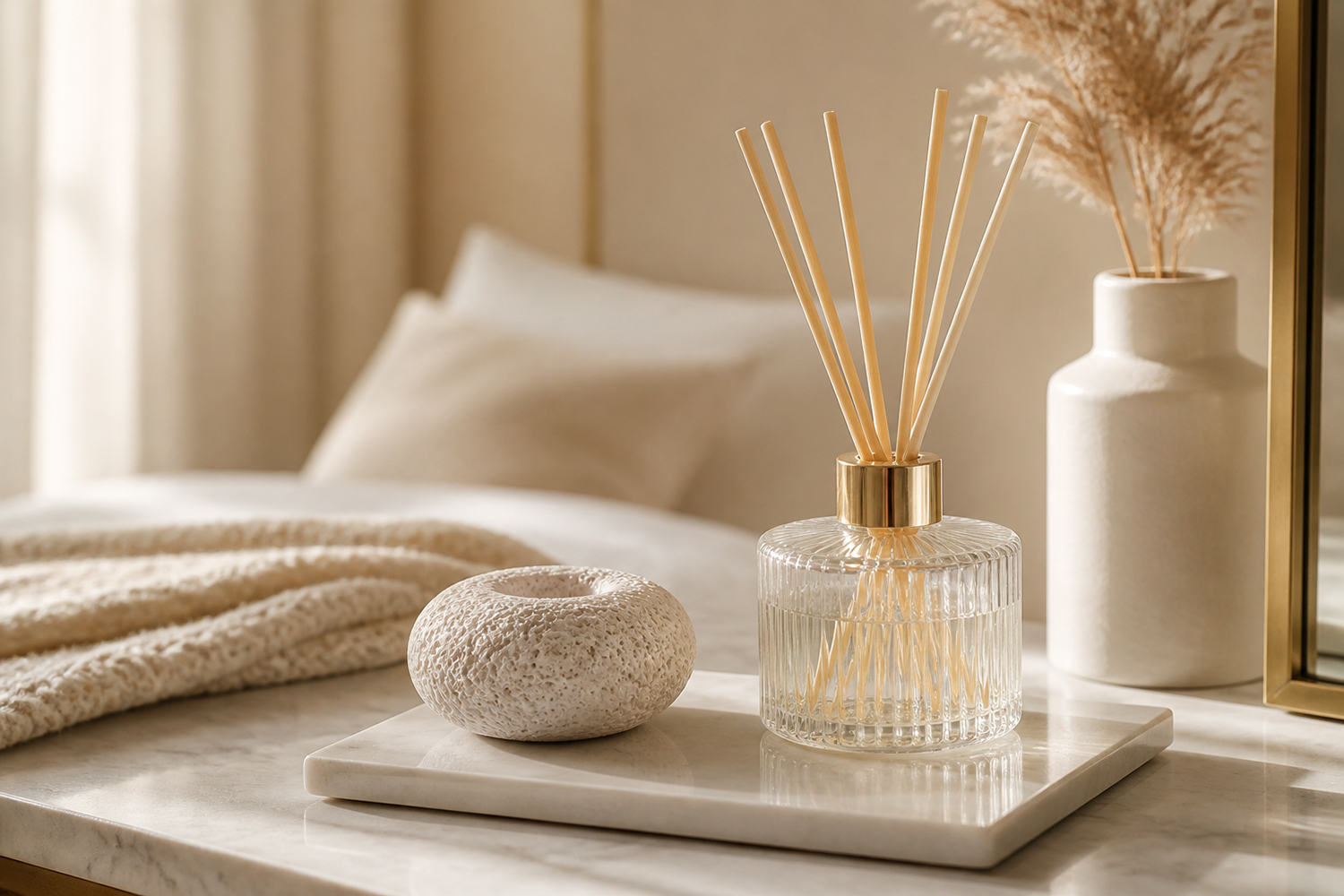
- Home Fragrance Systems: They are the core ingredient in reed diffuser refills, room sprays, and electric plug-ins, providing a constant, long-lasting aroma without the need for a flame.
- Fine Fragrance and Body Care: Perfumes, colognes, and body mists utilize fragrance oils as the primary scent base, often blended with alcohol or skin-safe carriers to create complex olfactory pyramids.
Key Benefits of Using Fragrance Oils
Why do professionals often prefer fragrance oils over other aromatic options?
- Unrivaled Scent Variety: From "Spiced Pumpkin" to "Tobacco & Bay Leaf," the library of available scents is virtually infinite, allowing for total creative freedom.
- Superior Longevity: Engineered with fixatives, these oils maintain their integrity for months or even years, offering a much longer shelf-life and "staying power" than natural extracts.
- Cost-Efficiency for Business: Wholesale fragrance oils are significantly more affordable than rare essential oils (like Rose or Sandalwood), making them the ideal choice for bulk production and commercial viability.
- Performance Consistency: Lab-created oils ensure that every batch smells identical, which is critical for brands maintaining a consistent product line.
Safety Considerations and Proper Usage
While fragrance oils offer immense benefits, professional handling is required to ensure safety:
- Skin Sensitivity: Always check the IFRA (International Fragrance Association) certificate for maximum skin-safe usage levels before adding oils to lotions or soaps.
- Flashpoints: For candle makers, knowing the flashpoint (the temperature at which the oil's vapors can ignite) is essential for safe manufacturing.
- Environmental Impact: Opt for phthalate-free and paraben-free fragrance oils to meet the growing demand for "clean" and eco-conscious home fragrance products.
Natural Alternatives
For brands or individuals focused on 100% natural formulations, alternatives include:
- Pure Essential Oils: Derived from plants, offering therapeutic "aromatherapy" benefits, though with a more limited scent range.
- Natural Isolates: Single aromatic molecules extracted from plant sources to build "natural" fragrance blends.
- Botanical Infusions: Using dried herbs, resins, and spices for a subtle, organic aroma.
Conclusion
Fragrance oils are much more than just "scents in a bottle." They are complex, functional tools that drive consumer behavior, evoke deep-seated emotions, and provide the technical foundation for the global home and personal care industries. By understanding how fragrance oils work—from their chemical composition to their application in candle and soap making—businesses and hobbyists alike can make informed choices to create high-quality, safe, and captivating aromatic products.
Can I Wash Aroma Stone? A Comprehensive Guide
Where is the Best Place to Spray Room Spray
Related Article