Do Diffusers Release Toxins into the Air?
Do Diffusers Release Toxins into the Air?
A welcoming home fragrance can instantly shift your mood, lower stress after a long workday, and create a cozy ambiance. Over recent years, modern aroma diffusers—especially ultrasonic and passive ceramic models—have surged in popularity as eco-conscious alternatives to paraffin wax candles and synthetic aerosol sprays.
Yet, as indoor wellness and air quality awareness rise, a crucial question emerges among health-conscious homeowners: Do diffusers release toxins into the air?
The short answer is nuanced. While the diffusing device itself (such as an ultrasonic or ceramic stone unit) is typically inert, the microscopic mist or vapor it disperses into your living space can carry pollutants if low-grade synthetic fragrance oils, artificial additives, or contaminated ingredients are used.
In this comprehensive guide, we break down the science of home scent diffusion, explore what is actually released into your breathing zone, and show you how to curate a truly non toxic home fragrance diffuser routine for your household.
How Diffusers Interact with Your Indoor Air Quality
To understand whether diffusers produce airborne toxins, it helps to examine how different diffusing technologies work:
- Ultrasonic Diffusers: Use high-frequency electronic vibrations to break water and aromatic oils into a fine micro-mist. Because they do not use heat, they preserve the chemical integrity of botanical oils without thermal degradation.
- Nebulizing Diffusers: Atomize concentrated oil directly into the atmosphere without water or heat, producing a potent scent throw.
- Passive & Ceramic Diffusers: Rely on natural porous evaporation (such as unglazed ceramic stones or wood) without electricity or heat.
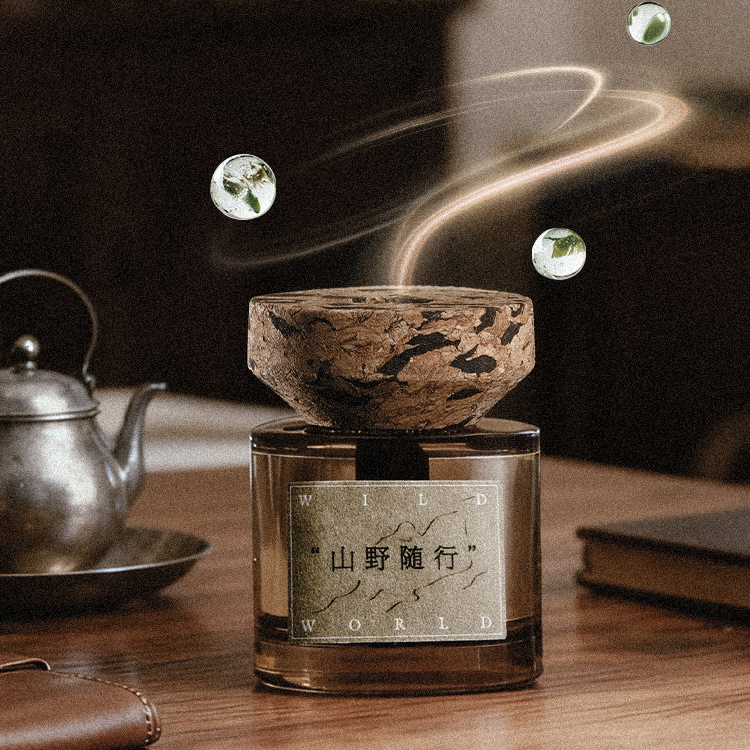
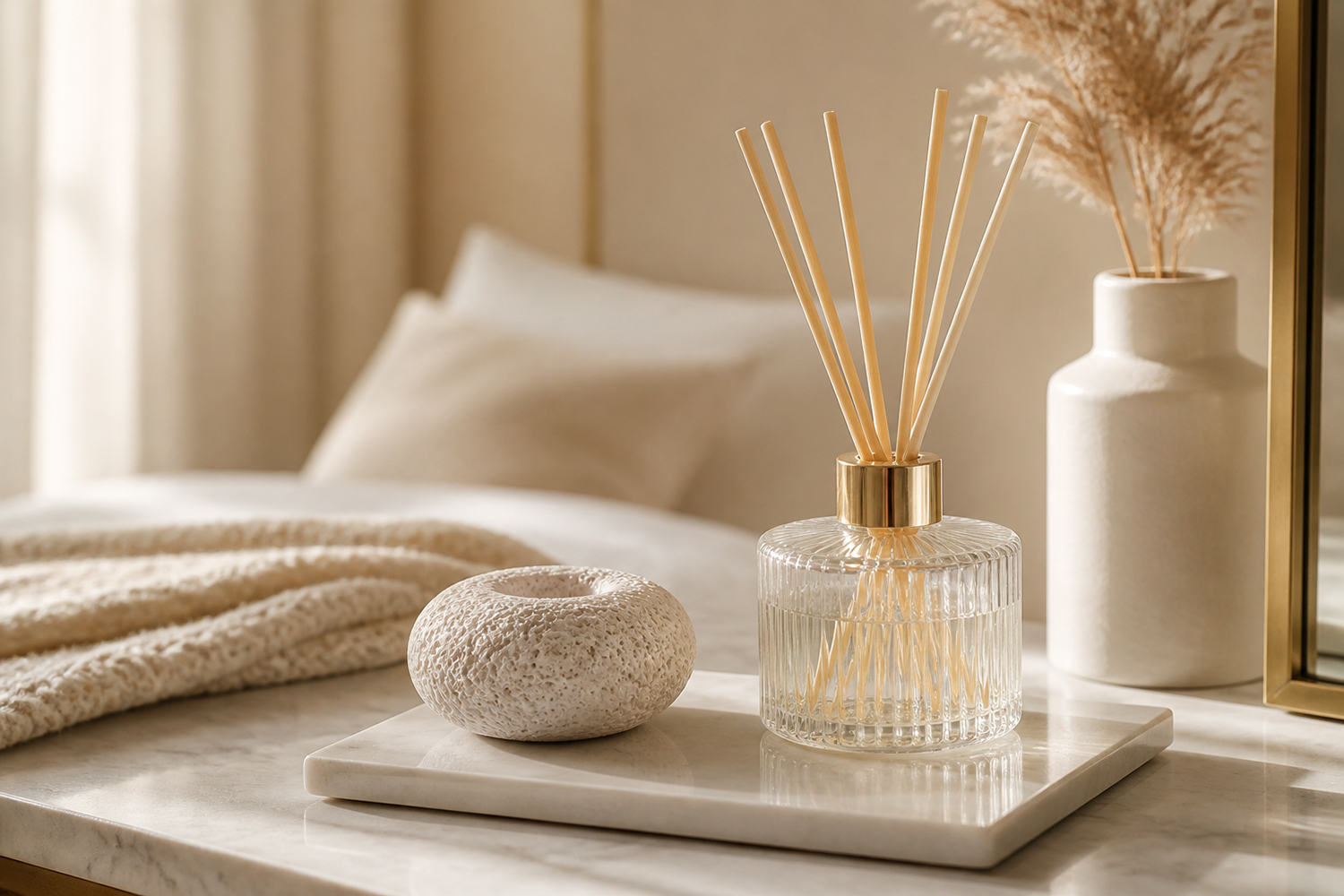
- Reed Diffusers: Draw scented liquid up through natural rattan reeds, slowly releasing fragrance via ambient evaporation.
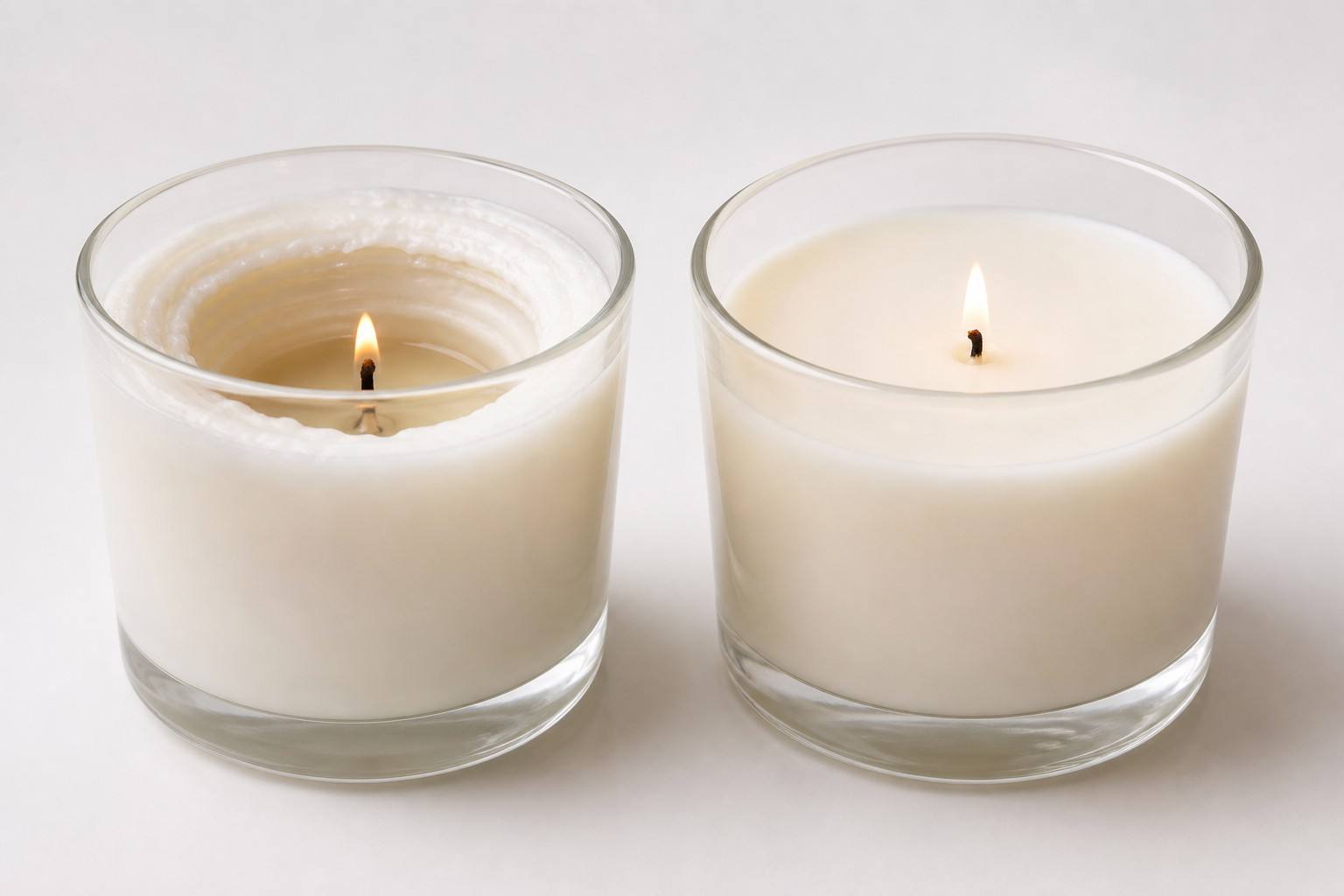
Unlike traditional candles, which involve open flames, soot generation, and combustion byproducts, cold-mist and passive diffusers generate zero carbon monoxide or soot. The air quality outcome is therefore dictated by the chemical makeup of the liquid reservoir.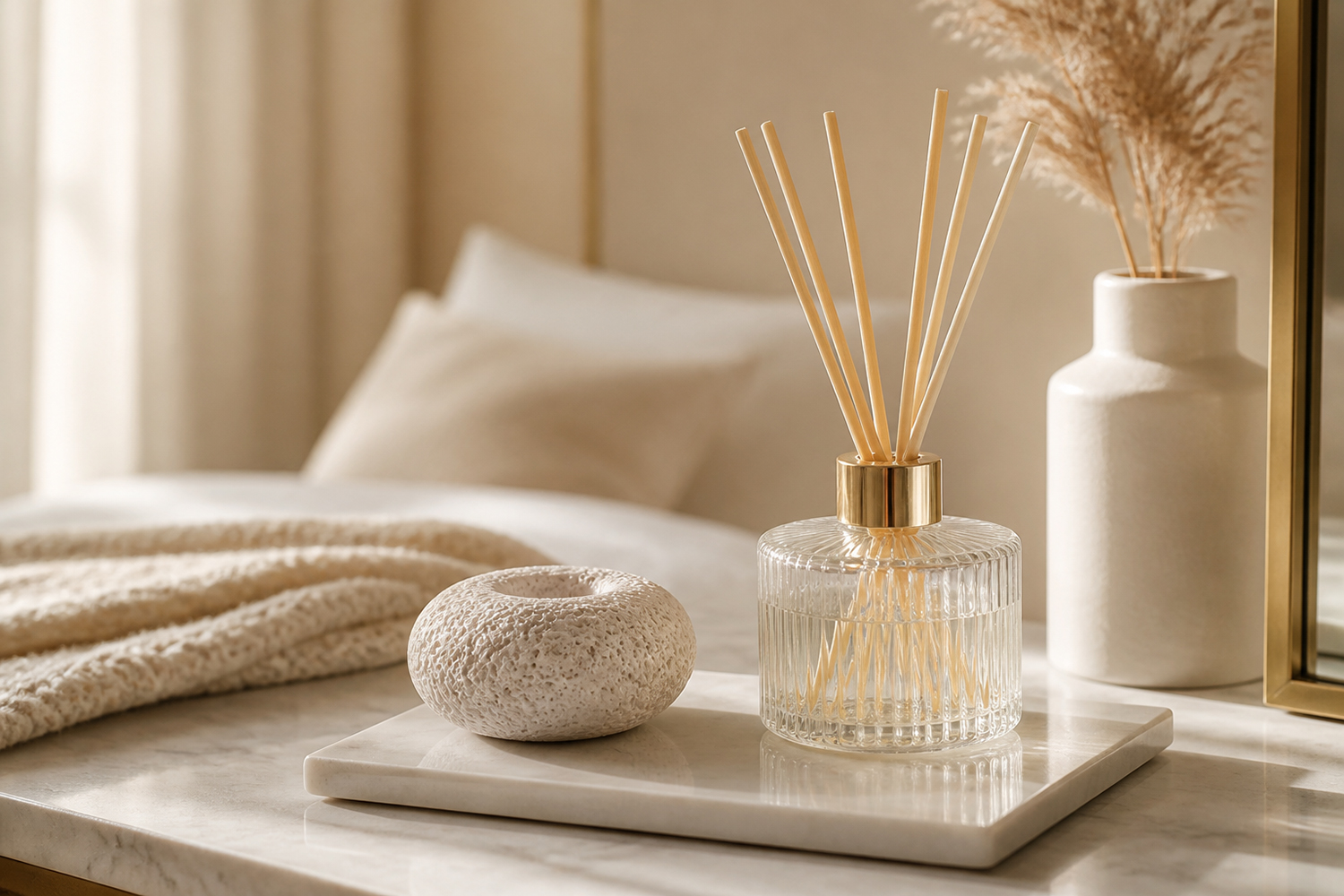
What Might Actually Be Released into the Air?
When concerns about scent toxicity arise, atmospheric chemists and toxicologists point to three primary factors:
[ Fragrance Liquid Formulation ]
         │
         ├──► 1. Synthetic Phthalates & Fixatives (Endocrine Disruptors)
         ├──► 2. High Concentrations of Synthetic VOCs (Airway Irritation)
         └──► 3. Terpene-Ozone Reactions (Secondary Byproducts like Formaldehyde)
1. Volatile Organic Compounds (VOCs) and Synthetic Additives
Many commercial scent liquids and bargain-tier "fragrance oils" are formulated with petroleum-derived petrochemicals, synthetic musks, and phthalates used as scent fixatives. When dispersed into an enclosed room, these synthetic compounds elevate indoor VOC levels, which can trigger headaches, dizziness, and eye or sinus irritation.
According to a clinical review by ColumbiaDoctors on indoor air fresheners and respiratory health, artificial chemical fragrances frequently introduce volatile chemical burdens that aggravate allergies and sensitive airways.
2. Secondary Atmospheric Reactions
Even when using natural plant extracts, certain aromatic botanicals contain natural terpenes (such as limonene in citrus oils and pinene in pine or eucalyptus). When terpenes mix with background indoor ozone (generated by electronic appliances or outdoor smog), they can temporarily react to form ultrafine particles and trace formaldehyde. While trace levels in a well-ventilated room are minimal, continuous diffusion in small, sealed bedrooms can degrade ambient air purity.
3. Inhalation and Direct Exposure Sensitivity
While pure botanical essential oils offer therapeutic aromatherapeutic benefits, they are highly concentrated plant essences. Experts at Poison Control note that fragrance solutions and essential oils can cause airway spasms, mucosal irritation, or accidental toxicity if handled improperly around infants, toddlers, or pets.
Pure Botanical Oils vs. Synthetic Fragrance: A Health Comparison
| Feature | 100% Pure Botanical Essential Oils | Conventional Synthetic Fragrance Oils |
|---|---|---|
| Source | Steam-distilled or cold-pressed plants | Petroleum derivatives & laboratory aromachemicals |
| Phthalates & Parabens | Zero (when 100% unadulterated) | Common (used as stabilizers and scent extenders) |
| Soot & Combustion | None (in ultrasonic/passive units) | None (unless burned in oil burners) |
| Indoor VOC Profile | Naturally occurring botanical terpenes | Synthetic hydrocarbons & synthetic solvents |
| Safety for Sensitive Groups | Safe in moderation (check pet/child lists) | Higher risk of contact and respiratory allergy |

Signs Your Current Diffuser Setup May Be Irritating Your Air
If your diffuser is emitting chemical irritants or over-saturating your space, your body will let you know. Common warning signs include:
- A persistent scratchy throat or dry cough while the device is operating.
- Dull frontal headaches or sinus congestion after 30 to 60 minutes of diffusion.
- Watery, stinging eyes or sneezing fits in pets or family members.
- A heavy, cloying scent that clings to fabrics and furniture long after the device is turned off.
If you experience any of these symptoms, immediately turn off the unit, open your windows for fresh cross-ventilation, and inspect your fragrance oil labels.
How to Choose a Truly Non Toxic Home Diffuser Setup
Creating a clean, restorative olfactory atmosphere is simple when you focus on material purity and third-party transparency. Here is what to look for when shopping for a nontoxic diffuser ecosystem:
1. Select Food-Grade and Inert Diffuser Materials
Choose diffuser housings and reservoirs made of BPA-free medical-grade plastics, handcrafted ceramics, natural stone, or borosilicate glass. Inferior plastics can slowly degrade or leach synthetic plasticizers over time when exposed to concentrated citrus or clove oils.
2. Verify 100% Pure, Single-Origin Essential Oils
Invest in oils that provide clear botanical Latin names (e.g., Lavandula angustifolia), GC/MS (Gas Chromatography-Mass Spectrometry) batch testing reports, and explicit certifications verifying no synthetic adulteration, parabens, phthalates, or artificial solvents.
3. Opt for Minimalist, Alcohol-Free Reed Bases
If you prefer a flame-free passive non toxic home fragrance diffuser like a reed setup, select diffuser liquids built on natural bio-based carrier oils (such as coconut-derived MCT or certified plant glycols) rather than denatured alcohol and dipropylene glycol (DPG).
Best Practices for Safe, Clean Home Diffusion
To enjoy luxurious home scents without compromising your indoor respiratory health, follow these golden rules:
- Practice Intermittent Diffusion: Never run an ultrasonic unit continuously for 8 hours straight. Use the 30-minutes-on, 30-minutes-off timer setting to avoid aromatic overload.
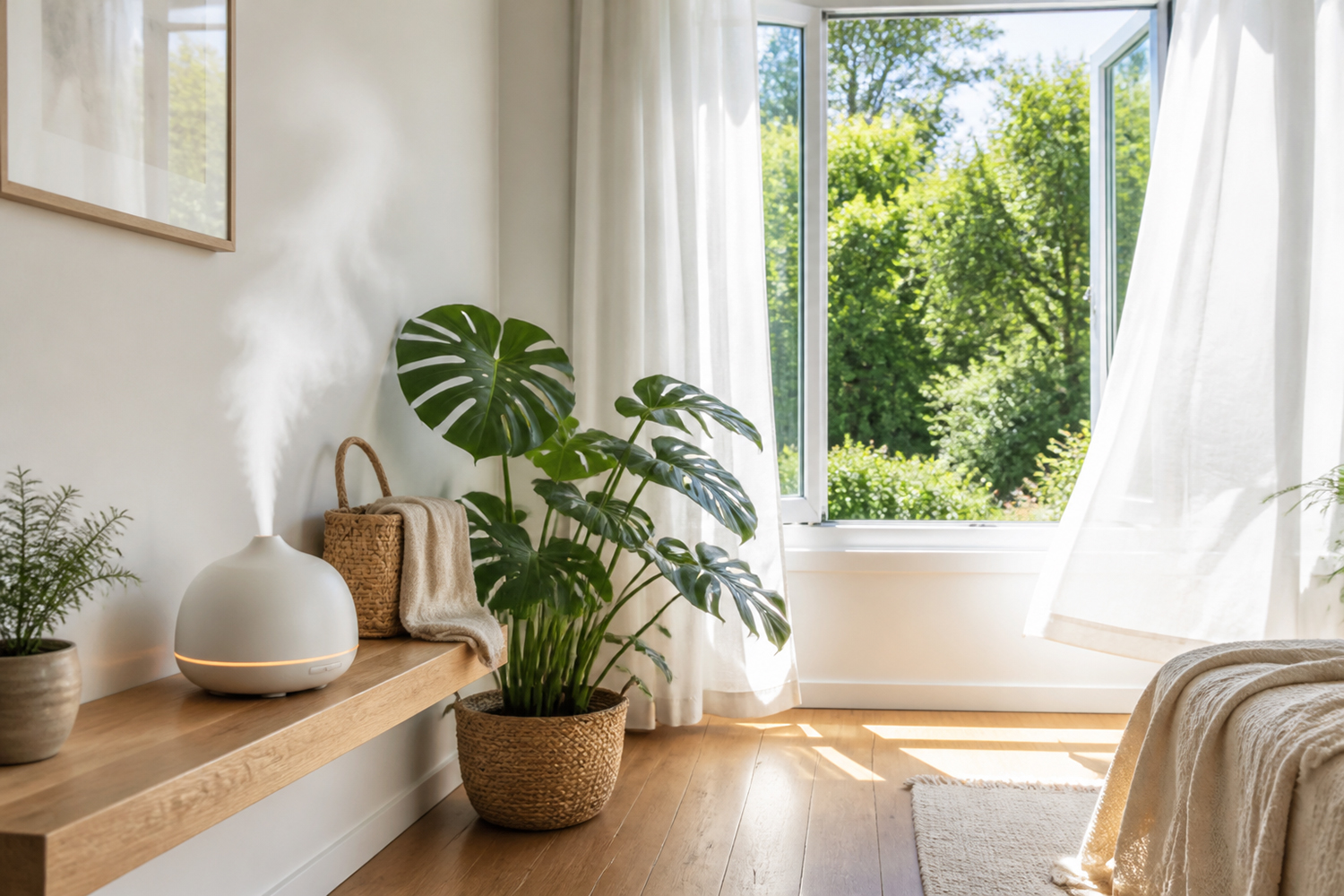
- Prioritize Proper Ventilation: Ensure the room has subtle airflow. Keep bedroom doors ajar so air circulates naturally.
- Clean the Water Basin Weekly: Empty stagnant water daily and wipe the reservoir with diluted white vinegar weekly to prevent bacterial or mineral buildup from becoming airborne.
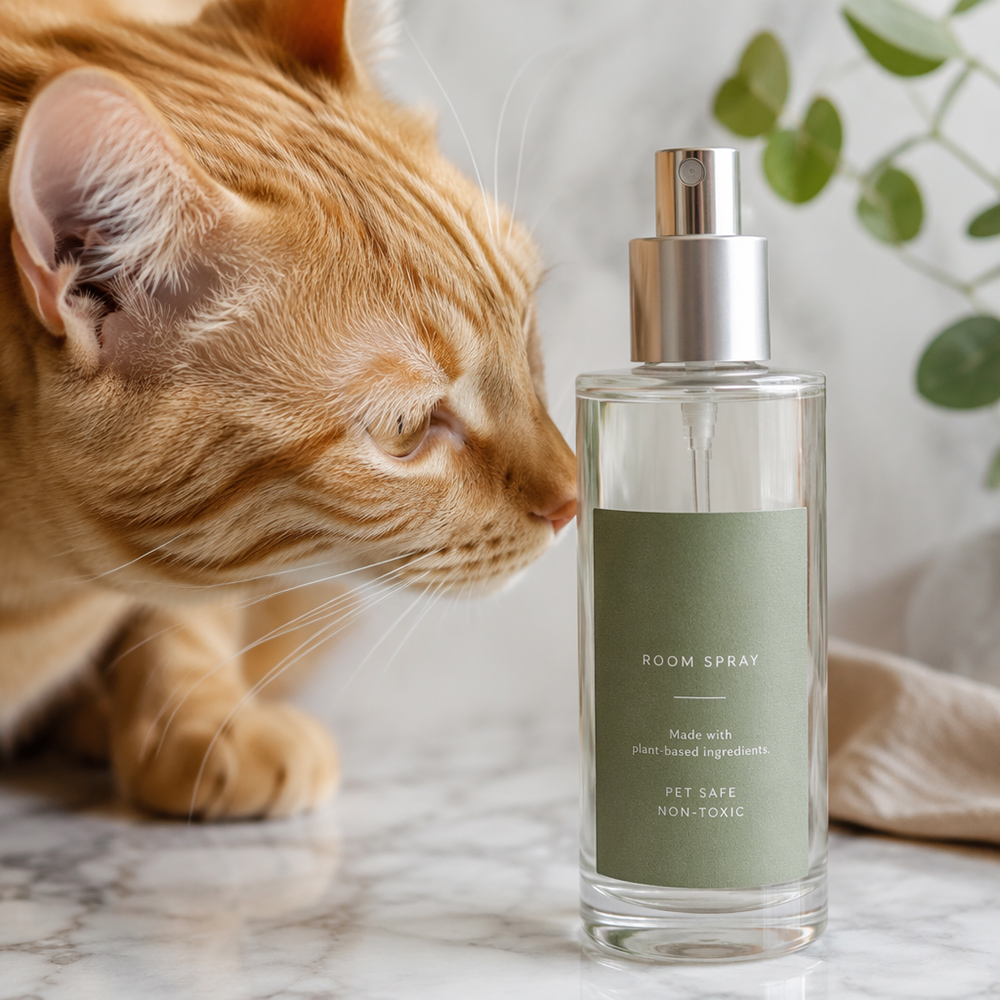
- Be Mindful of Pets: Certain botanicals (such as tea tree, eucalyptus, wintergreen, and peppermint) are toxic to cats and dogs because they lack specific liver enzymes to metabolize them. Always diffuse in pet-accessible, open spaces
Frequently Asked Questions (FAQ)
Are ultrasonic diffusers safer than scented candles?
Yes. Ultrasonic diffusers do not rely on combustion, meaning they produce zero soot, carbon monoxide, or carcinogenic benzene and toluene particles typically associated with paraffin wax candles. When paired with pure botanical oils, they represent one of the cleanest home scent methods available.
Can a non toxic home diffuser trigger asthma or allergies?
While a non toxic home diffuser eliminates synthetic chemical toxins, individuals with hyper-reactive airways may still react to potent natural terpenes (such as high-camphor or spicy oils). If you have asthma, use gentle floral or resinous oils (like Roman chamomile or frankincense) in very light dilutions.
How do I know if my fragrance oil is 100% nontoxic?
Look for full ingredient transparency on the packaging. Authentic, nontoxic oils list the exact botanical species, origin, extraction method, and state "100% Pure Essential Oil." Avoid vague label terms like "fragrance perfume," "scent oil," or "potpourri oil," as these almost universally indicate synthetic chemical formulations.
The Bottom Line: Can You Diffuse Safely?
Do diffusers release toxins into the air? Not when used correctly with clean, unadulterated ingredients.
Diffusers are simply delivery systems. By ditching synthetic, phthalate-laden artificial fragrances and upgrading to a verified non toxic home diffuser paired with pure botanical oils, you can fill your sanctuary with restorative aromas while preserving clean, healthy indoor air for your family.
Where do you put a car diffuser?
Related Article