Scented Candle Use Tips

Scented Candle Use Tips: How to Burn, Care for, and Store Candles Correctly
Scented candles can make a room feel warmer, calmer, and more inviting, but good candle care is essential for a cleaner, longer, and safer burn. Many common problems—including candle tunneling, uneven wax, a large flame, soot, and weak fragrance—are caused by simple habits that can be corrected.
This guide explains how to burn a scented candle correctly, how to fix a memory ring, when to trim the wick, how to extinguish a candle safely, and how to choose a candle with more transparent ingredients. Whether you are new to home fragrance or want to get more from every candle, these practical tips will help you enjoy the fragrance of your scented candles more consistently.
1. Let the First Burn Create a Full Melt Pool
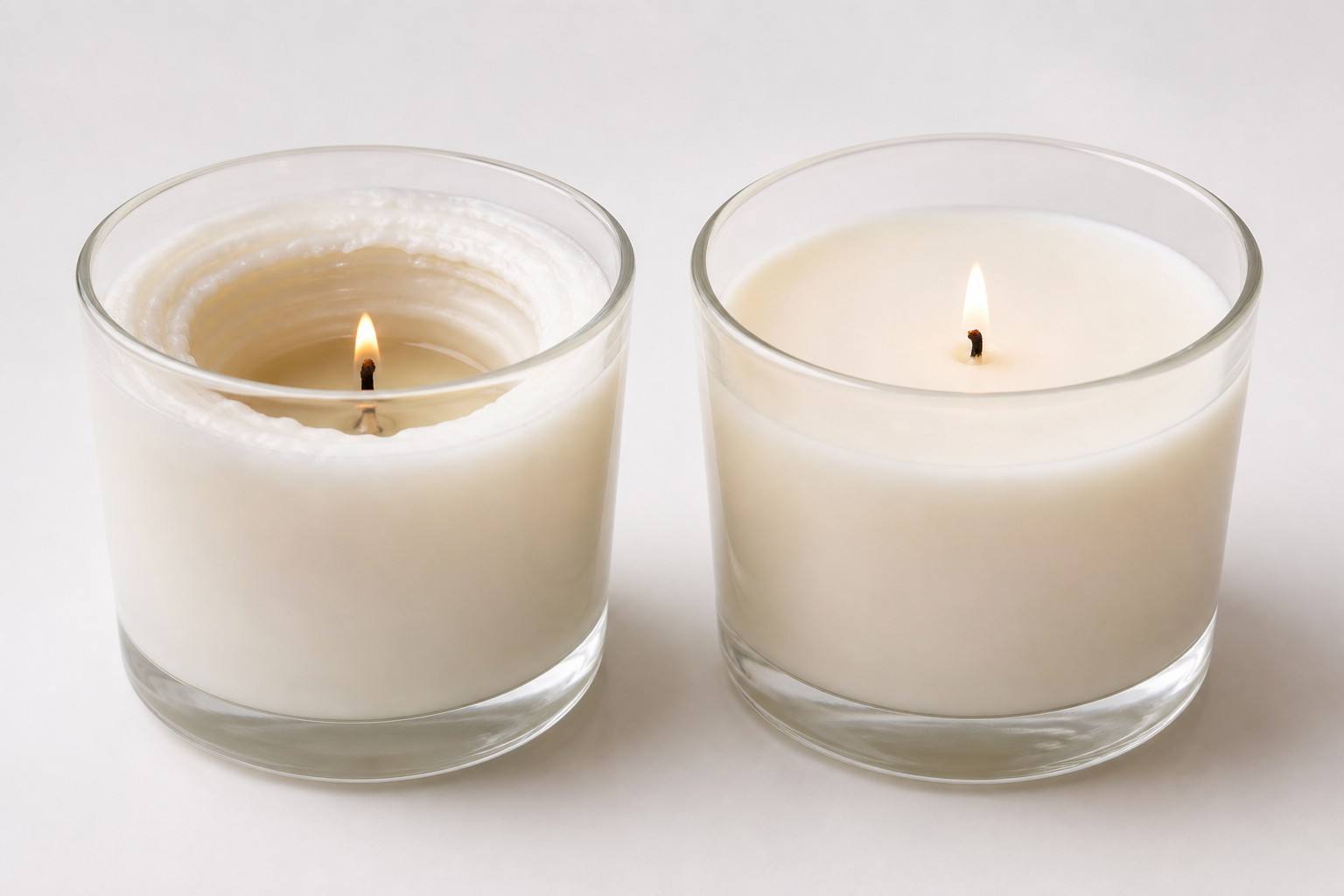
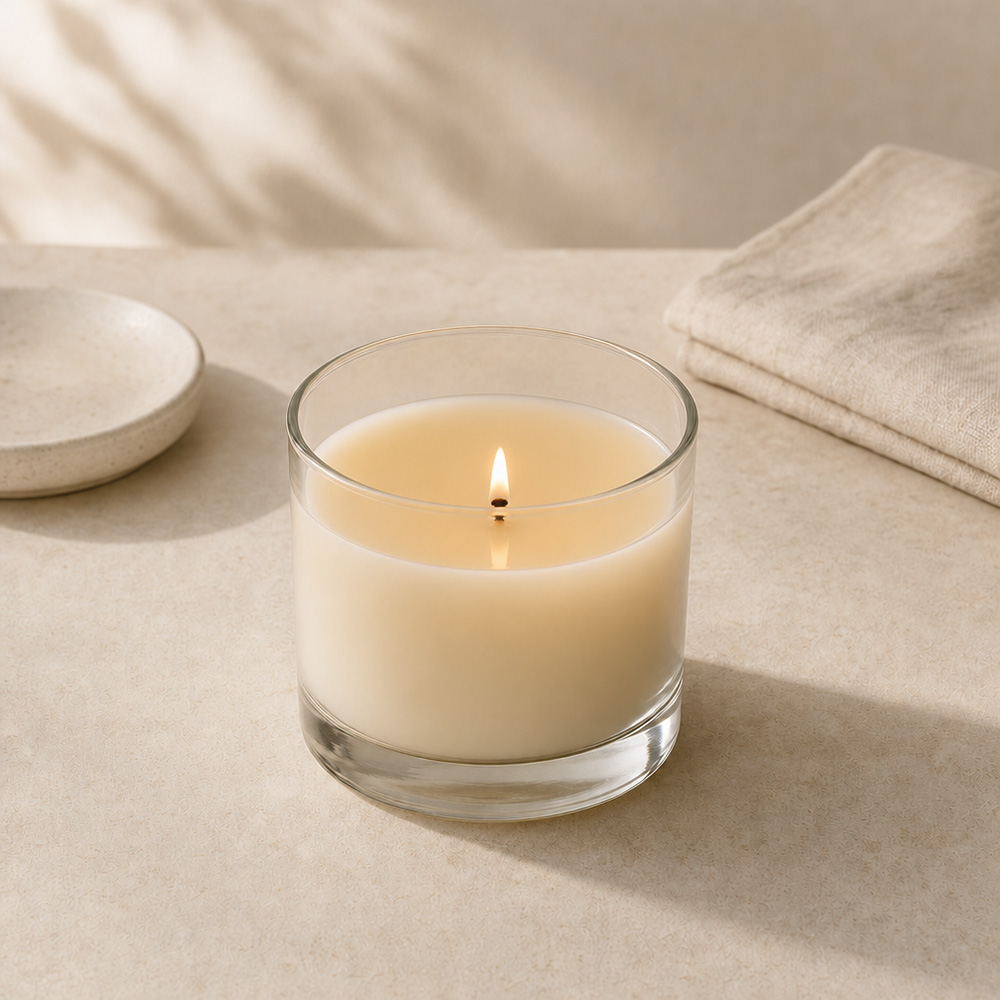
The first burn shapes how the candle will perform in the future. Wax has a memory: if you extinguish the candle while only the center has melted, the unmelted wax around the edge can remain higher during later burns. This uneven pattern is commonly called a memory ring or candle tunneling.
During the first use, allow the top layer of wax to melt evenly across the surface before putting out the flame. The exact time depends on the candle's diameter, wax formula, wick, and maker's instructions. For many medium-sized candles, this may take two to four hours, but always follow the label's maximum burn time.
Do not burn a candle until all the wax has disappeared. Stop when about 1/2 inch, or 1.3 cm, of wax remains at the bottom, or follow the manufacturer's instructions. A full first melt pool can help prevent tunneling, while a reasonable burn limit supports safer use.
Why Does the First Burn Matter?
A candle flame melts wax in a gradual circle. If the first burn is too short, the wax near the vessel wall may stay solid. On the next burn, the flame often follows the existing depression instead of melting outward evenly. This reduces the usable wax and can make the candle look uneven.
For this reason, avoid lighting a new candle for only a few minutes and then putting it out. If you have limited time, choose a smaller candle or wait until you can supervise a longer, appropriate burn.
2. How to Fix a Candle Memory Ring or Tunneling
A memory ring may appear when the candle is extinguished too early, when the vessel is wide, or when the wick does not produce enough heat for its diameter. Mild tunneling can sometimes be corrected with a longer, supervised burn that lets the wax surface level out.
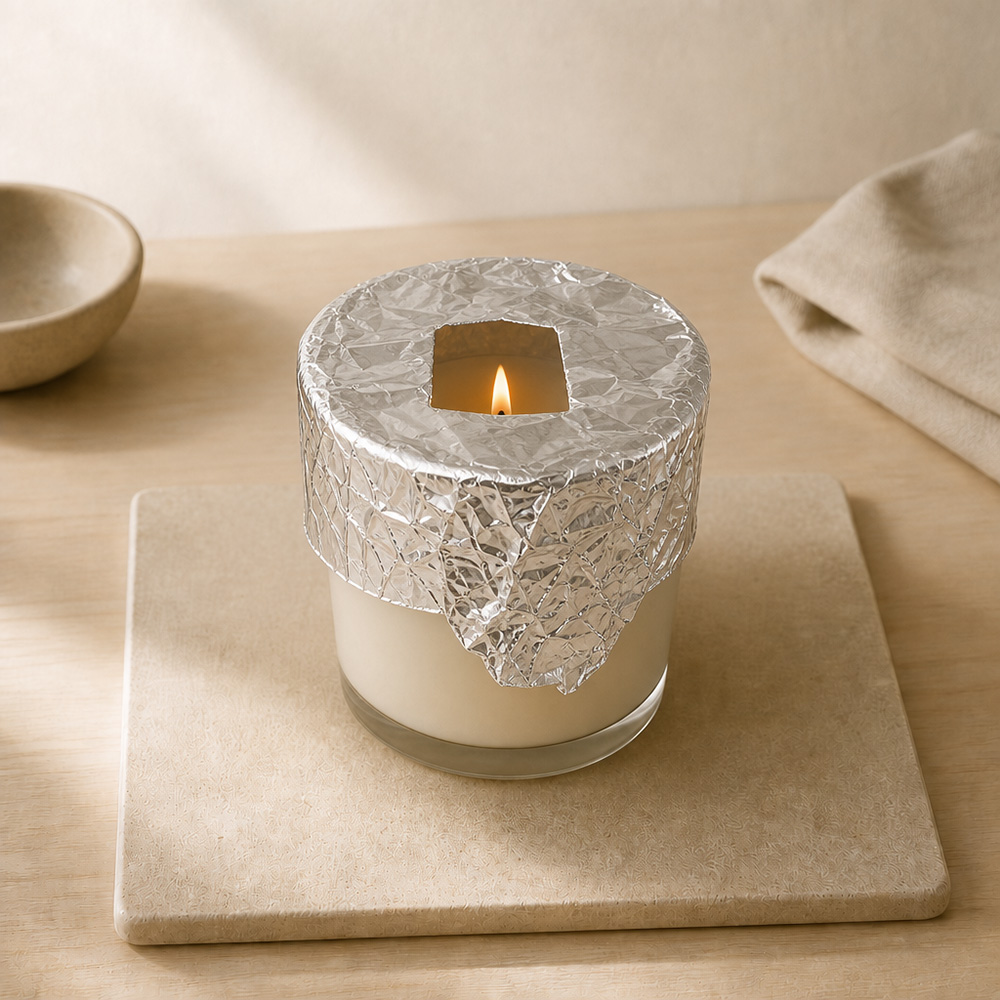
For a noticeable ring, some users create a loose aluminum foil tent around the vessel. Leave an opening around the flame so oxygen can circulate, and use this method only while the candle is within sight. The foil can reflect heat toward the outer wax. Never leave a foil-covered candle unattended, and stop if the container becomes excessively hot, damaged, or discolored.
Do not try to remove a large amount of solid wax while the candle is burning. If the candle repeatedly tunnels after proper use, the wick and vessel may not be well matched. In that case, replacing the candle is safer than forcing the flame to compensate.
3. Trim the Wick Before Every Burn
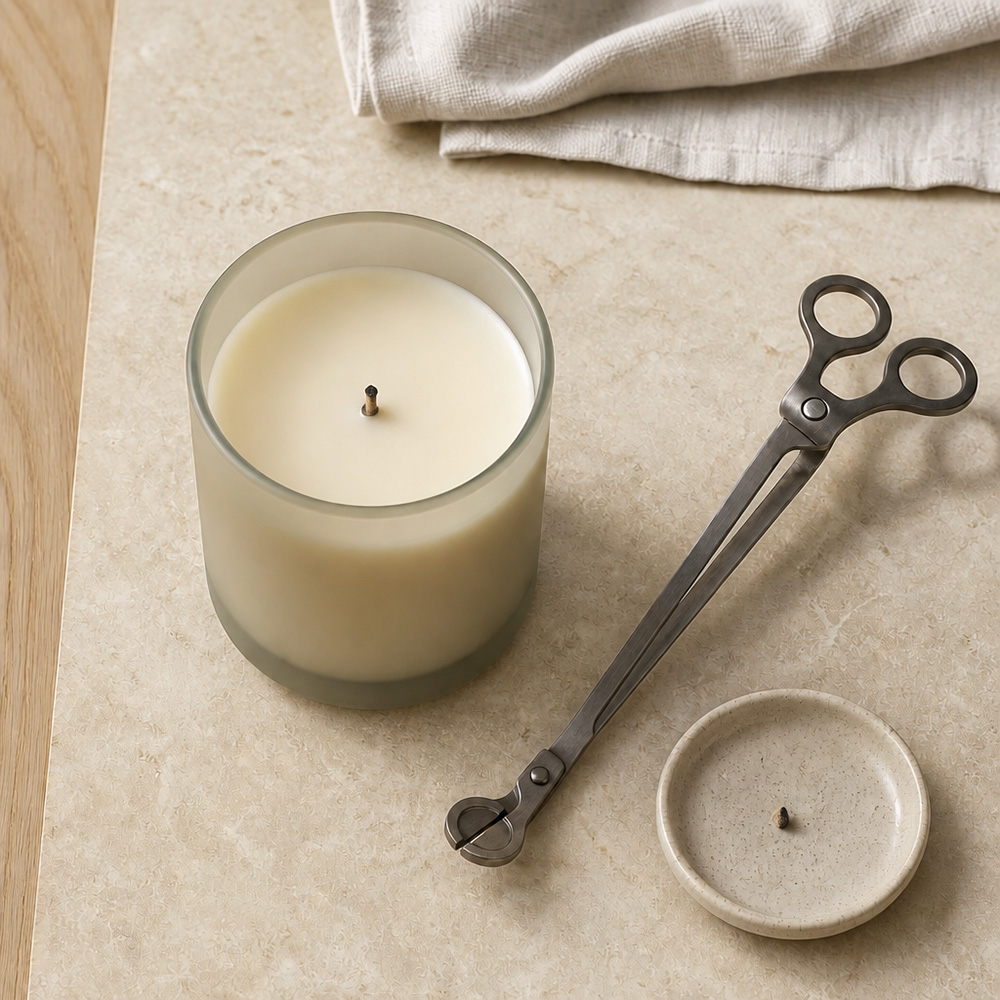
Wick care is one of the easiest ways to improve a candle's performance. Before each use, allow the wax to cool completely, then trim the wick to approximately 1/4 inch, or approximately 0.5 cm. Remove the trimmed piece from the wax before lighting the candle.
A wick that is too long can create a larger flame, uneven heat, smoke, and soot. It may also make the candle burn faster. A properly trimmed wick helps keep the flame stable and allows the wax and fragrance to melt at a controlled rate.
If the flame remains unusually high, flickers strongly, or produces visible black smoke, extinguish the candle, let it cool, and check the wick. Keep the wax pool free from matches, wick trimmings, dust, and other debris that could catch fire.
4. Burn the Candle in the Right Location
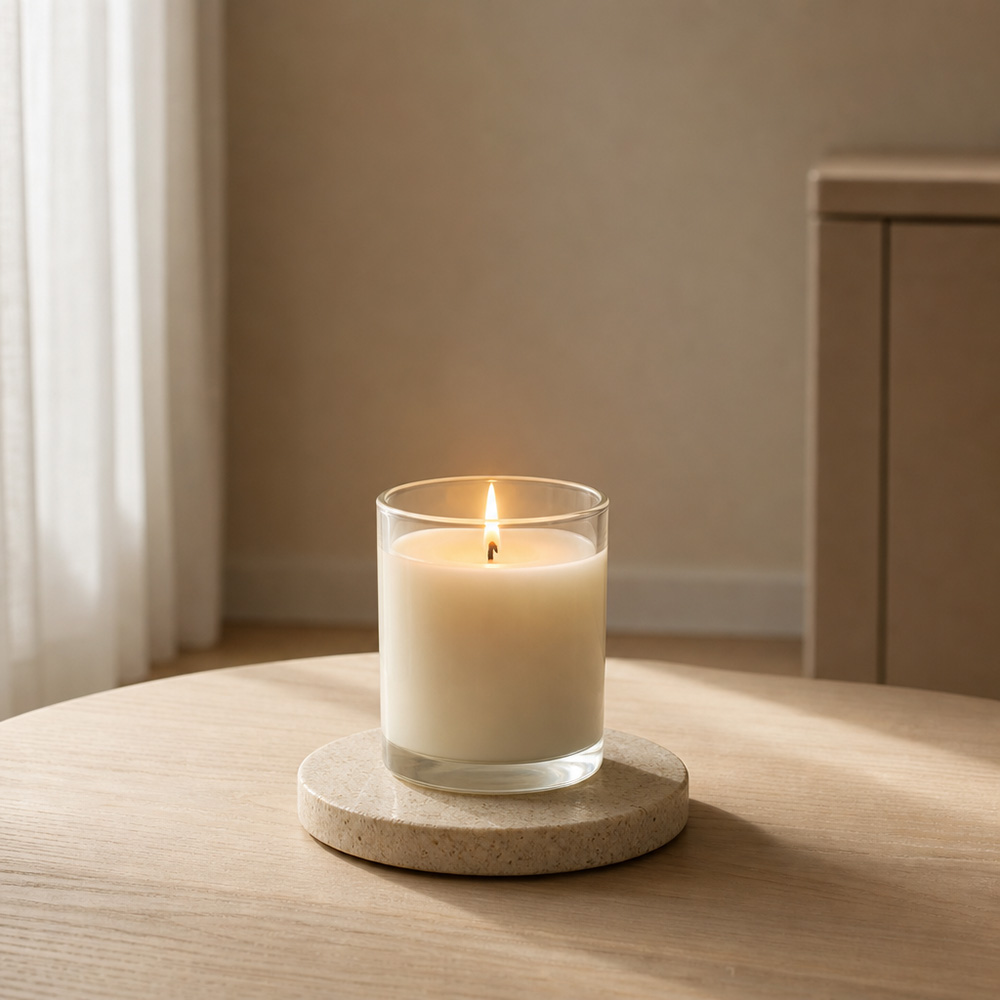
Candle placement affects fragrance distribution and safety. Put it on a stable, heat-resistant surface away from curtains, paper, furniture edges, pets, and children. Keep it away from drafts, fans, vents, and open windows. Moving air can make the flame flicker, heat one side of the vessel, and create uneven melting.
Do not place several candles too close together. Their combined heat may warm the containers or surrounding surface beyond what is intended. Keep the candle within sight while it is burning, and never leave a lit candle unattended or burning while you sleep.
A quiet location also helps you evaluate the fragrance. Strong airflow can disperse the scent too quickly, while a very small or poorly ventilated room may make it feel overwhelming. Light the candle in a suitable space and let the scent develop gradually.
5. Extinguish a Candle Without Creating Extra Smoke
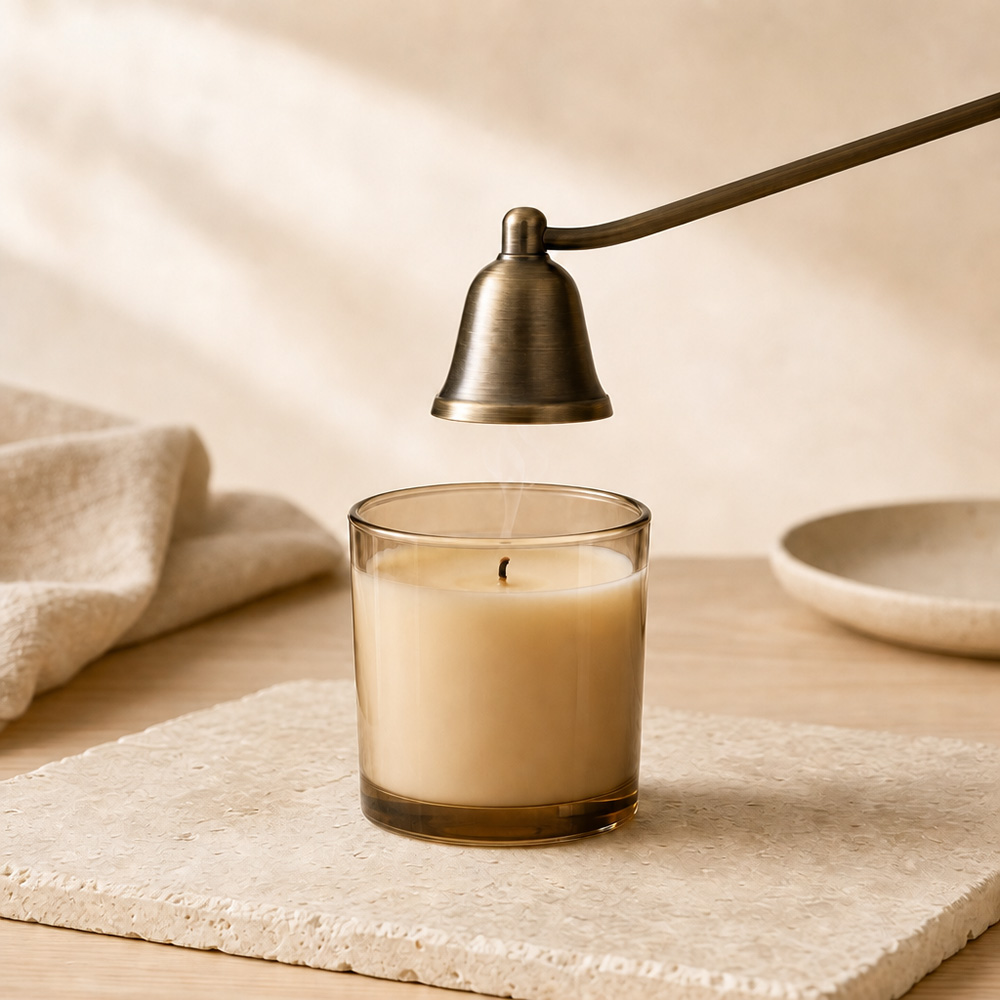
The safest way to put out a candle is to use a candle snuffer. Lower the snuffer over the flame briefly, then lift it once the flame is fully extinguished. This method reduces the chance of splashing hot wax and avoids blowing ash or smoke across the room.
If you do not have a snuffer, gently cover the flame with a purpose-designed, heat-resistant lid if the candle came with one. Do not place a decorative lid or unsuitable material over a hot vessel. Dipping the wick into melted wax and returning it upright is another method, but use an appropriate wick tool and great care.
Blowing out a candle may be convenient, but it can produce smoke, scatter hot wax, and disturb the wick. Whichever method you use, allow the candle to cool fully before moving it or replacing its lid.
6. Store Scented Candles Away from Light and Heat
Fragrance, wax, and color can be affected by direct sunlight and excessive heat. Store candles in a cool, dry, shaded place, ideally at a stable room temperature. Avoid windowsills, radiators, hot vehicles, and areas exposed to strong temperature changes.
Keep the lid on when the candle is not in use. A lid helps reduce dust and limits the loss of volatile fragrance notes between burns. It can also help prevent the wax surface from collecting fibers or household debris.
If the wax surface becomes soft or the container feels hot, move the candle to a cooler location and let it return to room temperature naturally. Do not place a warm glass or ceramic vessel directly on a cold surface, as sudden temperature changes may increase the risk of damage.
7. How to Choose a Better Candle for Your Home
People searching for the best non toxic candles often want a simple answer, but “non-toxic” is not a universal guarantee or a complete product specification. Instead of relying on a label alone, look for transparent information about the wax, wick, fragrance, colorants, burn instructions, and safety testing.
You may also compare wax options such as soy, beeswax, coconut, or blended wax, while remembering that performance depends on the full formulation rather than one ingredient. A clean-looking label does not replace proper ventilation, wick care, and responsible burning.
For a balanced scented candles fragrance experience, consider the room size, fragrance concentration, and scent profile. A candle's fragrance includes its notes, strength, and scent throw. Citrus and herbs may feel lighter, while woods, amber, vanilla, and spice can create a richer atmosphere. Personal preference, vessel size, and burn performance matter as much as the ingredient list.
Candle Care Checklist
Before lighting:
- Trim the wick to about 1/4 inch or 0.5 cm.
- Place the candle on a stable, heat-resistant surface.
- Remove debris from the wax pool.
- Keep the candle away from drafts and flammable objects.
While burning:
- Allow the first burn to form an even melt pool.
- Follow the label's maximum burn time.
- Keep the flame within sight.
- Extinguish the candle if the flame becomes unusually large or produces persistent smoke.
After burning:
- Extinguish the flame with a snuffer or suitable lid.
- Let the vessel cool before moving it.
- Replace the lid and store the candle away from sunlight and heat.
Final Thoughts
Using a scented candle correctly improves fragrance, appearance, burn time, and safety. Start with a supervised first burn, trim the wick before every use, correct tunneling carefully, and store the candle in a cool, shaded place. When comparing candles, evaluate transparent product information rather than broad claims. These habits support a more even melt pool and a reliable home fragrance experience.
The Benefits of Using an Aroma Stone
How to Choose Car Fragrances
Related Article