How to Make Fragrance Oil

How to Make Fragrance Oil: A Comprehensive Guide
Fragrance oils are versatile and widely used in perfumes, candles, soaps, lotions, and home diffusers. Unlike essential oils, which are extracted from plants, fragrance oils are typically synthetic or a blend of natural and synthetic ingredients, allowing for a broader range of scents. Making your own fragrance oil can be a rewarding DIY project, enabling you to customize unique aromas. In this guide, we’ll explore the step-by-step process of creating fragrance oils, the necessary ingredients, safety precautions, and creative applications.
1. Understanding Fragrance Oils vs. Essential Oils
Before making fragrance oil, it’s essential to understand the difference between fragrance oils and essential oils:
-
Essential Oils: Extracted from plants through distillation or cold pressing. They are pure, natural, and often have therapeutic properties.
-
Fragrance Oils: Usually synthetic or a combination of natural and artificial ingredients. They are designed to mimic scents and are more stable in various applications like candles and soaps.
Fragrance oils offer more variety (e.g., vanilla cupcake, ocean breeze) and are often more affordable than essential oils.
2. Ingredients Needed to Make Fragrance Oil
To create fragrance oil, you’ll need:
-
Carrier Oil: A neutral, odorless oil to dilute the fragrance. Common options include:
-
Jojoba oil
-
Sweet almond oil
-
Fractionated coconut oil
-
Grapeseed oil
-
-
Fragrance Concentrate (Scent): These can be:
-
Essential oils (for a natural approach)
-
Synthetic fragrance oils (for a broader scent range)
-
Aromatic chemicals (for advanced perfumers)
-
-
Fixatives (Optional): Helps the scent last longer. Examples:
-
Benzoin resin
-
Vanilla absolute
-
Beeswax
-
-
Alcohol (Optional): Used in perfumery to help blend oils (e.g., perfumer’s alcohol or vodka).
-
Glass Bottles or Jars: For storage (dark glass is best to preserve the oil).
3. Step-by-Step Process to Make Fragrance Oil
Step 1: Choose Your Scent Profile
Decide on the fragrance blend you want. Common scent categories include:
-
Floral (rose, jasmine, lavender)
-
Citrus (lemon, orange, bergamot)
-
Woody (sandalwood, cedar, patchouli)
-
Gourmand (vanilla, caramel, chocolate)
-
Fresh/Herbal (peppermint, eucalyptus, rosemary)
You can use a single scent or create a custom blend.
Step 2: Measure and Mix the Oils
-
For a simple fragrance oil:
-
Mix 10-30% fragrance concentrate (essential oils or synthetic fragrance) with 70-90% carrier oil.
-
Example: For 10ml of fragrance oil, use 2ml of essential oil and 8ml of jojoba oil.
-
-
For a stronger scent, increase the fragrance ratio (up to 50% for perfumes).
Step 3: Add Fixatives (Optional)
If you want the scent to last longer, add a small amount of fixative (e.g., a few drops of benzoin resin or a pinch of orris root powder).
Step 4: Let the Oil Mature
-
Store the mixture in a dark glass bottle.
-
Let it sit for 24-48 hours (or up to a week for complex blends) to allow the scents to meld.
Step 5: Test and Adjust
-
Apply a small amount to your skin or a test strip.
-
If the scent is too weak, add more fragrance; if too strong, dilute with more carrier oil.
4. Safety Considerations
-
Skin Sensitivity: Always perform a patch test before applying fragrance oil to your skin.
-
Proper Ventilation: Work in a well-ventilated area when handling strong scents.
-
Storage: Keep oils away from sunlight and heat to prevent degradation.
-
Avoid Ingestion: Fragrance oils are not safe to consume unless specifically labeled as food-grade.
5. Creative Uses for Homemade Fragrance Oils
Once you’ve made your fragrance oil, you can use it in various ways:
-
Perfumes: Mix with alcohol for a spray or use as an oil-based roll-on.
-
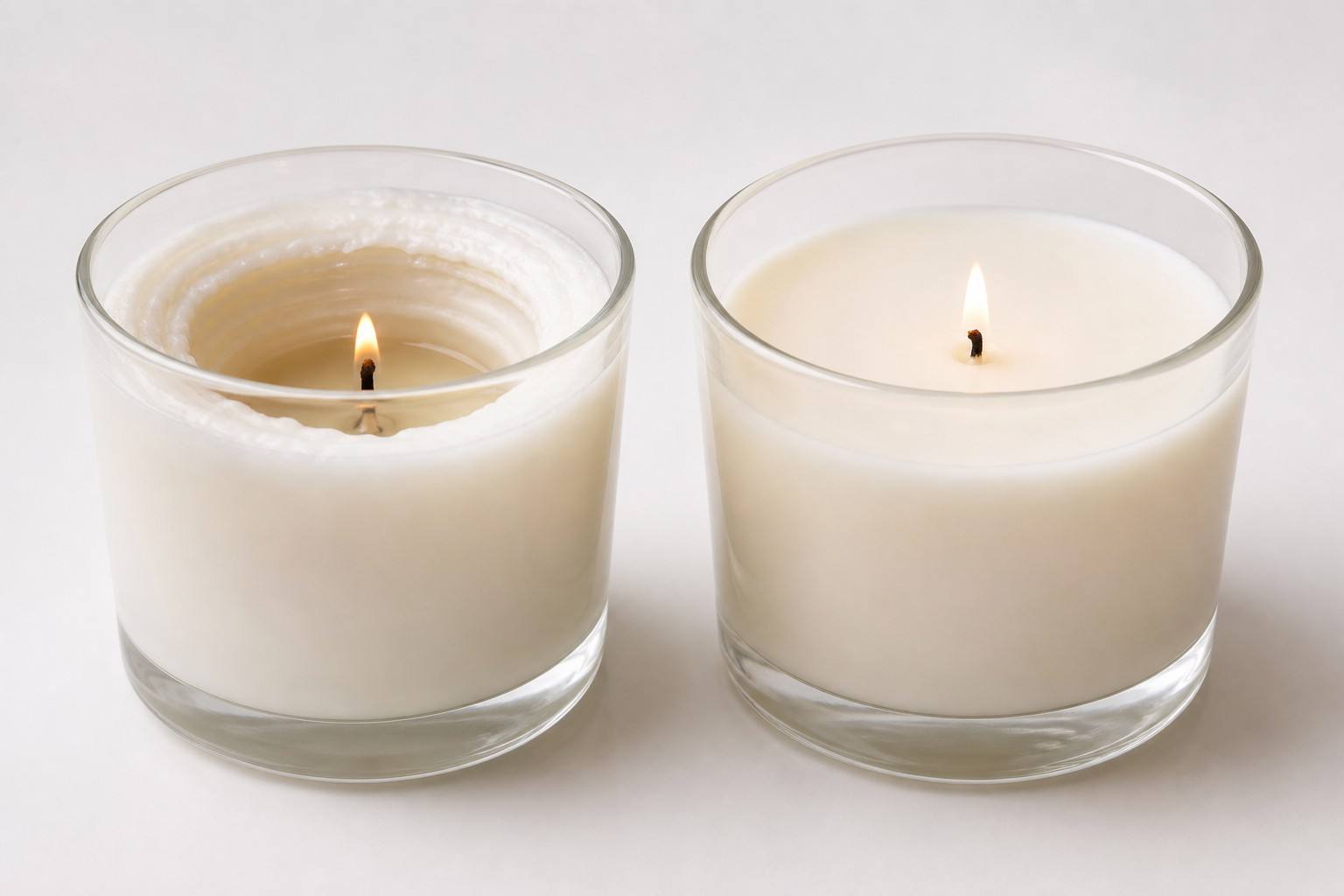
Candles & Wax Melts: Add to melted wax before pouring.
-
Soaps & Lotions: Incorporate into DIY skincare products (ensure skin-safe ingredients).
-
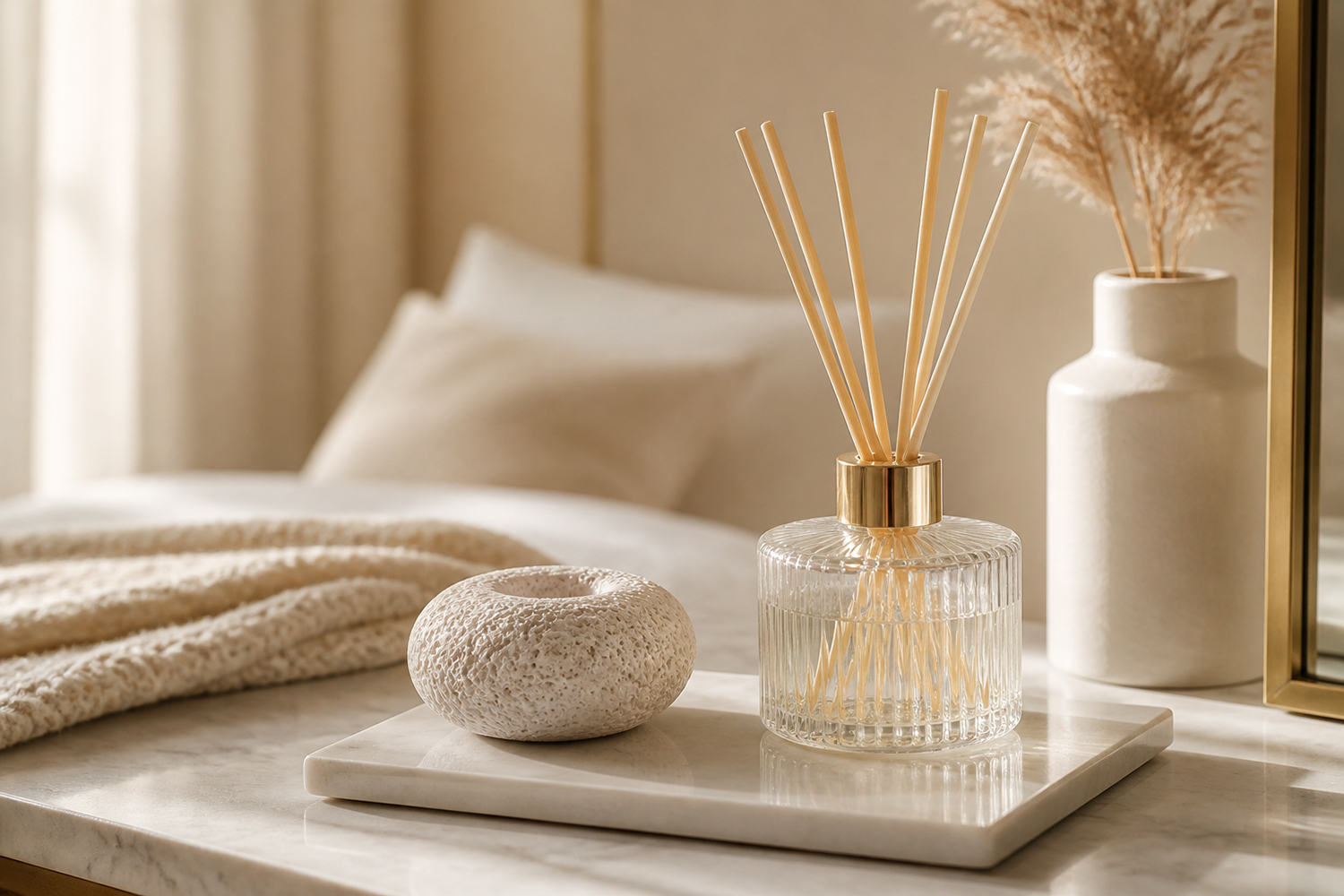
Room Diffusers: Use with reed diffusers or electric diffusers (check compatibility).
-
Massage Oils: Blend with carrier oils for an aromatic massage experience.
6. Advanced Techniques: Creating Custom Perfume Blends
For those interested in perfumery, you can experiment with top, middle, and base notes to create complex scents:
-
Top Notes: Light, fresh scents (citrus, herbs) that evaporate quickly.
-
Middle Notes: Heart of the fragrance (floral, spice) that lasts longer.
-
Base Notes: Deep, long-lasting scents (woods, musk, vanilla).
Example blend:
-
Top: Bergamot (2 drops)
-
Middle: Lavender (3 drops)
-
Base: Vanilla (1 drop) + Sandalwood (2 drops)
7. Troubleshooting Common Issues
-
Scent Too Weak? Increase fragrance concentration or use a fixative.
-
Oil Separation? Shake well before use; some ingredients may not fully blend.
-
Allergic Reaction? Discontinue use and consult a dermatologist.
8. Conclusion
Making fragrance oil is a fun and creative process that allows you to craft personalized scents for various uses. Whether you prefer natural essential oils or synthetic fragrance blends, the key is experimentation and patience. By following proper measurements, safety guidelines, and aging techniques, you can produce high-quality fragrance oils for perfumes, candles, skincare, and more.
Start with simple blends and gradually explore more complex combinations to develop your signature scent. Happy blending!
What is the Difference Between Room Spray and Fragrance?
Are soy candles non toxic
Related Article