How do you make high quality scented candles
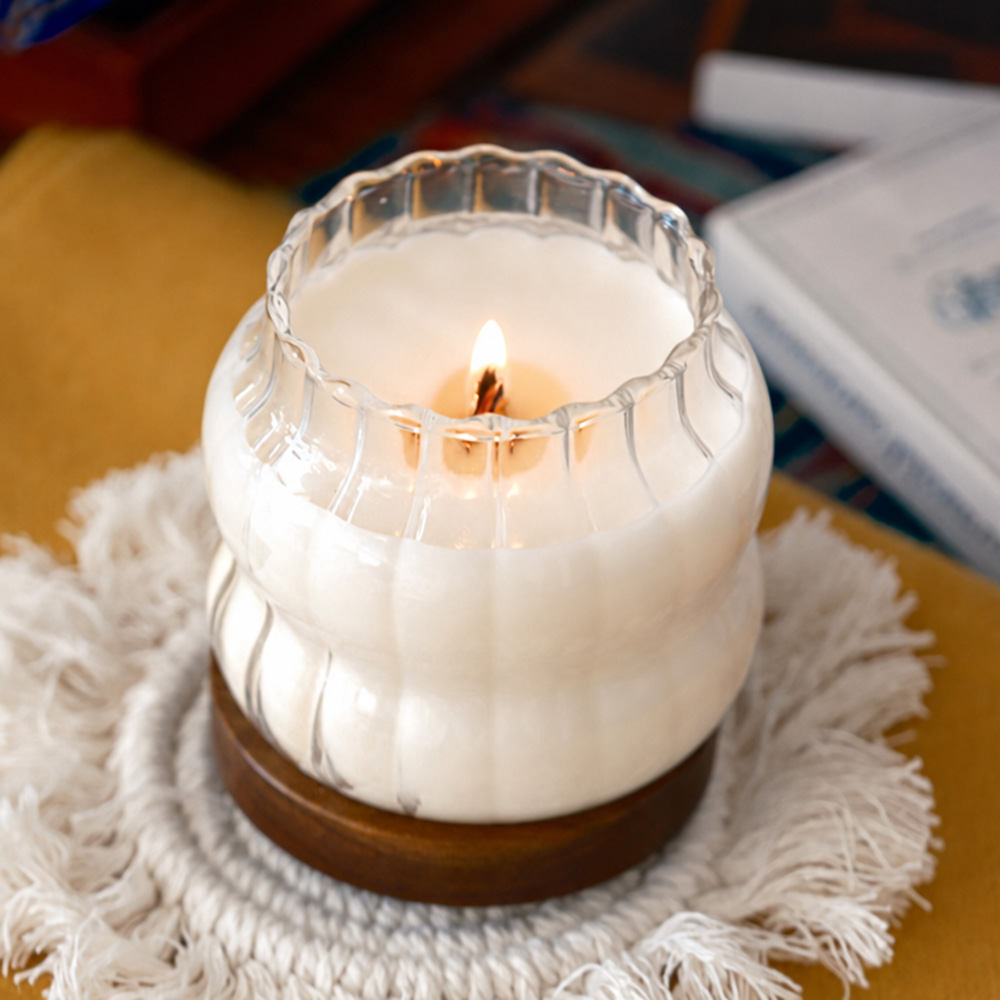
Scented candles have evolved from simple home decor into an essential ritual for relaxation, mindfulness, and sensory wellness. A well-crafted candle transforms an ordinary room into a soothing sanctuary. However, anyone who has purchased or made candles knows that quality varies dramatically. Common frustrations—such as weak scent throw, uneven burning (tunneling), unsightly soot, and harsh synthetic fumes—often stem from poor ingredient selection and rushed crafting techniques.
Crafting artisanal, studio-grade candles requires an understanding of wax chemistry, thermal dynamics, and fragrance binding. Whether you are an enthusiast crafting for personal wellness or seeking to master the art of candle making, this comprehensive guide covers everything you need to know about creating clean, aromatic, and exceptionally crafted candles from scratch.
1. Selecting Premium Ingredients: The Foundation of Quality
The performance, safety, and longevity of any candle depend entirely on its raw components. Choosing high-grade materials ensures that your finished product burns evenly and diffuses fragrance effectively.
A. The Wax: Why Natural Soy Wax Outperforms Synthetic Alternatives
Wax is the fuel and medium of your candle. While traditional paraffin wax is widely available, it is a petroleum byproduct that can release fine soot and volatile compounds when burned improperly.
For modern, eco-conscious homes, soy wax scented candles represent the gold standard. Derived from natural soybean oil, soy wax offers several distinct advantages:
- Clean & Sustainable Burn: Soy wax is 100% biodegradable and renewable, producing virtually zero black soot.
- Lower Melting Point: Because soy wax melts at a lower temperature (typically between 120°F and 125°F / 49°C to 52°C), it creates a broader, gentler melt pool that burns slower and lasts up to 50% longer than paraffin.
- Superior Scent Dispersion: The molecular structure of soy wax allows fragrance molecules to bind smoothly, providing a delicate and consistent scent throw throughout the candle’s lifespan.
B. The Wick: Engineering the Perfect Flame
The wick acts as the engine of the candle. Using the wrong size or material leads to drowning wicks or excessive smoke.
- Lead-Free Cotton Wicks: Braided, unbleached cotton or paper-core wicks ensure stable combustion without harmful heavy metal emissions.
- Wood Wicks: Provide a modern aesthetic, a gentle crackling sound, and a wider heat distribution ideal for broad containers.
C. Fragrance & Essential Oils: Purity and Flash Points
To create truly non toxic scented candles, select premium, phthalate-free fragrance oils or pure therapeutic-grade essential oils. For those formulating with natural botanical essential oil blends, always verify the flash point (the temperature at which fragrance vapors can ignite) and ensure the oils are specifically suited for wax binding to avoid curdling or separation.
D. Safe Candle Vessels
Opt for heat-resistant glass jars, glazed ceramics, or seamless aluminum tins that can withstand continuous thermal expansion without cracking.
2. Understanding Scent Throw: Cold Throw vs. Hot Throw
A truly high-quality scented candle must excel in two distinct sensory phases:
- Cold Throw: The fragrance emitted when the candle is unlit and resting at room temperature. A strong cold throw indicates proper fragrance distribution within the wax matrix.
- Hot Throw: The aroma diffused while the candle is actively burning and the liquid melt pool is fully formed. Achieving a rich hot throw depends on adding the fragrance at the exact temperature where oil binds with the wax rather than evaporating off.
3. Step-by-Step Guide to Crafting Premium Scented Candles
Precision is the hallmark of premium candle making. By building on foundational candle crafting techniques, following these precise step-by-step instructions will help you achieve flawless results every time.
Step 1: Measure and Melt the Wax
Using a dedicated double boiler or a temperature-controlled wax melter, heat your soy wax flakes slowly. Heat the wax to 180°F–185°F (82°C–85°C). Use an accurate digital thermometer to monitor the process. Overheating wax degrades its natural vegetable oils, leading to discoloration and poor burn quality.
Step 2: Add Fragrance at the Optimal Temperature
Remove the melted wax from the heat source. When the temperature stabilizes at 180°F (82°C), introduce your fragrance oil.
- Standard Fragrance Load: Aim for 6% to 9% of the wax's total weight (approximately 1 ounce of fragrance oil per 1 pound of soy wax). Exceeding 10% can saturate the wax, causing oil seepage and flammability hazards.
- Stir Gently: Stir the mixture continuously and gently for two full minutes. This ensures the fragrance oil completely dissolves and forms a stable chemical emulsion with the liquid wax.
Step 3: Secure and Center the Wick
While the wax cools, clean and dry your container thoroughly. Apply a heat-resistant adhesive dot or wick sticker to the metal tab of your wick, and anchor it firmly to the exact center of the container's base. Secure the top of the wick with a wick centering tool or wooden stabilizer to keep it taut and upright.
Step 4: Pour at the Right Temperature
Allow the wax to cool to 130°F–135°F (54°C–57°C) before pouring. Pouring too hot can cause surface sinkholes, tunneling, or glass frosting; pouring too cold creates uneven layers. Pour in a slow, steady stream into the jar, leaving approximately 1/2 inch of space at the top.
Step 5: The Crucial Curing Phase
Allow the candle to solidify at room temperature (around 68°F–72°F / 20°C–22°C) away from drafts.
- While paraffin candles can be burned quickly, soy wax scented candles require a curing period of at least 7 to 14 days.
- Curing allows the plant-based wax crystals to fully re-align and encapsulate the fragrance molecules, resulting in dramatically improved hot throw and burn consistency.
4. Expert Tips for Maximizing Candle Lifespan and Safety
To transform ordinary home crafting into high-performance, long lasting candles, implement these essential practices:
| Crafting Element | Standard Practice | High-Quality Standard | Benefit |
|---|---|---|---|
| Wax Type | Paraffin / Blends | 100% Natural Soy Wax | Clean burn, biodegradable, soot-free |
| Fragrance Ratio | Guessed volume | 6%–8% measured by weight | Smooth scent diffusion without oily residue |
| Cure Duration | 24 Hours | 7–14 Days | Deep, rich hot throw and firm crystal structure |
| Wick Material | Zinc/Synthetic core | Unbleached braided cotton | Safe, non-toxic emissions and steady flame |
Avoid Candle Tunneling
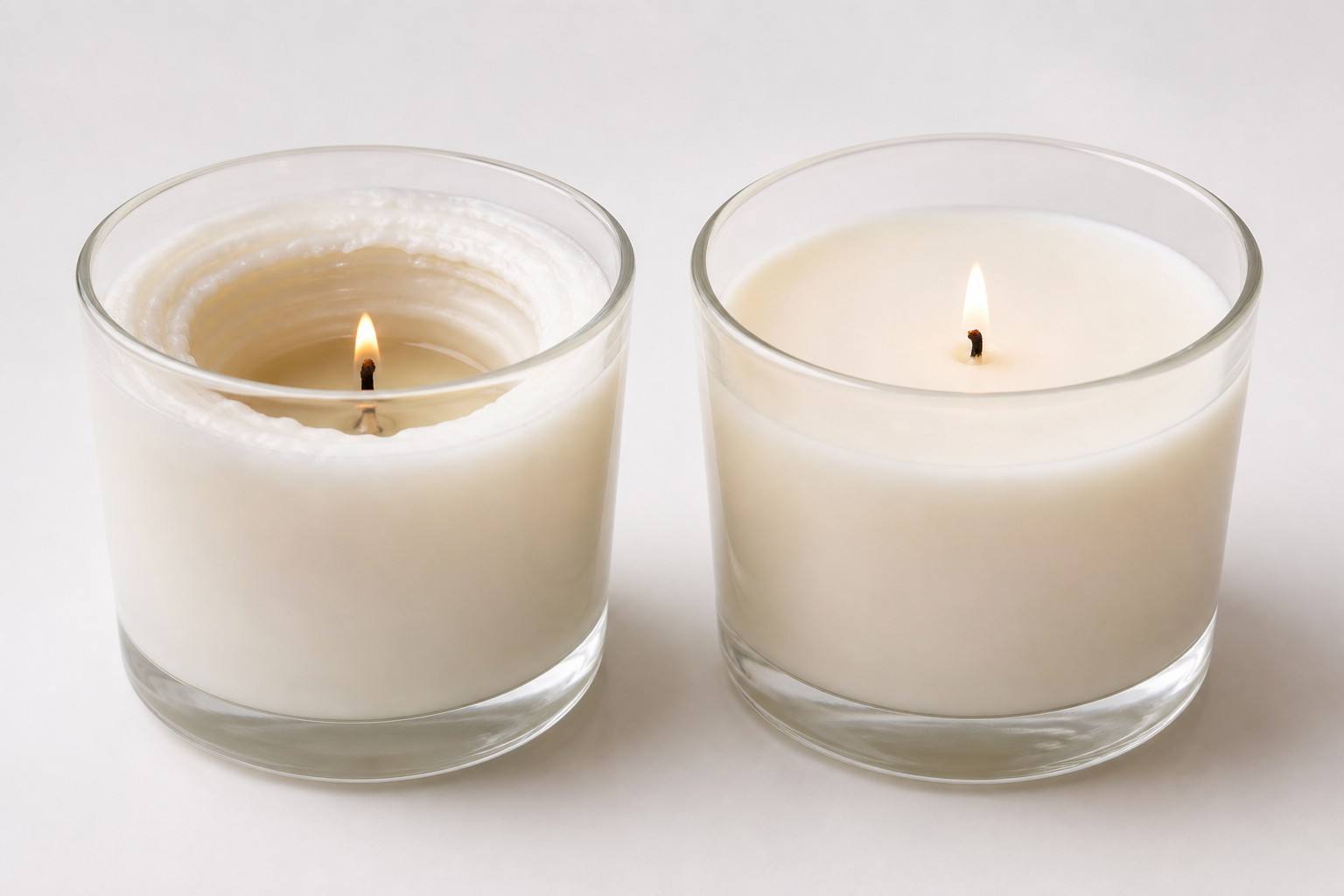
Candles possess "burn memory." The very first burn is the most critical: always allow the candle to burn continuously until the melted wax pool reaches all edges of the container (usually 2 to 3 hours). Extinguishing a candle too early leaves a hard outer ring of unmelted wax, creating a deep tunnel that shortens the candle's lifespan. Focus on establishing proper candle burn memory during early usage to maximize total burn hours.
Practice Consistent Wick Trimming
Before every lighting, trim the wick to 1/4 inch (6 mm). A trimmed wick prevents the flame from growing excessively large, reduces carbon buildup (mushrooming), eliminates smoke, and extends overall burn hours.
Ensure a Safe, Non-Toxic Environment
Always burn candles on a stable, heat-resistant surface away from curtains, ceiling fans, or open windows. Never leave an open flame unattended, and discontinue use when 1/2 inch of wax remains at the bottom of the container.
Summary
Creating high-quality scented candles is a harmonious blend of botanical chemistry and artisanal precision. By choosing pure soy wax, lead-free cotton wicks, and phthalate-free fragrances, you ensure your space is filled with clean, non toxic scented candles that support daily well-being. With careful temperature control and patient curing, you can master the craft of producing elegant, long lasting candles that deliver an enchanting aroma from the first burn to the last.
Therapeutic effects of essential oils
Which oil is best for reed diffuser
Related Article