How do reed diffusers work ?
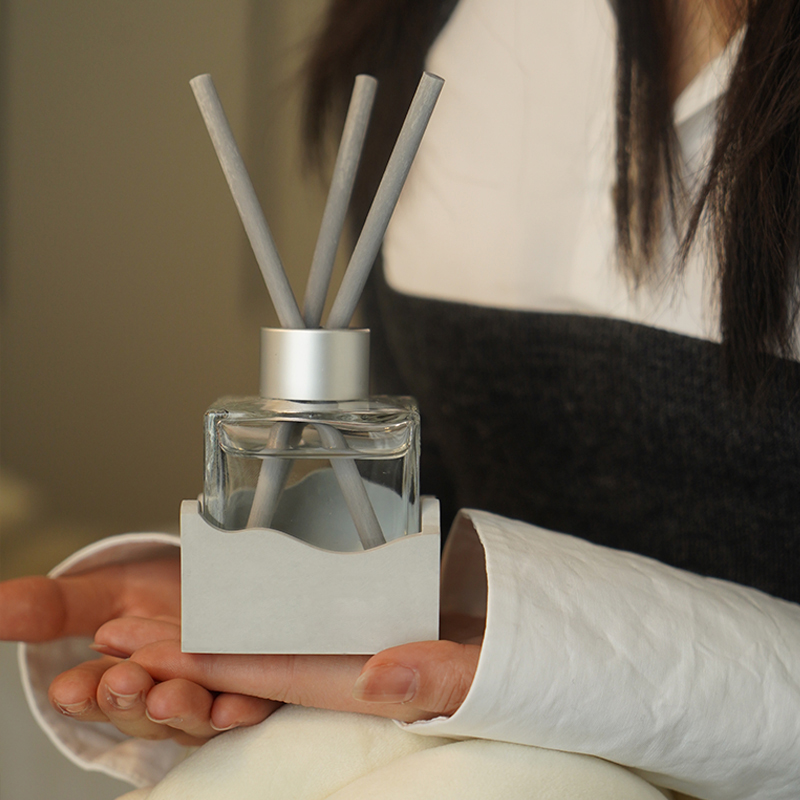
Reed diffusers have become one of the most popular home fragrance solutions on the market. They are elegant, low-maintenance, and flame-free, making them an ideal choice for households with children, pets, or simply for those who prefer a steady, subtle scent throughout the day. But if you have ever found yourself wondering—how do reed diffusers work?—you are not alone.
Understanding the mechanism behind these simple yet effective devices can help you get the most out of your purchase. Whether you are new to home fragrancing or looking to optimize your current setup, this guide will walk you through everything you need to know, from the basic science to pro tips for maximum performance.

The Basic Science: Capillary Action and Evaporation
At its core, a reed diffuser operates on two fundamental physical principles: capillary action and evaporation.
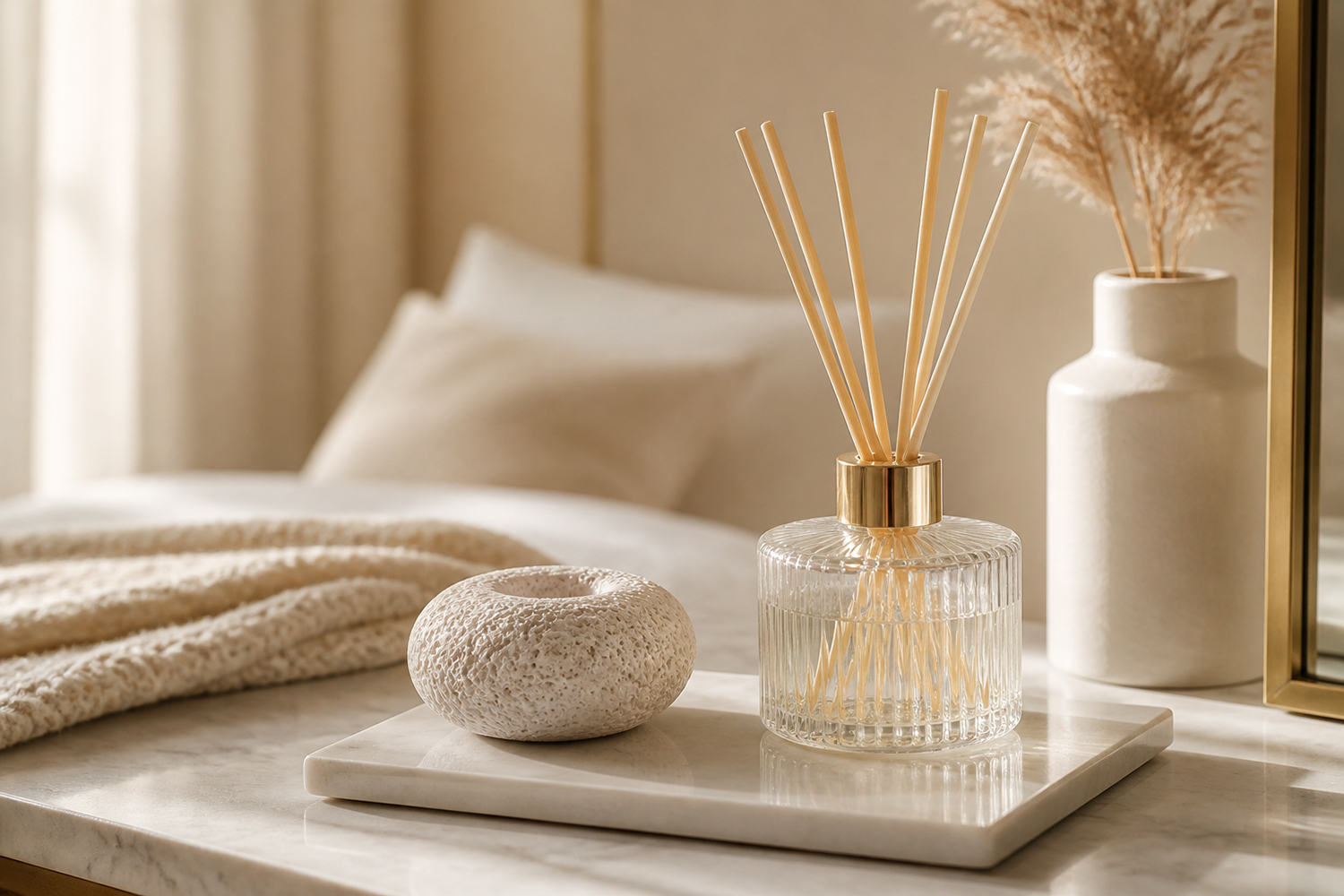
When you place the reeds—typically made from rattan or natural wood—into a bottle of fragrance oil, the liquid begins to travel up the tiny channels within the reed’s fibrous structure. This is capillary action at work. It is the same process that allows plants to draw water from their roots to their leaves.
Once the scented oil reaches the top of the reed, it interacts with the surrounding air. The oil then evaporates, releasing its fragrant molecules into the environment. This natural, continuous cycle explains exactly how does a reed diffuser work to provide a consistent, long-lasting aroma without any external heat source.
Because this process is entirely passive, it ensures that the scent is released slowly and evenly, avoiding the sharp bursts of fragrance that sometimes occur with sprays or the smoke and soot associated with candles.

Step-by-Step: How to Set Up Your Reed Diffuser for Optimal Performance
To truly understand how reed diffusers work, it is essential to look beyond the science and focus on practical application. Many users fail to experience the full potential of their diffuser simply because they skip a few critical setup steps.
1. Choose the Right Reed Sticks
Not all reed sticks are created equal. Rattan reeds are widely considered the gold standard because they are highly porous and contain natural channels that efficiently draw oil upward. For best results, look for high-quality rattan or wooden reeds that are at least 8–10 inches in length.
2. Insert and Wait
After pouring your chosen essential oil or fragrance base into the diffuser bottle, insert the reeds straight into the liquid. Resist the urge to flip them immediately. Allowing them to soak for a few hours ensures the oil saturates the entire length of the stick, establishing a stable flow.
3. The “Flip and Refresh” Routine
One of the most common questions people ask is: how often should I turn my reed sticks? The general rule of thumb is to flip them every 2 to 3 days for a fresh burst of scent. If you prefer a more subtle aroma, flipping them once a week is sufficient. Each time you flip, you expose the saturated ends to the air, temporarily increasing the evaporation rate.
4. Replace Reeds Regularly
Even high-quality reeds can become clogged with dust or oil residue over time. To maintain consistent performance, replace your reeds every 2 to 3 months. This is a crucial part of understanding how does a reed diffuser work over the long term—as reeds age, their capillary channels become less effective, reducing the scent throw.

The Perfect Placement: Where to Put Your Reed Diffuser
Placement plays a surprisingly large role in how well your diffuser performs. Even the best oil and reeds will underperform if placed in the wrong spot.
Ideal Locations
-
Airflow corridors: Hallways, entryways, or areas with gentle air circulation help the scent molecules travel further.
-
Elevated surfaces: Countertops, shelves, or mantelpieces allow the fragrance to disperse more evenly than floor-level placement.
-
Open-plan spaces: Living rooms or open kitchens benefit from the passive diffusion pattern, which fills the area gradually.
Locations to Avoid
-
Direct sunlight: UV rays can degrade both the reeds and the fragrance oil, reducing longevity.
-
Heat sources: Radiators, ovens, or sunny windowsills accelerate evaporation, causing the oil to deplete faster and potentially altering the scent profile.
-
High-traffic zones: If you place the diffuser too close to a door or busy walkway, it may get knocked over easily.
When considering how reed diffusers work in different environments, remember that they thrive in stable, moderate conditions. A well-ventilated room with average humidity is your best bet for a long-lasting, even scent throw.

Choosing High-Quality Oils and Base Liquids
The performance of your reed diffuser depends heavily on the quality of the fragrance oil and its carrier base. Cheap oils often contain synthetic additives that not only smell artificial but also evaporate unevenly, leaving behind a sticky residue that clogs your reeds.
Key Ingredients to Look For:
-
Fragrance oil with a high concentration of natural essences.
-
Carrier oil like Dipropylene Glycol (DPG) or Isopar M, which ensures the fragrance evaporates at a steady rate.
-
Alcohol-free formulas, as alcohol can cause the scent to dissipate too quickly and irritate sensitive noses.
By investing in premium oils, you directly enhance the mechanism of how does a reed diffuser work at a molecular level, allowing for a cleaner, more nuanced aroma.

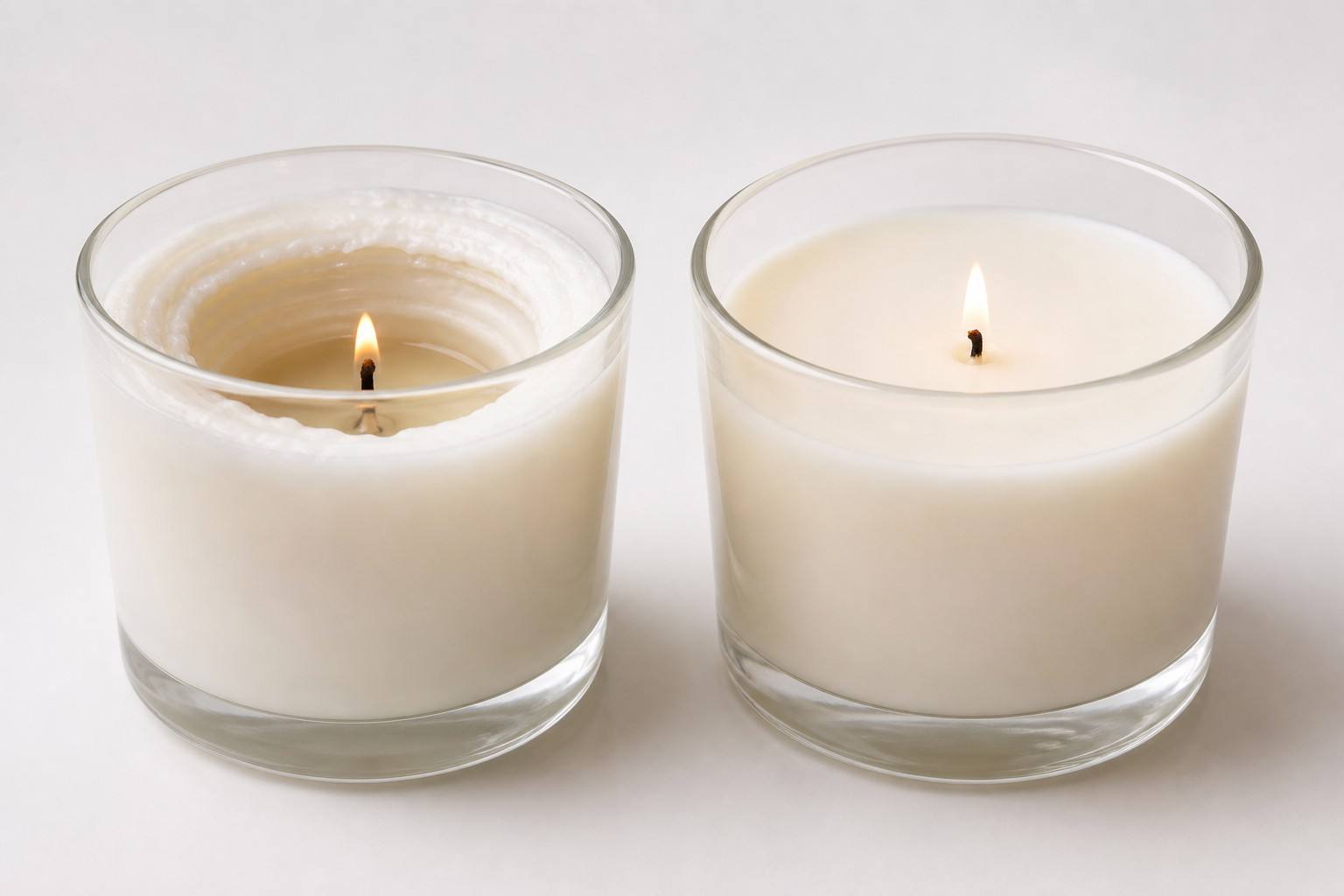
Why Choose Reed Diffusers Over Candles or Sprays?
Reed diffusers offer several distinct advantages that make them a preferred choice for many households and offices.
| Feature | Reed Diffuser | Candle | Spray/Aerosol |
|---|---|---|---|
| Flame-free | ✅ Yes | ❌ No | ✅ Yes |
| Continuous scent | ✅ Yes (24/7) | ❌ No (on/off) | ❌ No (intermittent) |
| Maintenance | Low (flip reeds) | Medium (trim wicks) | Low |
| Safety | Very safe | Fire hazard | Safe (but chemical concerns) |
| Aesthetic value | High (decorative) | Medium | Low |
Understanding reed diffuser how it works also means appreciating its reliability. You never have to worry about forgetting to blow it out before leaving home, and it doesn’t require electricity or batteries. It is truly a set-and-forget solution.

Troubleshooting Common Issues
Even with perfect setup, you might occasionally run into performance issues. Here is how to address them:
Problem: No Scent After 24 Hours
Solution: Flip the reeds immediately. If the issue persists, check the oil level. Sometimes, the reeds simply need a “kickstart” to initiate capillary action.
Problem: Scent Too Strong or Overpowering
Solution: Remove one or two reeds. Reducing the number of sticks slows down the evaporation rate, making the scent subtler.
Problem: Oil Turning Cloudy or Discolored
Solution: This is often a sign of expired oil or a contaminated carrier. Replace the liquid and use fresh reeds to prevent clogs.
Problem: Reeds Are Dry Even When the Bottle Is Half Full
Solution: Flip the reeds more frequently or move the diffuser to a slightly more humid area. Low humidity can slow evaporation.
How Long Does a Reed Diffuser Last?
One of the most frequent queries related to how does a reed diffuser work is about its lifespan. Under normal conditions, a standard 100ml reed diffuser can last anywhere from 2 to 4 months. This depends on several factors:
-
Number of reeds used: More reeds = faster evaporation.
-
Frequency of flipping: More frequent flips = stronger but shorter life.
-
Room temperature and airflow: Warmer, breezier rooms accelerate evaporation.
To maximize longevity, flip only half the reeds at a time or reduce the number of reeds from 8 to 6. This simple adjustment can extend your diffuser’s life by weeks.
Pro Tips for Maximizing Fragrance Throw
If you truly want to master how reed diffusers work and extract every bit of performance, consider these expert strategies:
-
Rotate the bottle direction occasionally to expose a new angle to airflow.
-
Use smaller rooms for smaller diffusers; don’t overpower a large living area with a compact unit.
-
Layer scents by placing two diffusers with complementary fragrances (e.g., vanilla and sandalwood) at opposite ends of a room.
-
Refresh the oil before the bottle is completely empty—topping up with a compatible scent prevents the old oil from becoming stale.
Final Thoughts: Embrace the Simplicity
Reed diffusers are a beautiful example of how simple physics can elevate everyday life. By understanding how does a reed diffuser work, you stop guessing and start enjoying a consistently fragrant home or workspace. From the initial capillary draw to the gentle release of scent through evaporation, every step is designed to be effortless yet effective.
Whether you are looking to create a calming bedroom retreat, a welcoming entryway, or a focus-enhancing office atmosphere, a well-maintained reed diffuser delivers on all fronts. And now that you know how to choose, place, and maintain yours, you’re equipped to get the best possible results.
So the next time someone asks you how do reed diffusers work?, you can confidently explain the science—and share a few insider tips to help them enjoy their diffuser to the fullest.
Are reed diffusers safe for dogs
scent stones for cars
Related Article