Are soy candles non toxic
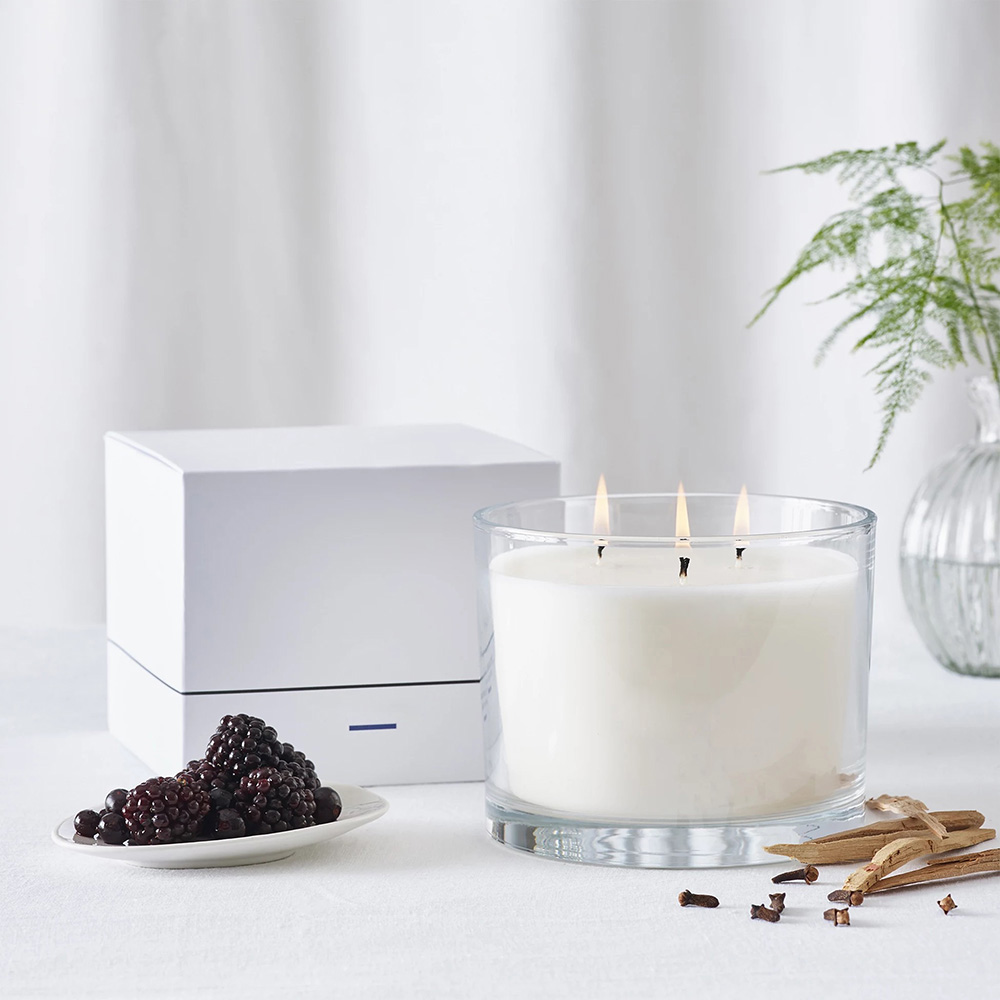
Are Soy Candles Non-Toxic?
Introduction
Candles have been used for centuries for lighting, ambiance, and aromatherapy. However, with growing concerns about indoor air quality and health, many consumers are questioning the safety of traditional paraffin wax candles. Soy candles have emerged as a popular alternative, often marketed as a "non-toxic" and eco-friendly option. But are soy candles truly non-toxic? This article explores the composition of soy candles, their potential health and environmental impacts, and how they compare to other types of candles.
What Are Soy Candles Made Of?
Soy candles are primarily made from soybean oil, which is hydrogenated to create a solid wax. Unlike paraffin wax, which is derived from petroleum, soy wax is a renewable resource. However, not all soy candles are 100% pure soy wax—many contain blends with other waxes (such as coconut or beeswax) and additives to improve burn quality.
Key components of soy candles include:
-
Soy Wax – The base ingredient, usually mixed with other natural waxes.
-
Wicks – Ideally made from cotton or wood, but some may contain metal cores.
-
Fragrance Oils – Synthetic or essential oils for scent.
-
Dyes – Some soy candles use natural colorants, while others may contain synthetic dyes.
Potential Toxicity Concerns
While soy candles are generally considered safer than paraffin candles, several factors determine their overall toxicity:
1. Wick Composition
-
Cotton or Wood Wicks – These are the safest options, as they burn cleanly without releasing heavy metals.
-
Lead or Metal-Core Wicks – Banned in many countries but still found in some cheap candles. These can release toxic lead fumes when burned.
2. Fragrance Oils
-
Many scented candles, including soy ones, use synthetic fragrances that may release volatile organic compounds (VOCs) like benzene and formaldehyde.
-
Phthalates, often used to enhance fragrance longevity, are endocrine disruptors linked to health risks.
-
Essential Oil-Based Scents – A safer alternative, though some oils can be irritating when burned.
3. Additives and Dyes
-
Some soy candles contain chemical hardeners or petroleum-based additives to improve texture.
-
Artificial dyes may introduce unnecessary chemicals into the air when burned.
4. Soy Wax Purity
-
100% Soy Wax – The cleanest option, with minimal soot and no petroleum byproducts.
-
Blended Waxes – Some soy candles mix paraffin or palm wax, which can reduce their eco-friendliness and increase toxin release.
Soy Candles vs. Other Candle Types
1. Paraffin Candles
-
Made from petroleum byproducts.
-
Release benzene, toluene, and soot when burned, which are linked to respiratory issues and cancer risk.
-
More likely to contain synthetic additives and cheaper, potentially toxic wicks.
2. Beeswax Candles
-
Naturally non-toxic and emit negative ions that may improve air quality.
-
More expensive but burn longer and cleaner than soy or paraffin.
-
Vegan concerns (not suitable for those avoiding animal products).
3. Coconut Wax Candles
-
Similar benefits to soy wax but often more expensive.
-
Clean-burning with excellent scent throw.
4. Palm Wax Candles
-
Controversial due to deforestation concerns.
-
Some blends may contain paraffin.
Are Soy Candles Truly Non-Toxic?
The answer depends on their composition:
✅ Non-Toxic If:
-
Made with 100% natural soy wax.
-
Use cotton or wooden wicks (no metal cores).
-
Phthalate-free, essential oil-based fragrances or no added scents.
-
No artificial dyes or harmful additives.
❌ Potentially Toxic If:
-
Contain paraffin blends or synthetic additives.
-
Use lead-core wicks or artificial fragrances.
-
Include petroleum-based stabilizers or chemical hardeners.
Benefits of Soy Candles
-
Lower Soot Production – Unlike paraffin, soy wax burns cleaner with minimal black soot.
-
Renewable & Biodegradable – Soy is a sustainable crop (when sourced responsibly).
-
Longer Burn Time – Soy wax has a lower melting point, leading to slower, more even burns.
-
Better Scent Distribution – Pure soy wax holds and releases fragrance effectively.
How to Choose the Safest Soy Candles
To ensure you’re buying a truly non-toxic soy candle:
✔ Check the Label – Look for "100% soy wax" or "all-natural."
✔ Avoid "Fragrance" or "Parfum" – These terms often hide phthalates.
✔ Choose Cotton or Wood Wicks – Ensure no metal is present.
Conclusion
Soy candles are generally a safer, more eco-friendly alternative to paraffin candles—but not all soy candles are non-toxic. The presence of synthetic fragrances, metal wicks, or chemical additives can undermine their safety. To ensure you’re choosing a truly non-toxic option, opt for candles made with pure soy wax, natural wicks, and essential oil-based scents. By making informed choices, you can enjoy the ambiance of candles without compromising your health or indoor air quality.
Do you need non-toxic soy candles? Feel free to contact us!
How to Make Fragrance Oil
Can I Wash Aroma Stone? A Comprehensive Guide
Related Article