What is a Reed Diffuser?
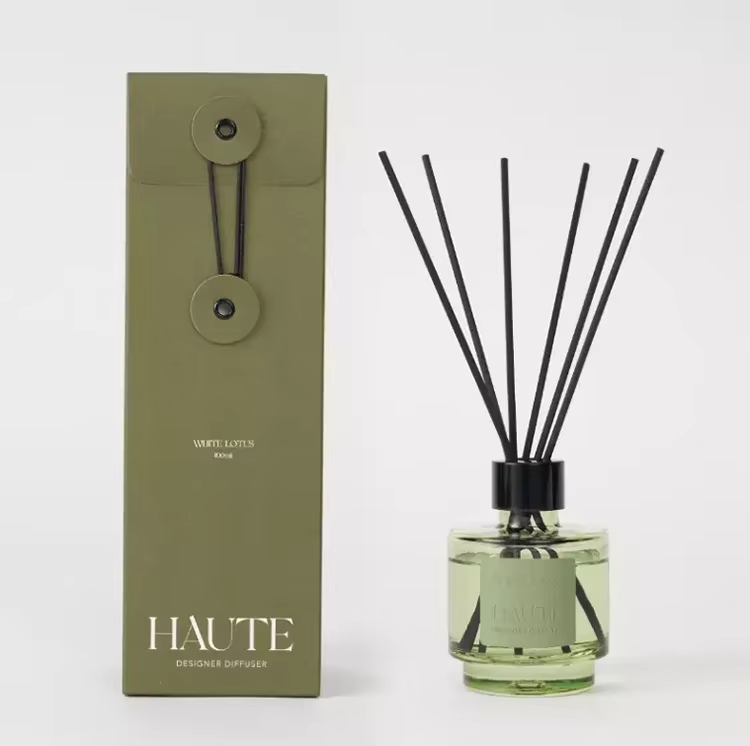
What is a Reed Diffuser?
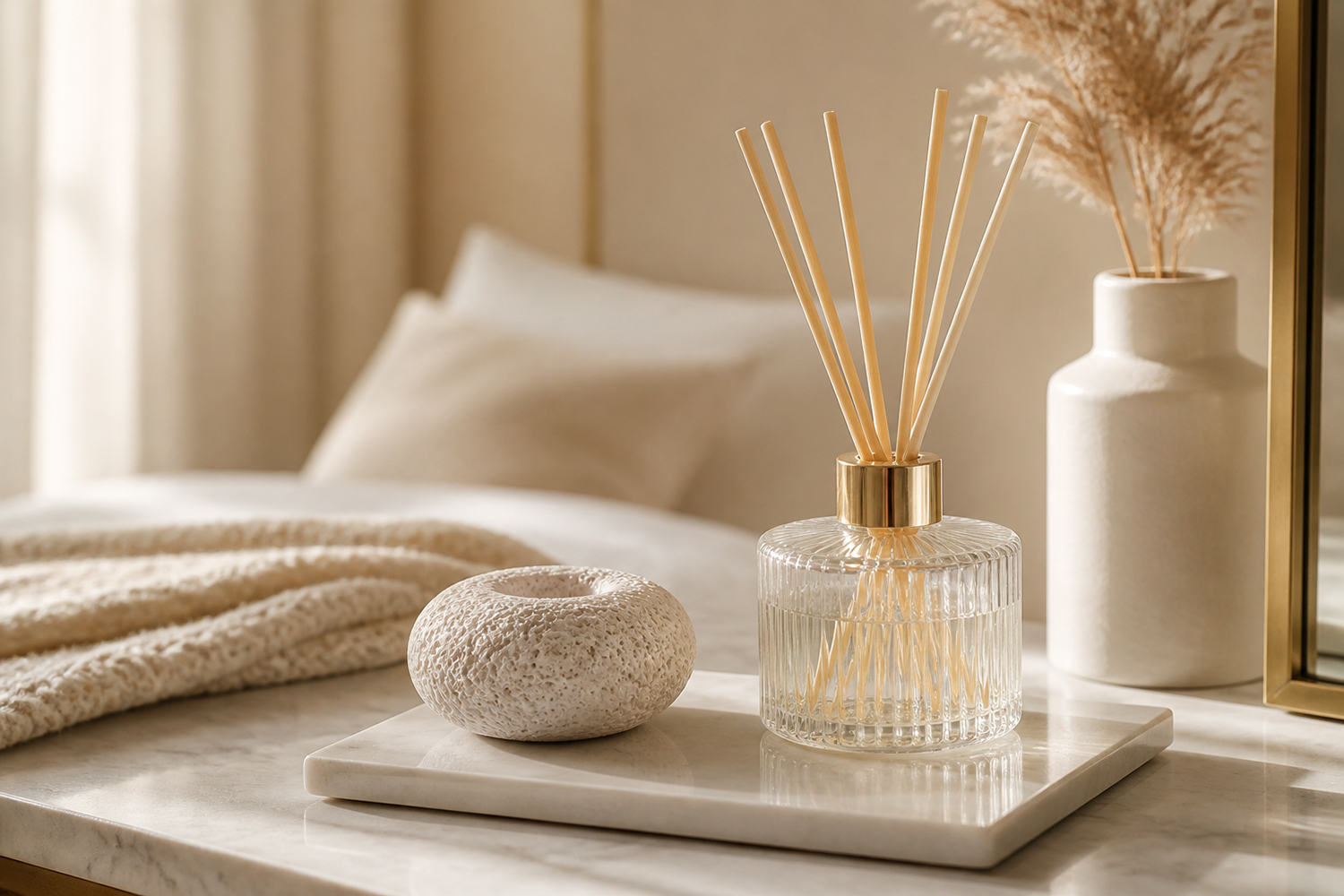
In the world of home fragrance, few creations offer the seamless blend of elegance, simplicity, and enduring aroma quite like the reed diffuser. A reed diffuser is a passive, flameless system for dispersing fragrance into an indoor space. It operates on the simple, timeless principle of capillary action, providing a continuous and consistent scent experience without the need for heat, electricity, or an open flame. More than just an air freshener, it is a staple of modern home decor, wellness routines, and ambient design, prized for its safety, low maintenance, and aesthetic versatility.

The Anatomy of a Reed Diffuser
To understand how a reed diffuser works, one must first know its fundamental components. A typical reed diffuser consists of three essential parts:
-
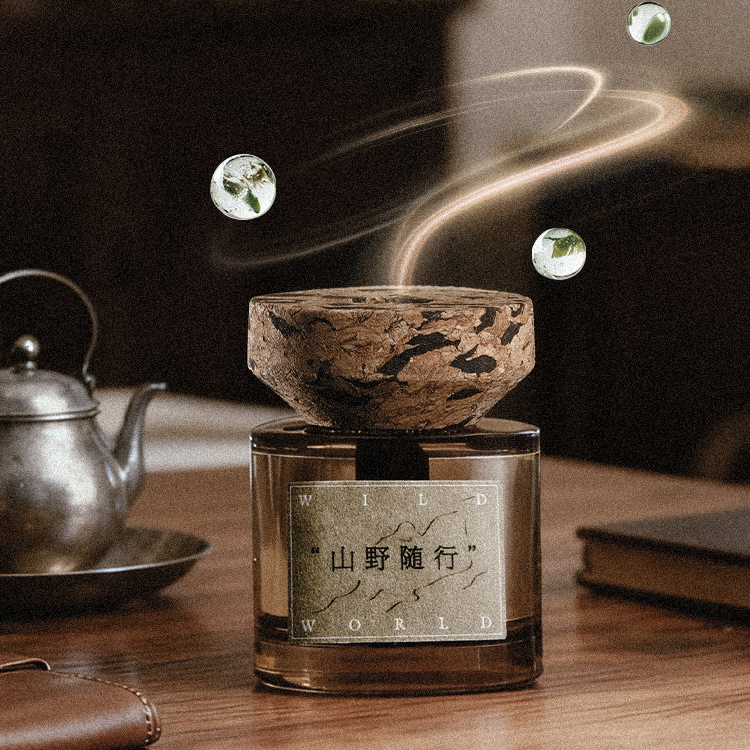
The Vessel: This is the bottle or container that holds the fragrance liquid. It is often designed to be decorative, complementing interior styles from minimalist glass to artisanal ceramic. The vessel’s neck is typically narrow to reduce evaporation and provide a stable hold for the reeds.
-
The Fragrance Liquid (or Diffuser Oil): This is the heart of the system. It is not a simple essential oil but a carefully blended mixture. The liquid primarily consists of:
-
Fragrance Oil: A concentrated scent, which can be synthetic, natural (like essential oils), or a blend of both.
-
Solvent/Carrier Oil: A light, odourless oil (such as dipropylene glycol, mineral oil, or a specialised fractionated coconut oil) that acts as a carrier. It is thin enough to travel up the reeds effectively.
-
Fixatives: Sometimes added to help moderate the rate of evaporation and stabilize the scent for longer-lasting performance.
-
-
The Reeds: These are porous, fibrous sticks, traditionally made from rattan (a type of natural palm). Their microstructure is filled with tiny channels that act like capillaries. Rattan reeds are ideal because they are naturally absorbent and have a consistent, pith-free structure. Alternatives include synthetic reeds, which can offer different decorative finishes, or bamboo, though these are generally less porous.

The Science of Scent: How It Works
The magic of the reed diffuser lies in its effortless operation, governed by physics. The process is called capillary action or wicking. When the dry reeds are placed into the bottle of fragrance liquid, the liquid immediately begins to be absorbed into the reeds’ microscopic tubes. It slowly travels upwards through these channels, against gravity, until it reaches the top of the reed.
Once the saturated liquid reaches the exposed end of the reed, it evaporates into the air, releasing the fragrance molecules. This creates a gentle, constant diffusion of scent. The rate of diffusion is influenced by several factors: the number of reeds used, the thickness of the reeds, the density of the liquid, room temperature, air circulation, and humidity. Warmer rooms with good airflow will result in a stronger scent throw, while cooler, still spaces will yield a more subtle effect.

Why Choose a Reed Diffuser? Advantages and Considerations
Reed diffusers have surged in popularity for a compelling set of reasons:
-
Safety First: With no flame, heat, or electricity required, they are the safest option for continuous fragrance. They can be left unattended without risk, making them perfect for bedrooms, children’s rooms, offices, and spaces where candles are prohibited.
-
Low Maintenance & Continuous Scent: Once set up, they work 24/7 with no intervention. There’s no need to turn them on or off. They provide an unwavering background scent that never fluctuates in intensity.
-
Aesthetic and Ambiance: They are silent, motionless, and often beautiful objects in their own right. They add to a room’s decor without the theatricality of a flickering flame, fitting into serene, minimalist, or sophisticated settings.
-
No Residue or Soot: Unlike candles or plug-in diffusers that can release soot or oily residues, reed diffusers evaporate cleanly, making them better for indoor air quality and easier on walls and surfaces.
-
Energy Efficient: They require no power source, operating solely on natural physical principles.
However, a few considerations are worth noting:
-
Subtlety: They provide a subtle, zone-specific fragrance rather than filling an entire large, open-plan home.
-
Regular Care: Reeds can become clogged with dust or saturated over time. Flipping them every week or so (using a piece of paper to avoid direct contact with oil) refreshes the scent flow. Reeds should be replaced every 2-3 months, and the liquid will eventually evaporate completely.
-
Placement Matters: They should be placed on a stable, level surface away from direct sunlight, drafts, and high-traffic areas to prevent spills and ensure even diffusion.
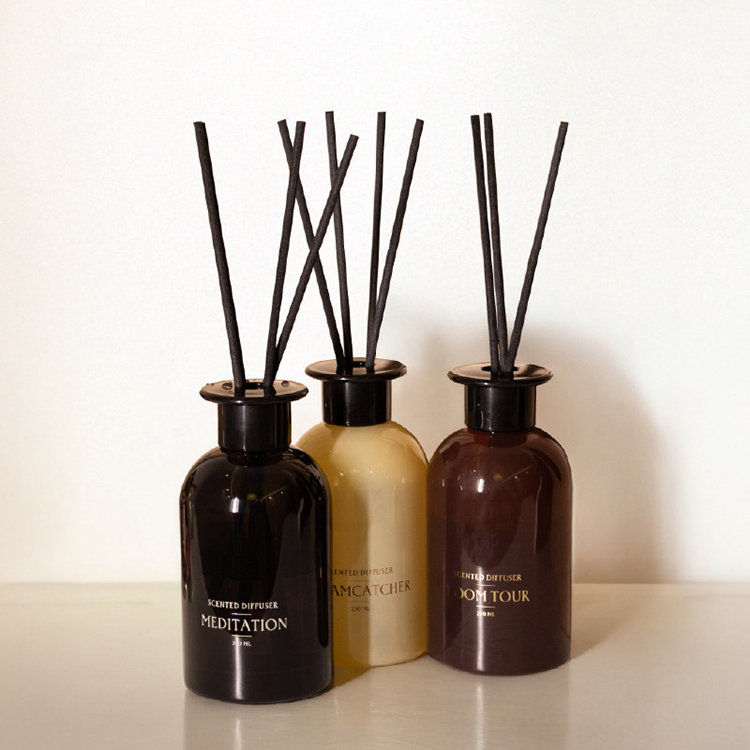
Reed Diffusers vs. Other Home Fragrance Methods
-
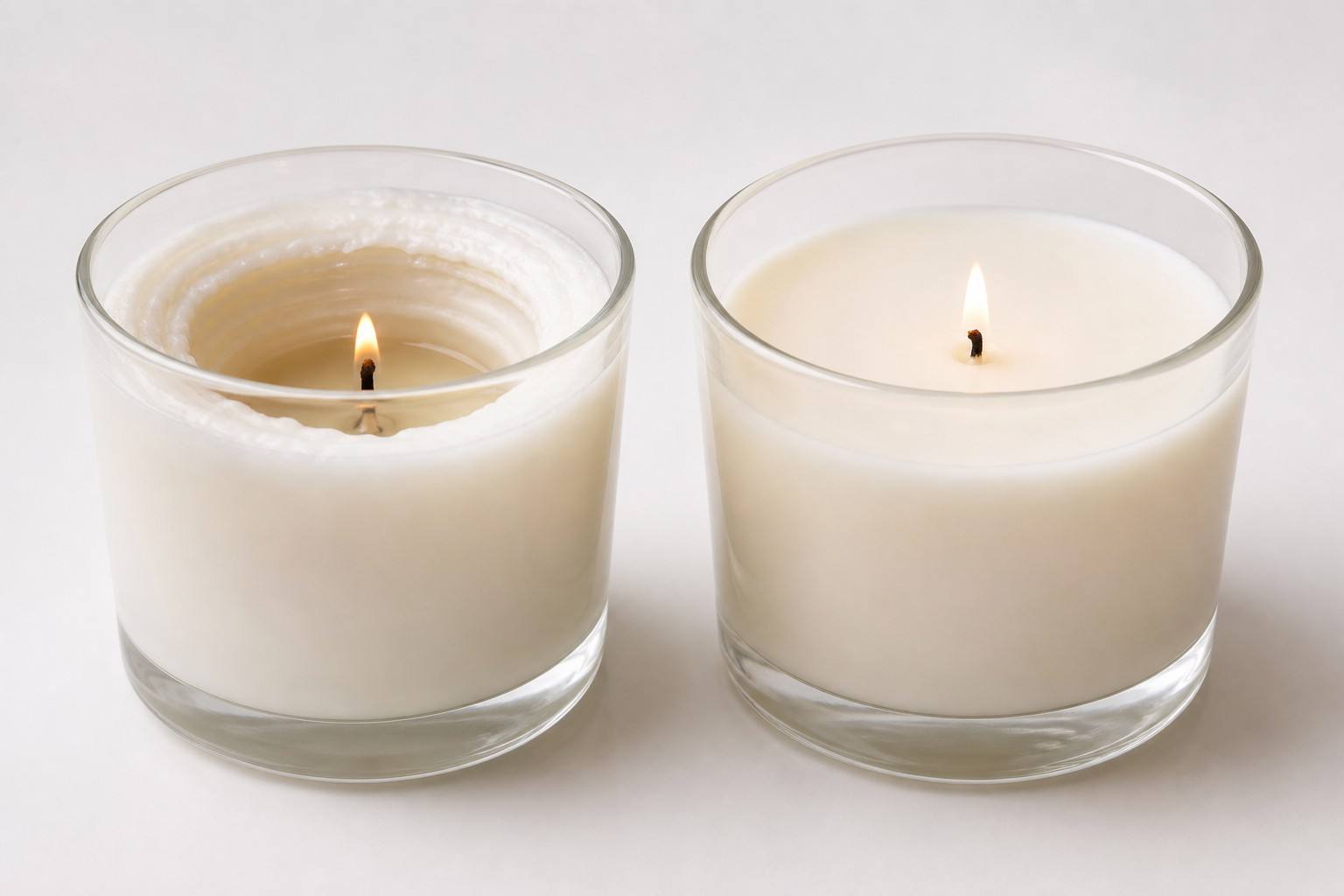
Candles: Candles offer a ritualistic, multi-sensory experience with flame and light but are intermittent (burn for limited times), pose fire risks, require trimming, and can tunnel or soot. Diffusers are the constant, safe counterpart.
-
Electric/Plug-in Diffusers: These use heat or fans to disperse scent, often more powerfully. However, they consume electricity, can be visually intrusive, and may use proprietary refills. Reed diffusers are more decorative and cord-free.
-
Room Sprays & Mists: These provide an immediate, powerful burst of scent but fade quickly. Diffusers are for maintaining a permanent baseline aroma.
-
Ultrasonic/Humidifying Diffusers: Primarily used for essential oils and adding moisture to the air, these run in cycles and require water and electricity. Reed diffusers are purely for fragrance and need no power.
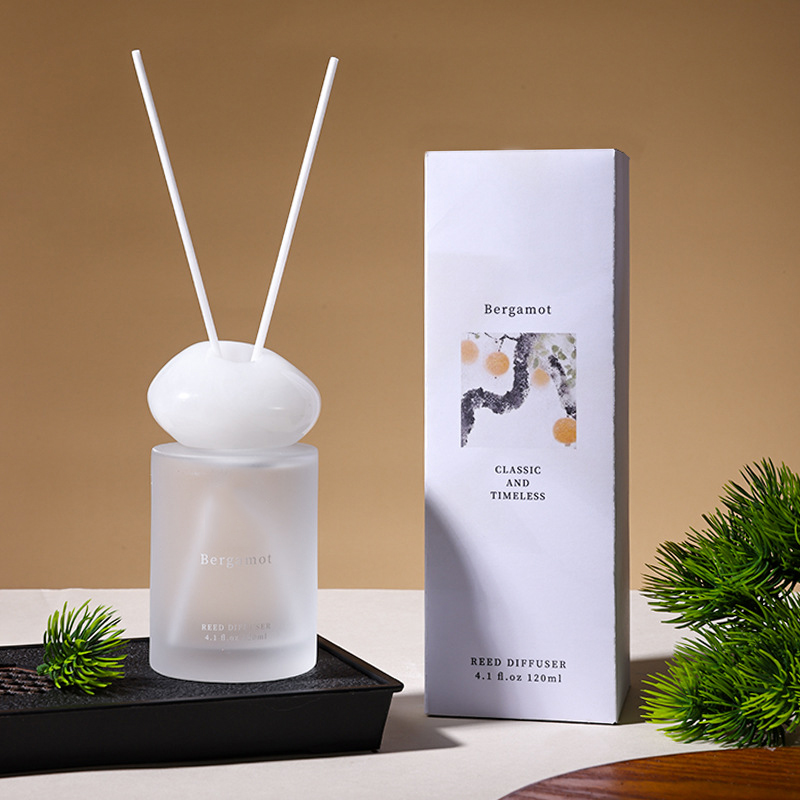
Choosing and Using Your Reed Diffuser for Maximum Effect
Selecting the right diffuser enhances your experience. Choose a vessel that reflects your style. For the fragrance, consider the room’s function: invigorating citrus for kitchens, calming lavender or linen for bedrooms, warm vanilla or sandalwood for living areas. Quality matters—a well-blended liquid from a reputable brand will diffuse more evenly and last longer than an overly thin, alcohol-based product.
For setup, start by placing 5-7 reeds in the bottle. For a stronger scent, add more reeds. To initiate the flow, flip the reeds after an hour so the saturated ends are now in the air. Always flip reeds over a paper towel to prevent drips. Place your diffuser in a central, well-trafficked area like an entryway table or a bathroom counter for the best effect. Remember to flip the reeds weekly to rejuvenate the scent and replace the entire set when the fragrance weakens or the reeds look dusty.

The Art and Personal Touch
Today, reed diffusers transcend mere function. They are an expression of personal taste and style. The vessel can be a work of art, the fragrance a bespoke blend that tells a story, and the reeds a decorative accent with coloured tips or unique textures. This opens the door to the world of customisation, where a diffuser can be perfectly tailored to an individual’s aesthetic and olfactory desires. If you wish to customize a truly unique reed diffuser, whether it's the bottle, the fragrance oil, or the reeds, we offer comprehensive customization services. Please feel free to inquire for more details.
Hidden Benefits of Aroma Stones You Didn't Know
How long do scented candles last?
Related Article