Is Your Room Spray Safe for Cats? Best Non-Toxic Alternatives for Pet Owners
Is Your Room Spray Safe for Cats? Best Non-Toxic Alternatives for Pet Owners
Every cat owner knows the struggle: you want your living room to smell like a fresh spring meadow or a cozy vanilla sanctuary, but your feline friend is constantly sniffing the air with skepticism. As obligate carnivores with highly sensitive respiratory systems and unique liver metabolisms, cats interact with the environment differently than humans do.
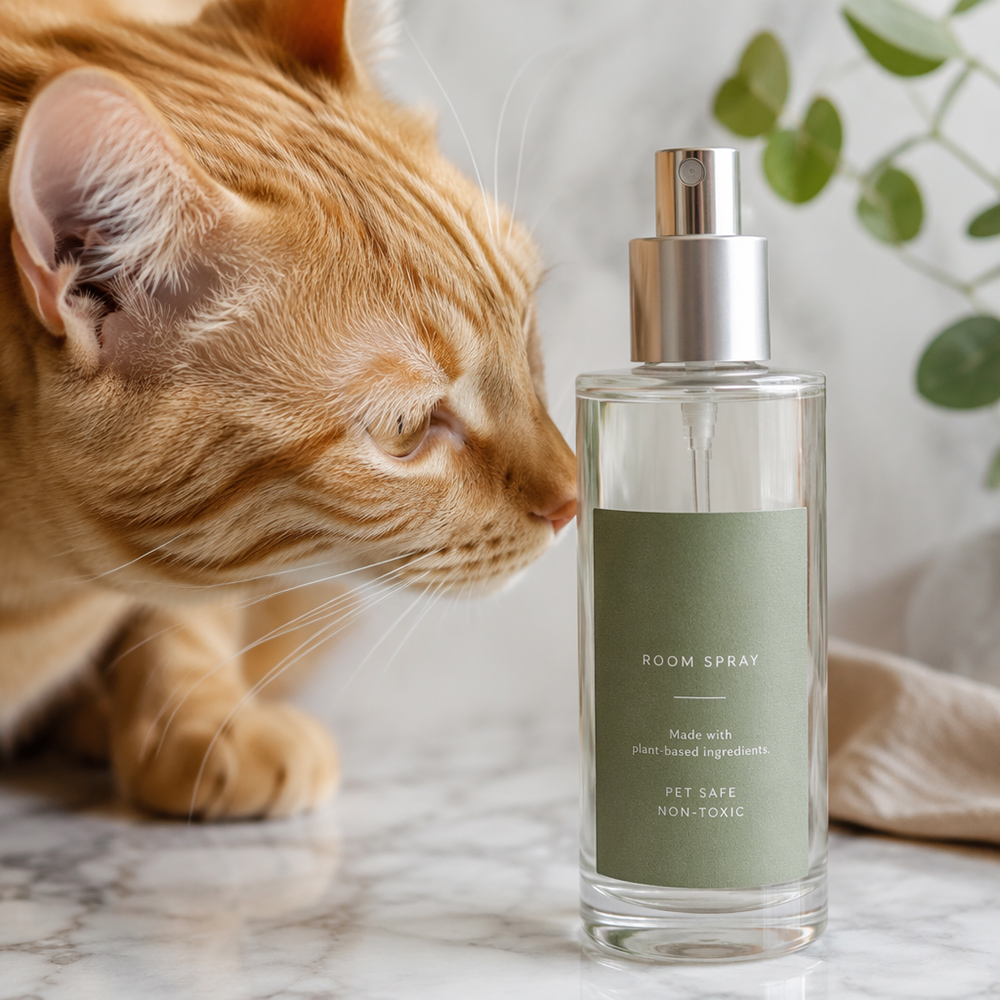
If you’ve been wondering, "Is my favorite air freshener hurting my cat?" you aren't alone. Many traditional home fragrances contain Volatile Organic Compounds (VOCs), phthalates, and specific essential oils that are literally toxic to felines. This guide will walk you through the science of feline sensitivity, identify scents safe for cats, and help you choose the best cat safe room spray to keep your home smelling divine without compromise.

Why Most Traditional Room Sprays Are Risky for Cats
Unlike humans or even dogs, cats lack certain liver enzymes (specifically glucuronyltransferase) required to break down various compounds found in synthetic fragrances and essential oils. When you use a standard aerosol, the particles don't just stay in the air; they land on your cat’s fur. Because cats are meticulous self-groomers, they end up ingesting these chemicals.
Furthermore, a cat's sense of smell is roughly 14 times stronger than ours. What seems like a "subtle scent" to you can be an overwhelming sensory assault for them. Exposure to toxic ingredients can lead to watery eyes, coughing, lethargy, or in severe cases, liver failure and neurological distress. To prevent this, transitioning to a non toxic room spray is the most responsible step a pet parent can take.

Scents Safe for Cats: The Green List
The good news is that you don't have to live in a scent-free void. Certain botanical extracts and natural aromas are generally considered safe when used in moderation and properly diluted. If you are looking for a pet safe home air freshener, prioritize these cat-friendly notes:
- Lavender (High Quality & Diluted): Known for its calming properties, pure lavender is generally safe, provided it is not highly concentrated or combined with synthetic carriers.
- Valerian: While it might make humans sleepy, it often has a "catnip-like" effect on cats and is perfectly non-toxic.
- Frankincense: A woody, earthy scent that is often used in high-end aromatherapy and is considered safe for most pets.
- Cedarwood (Atlas or Texas): Unlike some other pines, true Cedarwood is a safe way to bring a "forest" vibe into your home.
- Copaiba: Often used for its mild, balsamic aroma, it is one of the gentlest oils for animals.

Toxic Aromas: What to Avoid at All Costs
When scanning labels for your next cat safe room spray, be on high alert for these specific "Red Flag" ingredients. Even in small amounts, these can be hazardous:
- Tea Tree (Melaleuca): Extremely toxic to cats.
- Citrus Oils (Lemon, Lime, Orange): Contains d-limonene, which causes skin irritation and toxicity.
- Peppermint & Spearmint: Can cause respiratory distress.
- Cinnamon & Clove: High in phenols that cats cannot process.
- Eucalyptus: Known to cause salivation and vomiting in felines.
Features of a True Cat Safe Room Spray
Not all products labeled "natural" are pet-friendly. To identify a high-quality non toxic room spray, look for these three pillars of safety:
1. Water-Based vs. Alcohol-Based
Many commercial sprays use high concentrations of ethanol or isopropyl alcohol as a carrier. These can irritate a cat’s lungs. Opt for water-based mists that use natural emulsifiers.
2. Transparency in Fragrance Disclosure
"Fragrance" or "Parfum" is a legal loophole where companies hide hundreds of chemicals, including phthalates (hormone disruptors). Choose brands that explicitly list every ingredient, ensuring they use scents safe for cats.
3. Phthalate-Free and Paraben-Free
Phthalates help scents last longer, but they are linked to respiratory issues in pets. A dedicated pet safe home air freshener will always be phthalate-free.

Best Non-Toxic Alternatives for a Fresh Home
If you want to move away from traditional sprays entirely, consider these effective, pet-safe alternatives:
Natural Odor Absorbers
Sometimes the best "scent" is no scent at all. Using activated charcoal bags or bowls of baking soda (placed where the cat cannot reach) can neutralize litter box odors and kitchen smells naturally.
Simmer Pots
Create a "natural room spray" by simmering cat-safe ingredients on the stove. Slices of apples, a sprig of rosemary, and a dash of vanilla extract in a pot of water can fill your home with a warm aroma that is 100% safe.
High-Quality Air Purifiers
Investing in an air purifier with a HEPA filter and an activated carbon layer is the gold standard for pet owners. It removes dander, dust, and odors from the air without adding any chemical load to your cat’s environment.
Safety Tips for Using Home Fragrance Around Pets
Even when using a cat safe room spray, follow these best practices to ensure total peace of mind:
- Ventilation is Key: Always crack a window or keep an interior door open. If the scent is too much for the cat, they need a way to leave the room.
- Avoid "Direct Hits": Never spray near your cat’s bed, food bowl, or the cat themselves. Aim high into the air in areas the cat doesn't frequent.
- Observe Behavior: If your cat starts squinting, grooming excessively, or sneezing after you use a spray, stop immediately. Each cat is an individual and may have unique sensitivities.
FAQ: Common Questions from Pet Parents
Is Febreze safe for cats?
While many modern formulations are marketed as safe, some contain zinc salts and propellants that can be irritating. Always check the specific "Pet" version and use it sparingly.
Can I use a diffuser instead of a spray?
Diffusers (especially ultrasonic ones) release micro-droplets of oil that can land on fur. Sprays are often easier to control in terms of location and concentration.
What is the most "cat-safe" way to scent a room?
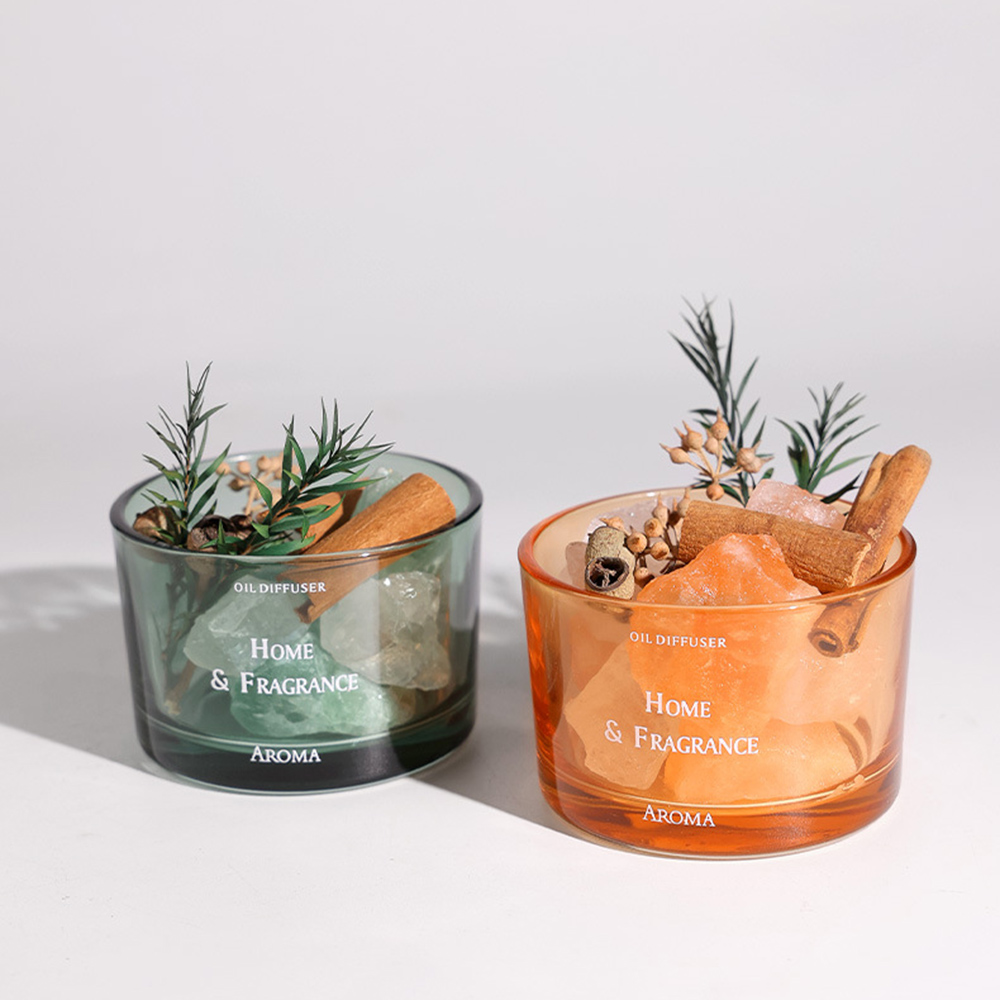
Passive scenting, such as using an aroma stone or a very light non toxic room spray in a well-ventilated area, is generally the safest method.

Conclusion: Balancing Feline Health and Home Fragrance
Creating a sanctuary for yourself shouldn't come at the cost of your cat’s well-being. By switching to a cat safe room spray and educating yourself on scents safe for cats, you can enjoy a beautifully scented home while protecting your furry companion.
Remember, the best pet safe home air freshener is one that prioritizes simple, clean ingredients and respects the unique biology of your cat. When in doubt, "less is more." Focus on high-quality, non-toxic alternatives, and your cat will thank you with plenty of purrs and healthy snuggles.
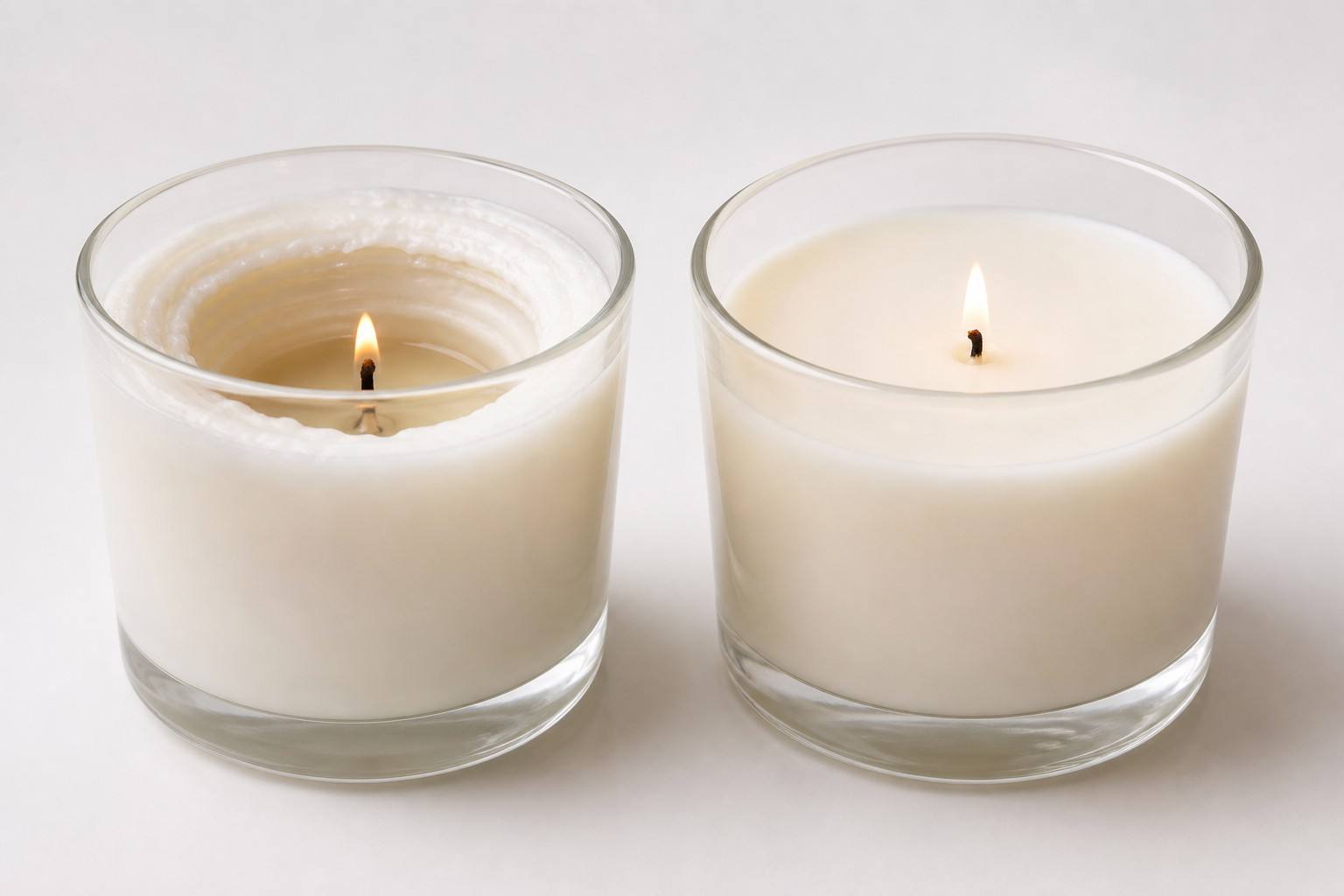
Why Does My Candle Tunnel? Causes, Fixes, and Prevention
How to Clean Candle Jars: Freezer vs. Boiling Water
Related Article