How to Layer Fragrances for a Unique Scented Candle?
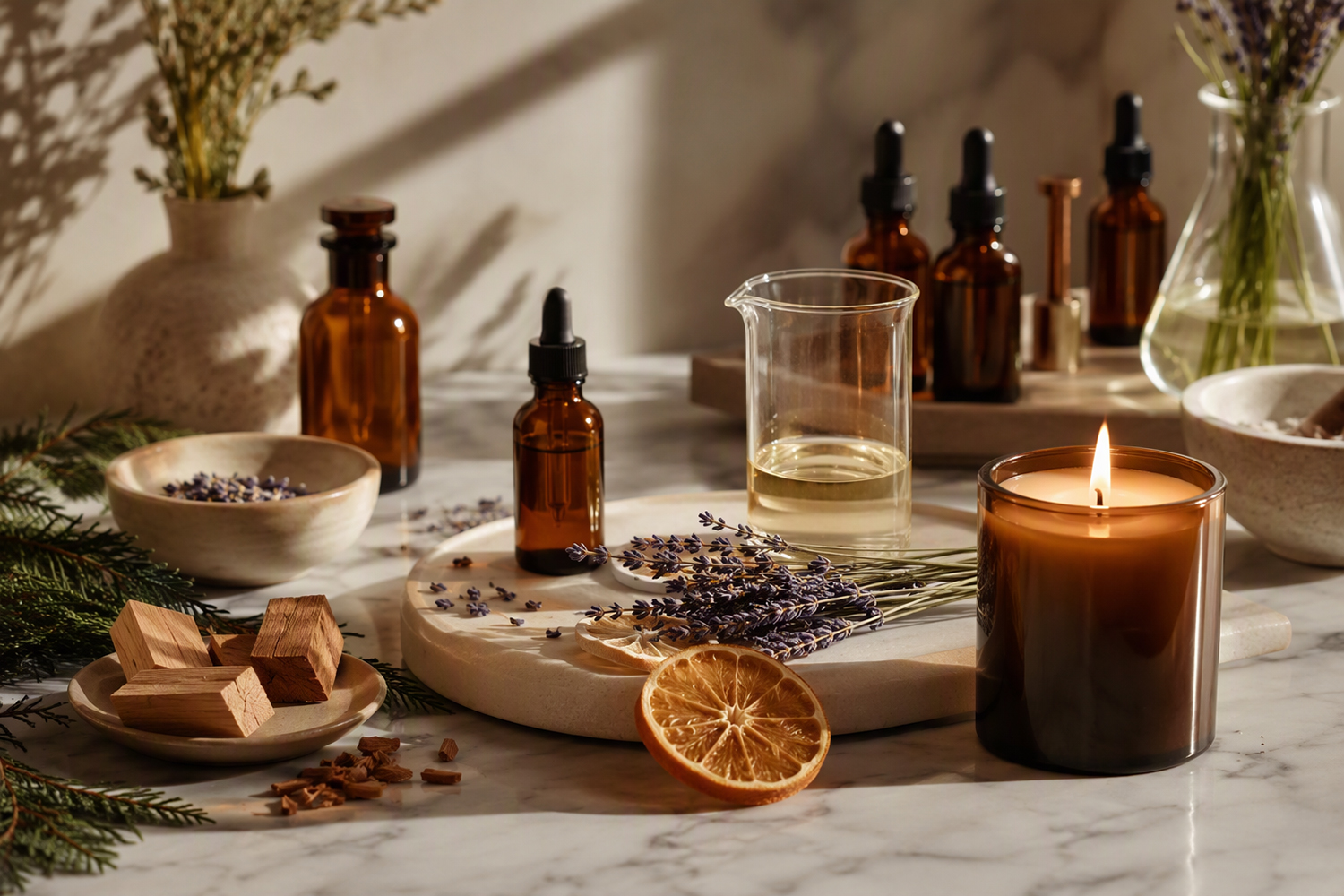
How to Layer Fragrances for a Unique Scented Candle?
Creating a distinctive olfactory ambiance begins with a simple question: how to layer fragrances for a unique scented candle? While single-note aromas offer comforting familiarity, mastering the delicate craft of fragrance layering allows you to design rich, multi-dimensional candle scents that transform ordinary spaces into sensory sanctuaries. Whether you are blending custom aromas for personal relaxation or curating your signature interior mood, understanding fragrance architecture is the secret behind the best scented candles for home enjoyment.
This comprehensive guide explores the science of olfaction, the fragrance pyramid, harmonizing principles, exact blending ratios, and foolproof formulas to help you craft your own signature candle aroma.
What Is Scent Layering in Candle Making?
Scent layering (or fragrance blending) is the process of combining two or more complementary fragrance oils or botanical extracts within a wax medium to form a balanced, multi-tiered aromatic profile. Rather than creating a chaotic olfactory mix, deliberate fragrance layering relies on varying molecular weights and evaporation rates—categorized into top, middle, and base notes.
When properly formulated, this layered architecture ensures the candle releases different aromatic nuances as it melts, delivering a captivating "cold throw" (unlit aroma) and an expansive "hot throw" (scent diffusion while burning).
The Olfactory Architecture: Understanding the Fragrance Pyramid
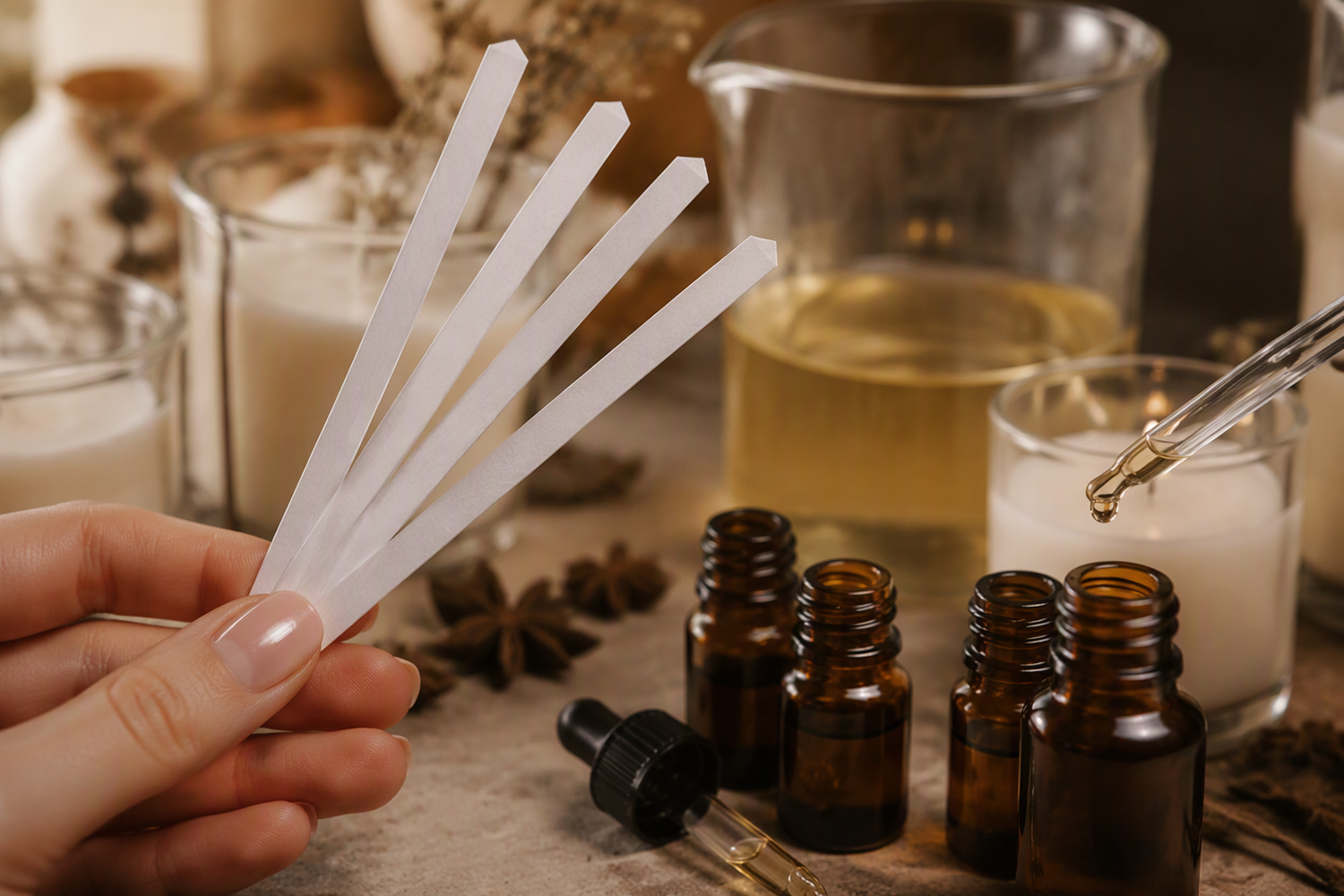
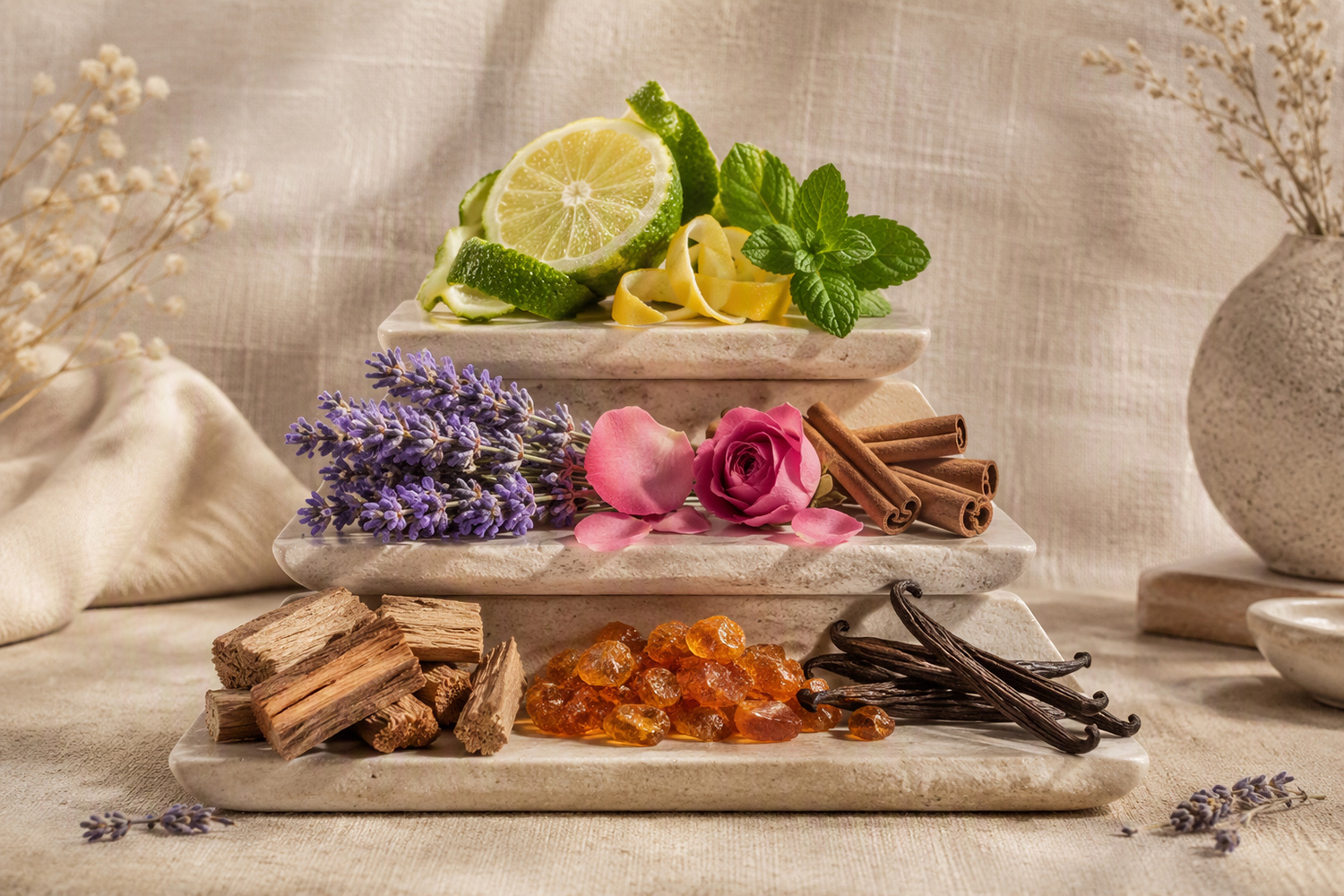
To layer scents like a seasoned perfumer, one must first master the classic three-tier fragrance pyramid. Every enduring fragrance blend is composed of three interconnected layers that unfold over time:
1. Top Notes (The Initial Impression)
Top notes consist of the lightest and most volatile molecules in an aromatic blend. They create the immediate impression when you unbox a candle or during the first fifteen minutes of lighting the wick.
- Common Notes: Bergamot, sweet mandarin, lemon zest, eucalyptus, peppermint, and crisp green apple.
- Role in Layering: They provide an uplifting, invigorating opening that captures attention and adds airiness to heavier scents.
2. Middle Notes (The Heart of the Scent)
Often referred to as heart notes, these elements emerge as the initial top notes gently dissipate. They represent the core personality of your blend and round out sharp edges.
- Common Notes: French lavender, night-blooming jasmine, damask rose, geranium, cinnamon bark, cardamom, and clove bud.
- Role in Layering: They provide warmth, depth, and a seamless bridge between the airy opening and the rich foundation.
3. Base Notes (The Lingering Anchor)
Base notes are composed of large, dense molecules that evaporate very slowly. They linger in the room long after the flame is extinguished and give the fragrance its structural longevity.
- Common Notes: Australian sandalwood, smoked cedarwood, earthy vetiver, dark patchouli, Madagascar vanilla, tonka bean, and warm amber.
- Role in Layering: They fix the volatile notes in place, preventing the overall aroma from burning away prematurely.
The Fragrance Wheel: Principles of Harmonious Blending
Navigating olfactory families prevents clashing combinations and helps predict how different aromatic oils interact. Understanding the fundamental fragrance categories—Fresh, Floral, Woody, and Warm Amber—allows you to experiment with confidence. If you are just beginning to explore aromatic pairings, consult this practical beginner guide on which candle scents pair together to understand core complementary profiles.
| Fragrance Family | Defining Characteristics | Ideal Blending Partners |
|---|---|---|
| Fresh | Crisp, clean, uplifting, zesty | Floral, Woody, Green Herbs |
| Floral | Romantic, lush, botanical, soothing | Fresh Citrus, Light Woods, Soft Amber |
| Woody | Earthy, dry, grounding, smoky | Warm Amber, Fresh Herbs, Spices |
| Amber / Warm | Sensual, sweet, resinous, opulent | Woody Accords, Heavy Florals, Gourmand |
Three Proven Harmonizing Strategies:
- Adjacent Blending (Analogous): Combine scent families that sit directly next to each other (e.g., Fresh Citrus + Green Herbal). This produces gentle, cohesive, and universally pleasant aromas.
- Opposite Blending (Complementary): Pair contrasting notes from opposite sides of the spectrum (e.g., Crisp Eucalyptus + Warm Vanilla Amber). The tension creates sophisticated, boutique-grade complexity.
- Monochromatic Layering: Combine distinct sub-genres within the same family (e.g., Atlas Cedarwood + Smoky Vetiver + Creamy Sandalwood). This yields an extraordinarily deep, textured sensory experience.
Step-by-Step: How to Layer Fragrances for a Unique Scented Candle
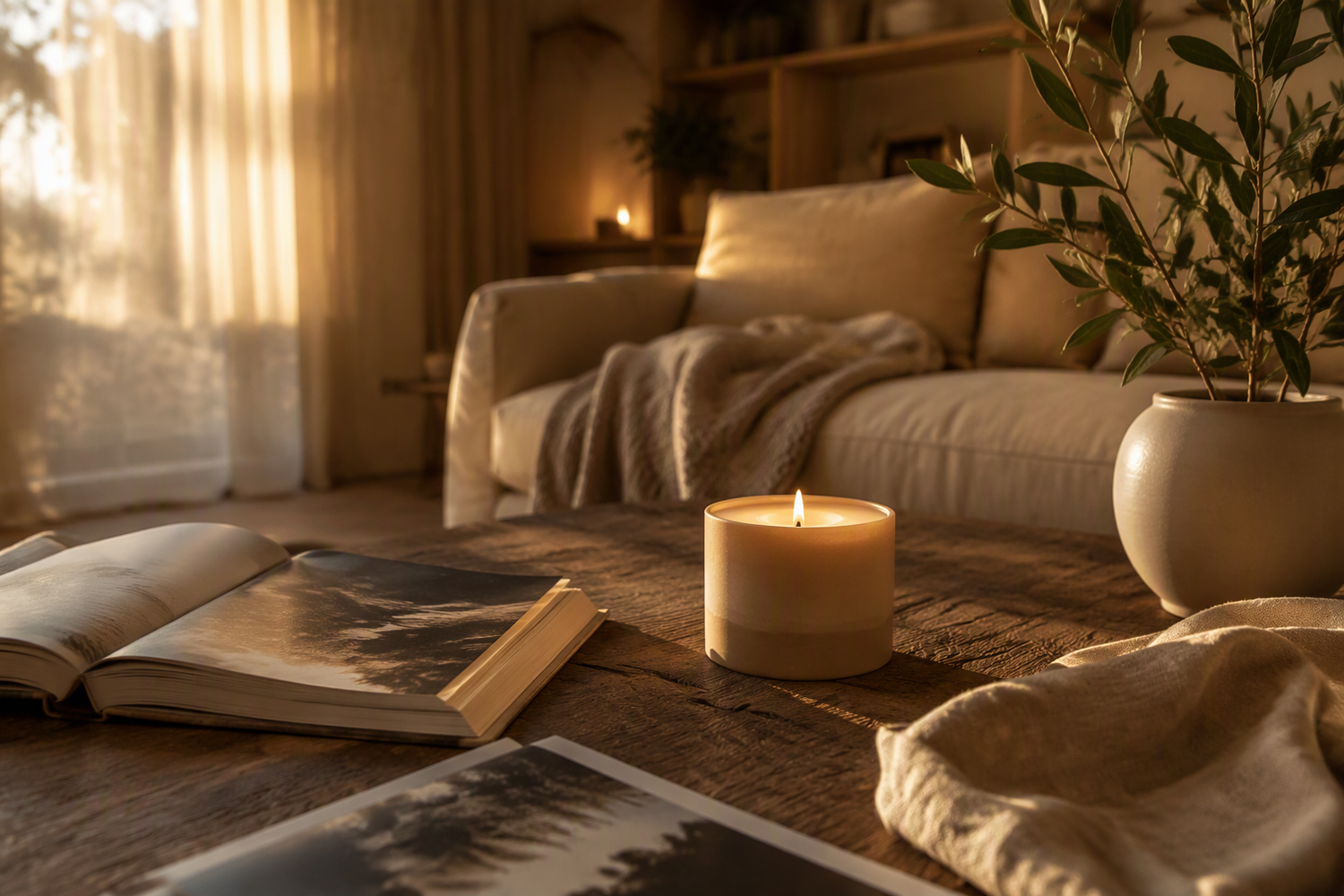
Crafting a bespoke candle scent requires both intuitive creativity and methodical testing. Follow this structured 4-step framework:
Step 1: Define Your Mood and Ambient Purpose
Begin with the end atmosphere in mind. Ask what emotional tone the candle should evoke across your living space:
- Invigorating & Refreshing (Home Office/Kitchen): Focus on Fresh-Citrus and Crisp Green accords.
- Serene & Relaxing (Bedroom/Bath): Anchor around Herbal Florals (Lavender, Chamomile) and Cashmere Woods.
- Warm & Grounding (Living Room/Evening): Prioritize Amber, Cedarwood, and Subtle Spices. Beyond single vessels, you can also explore broader ambient styling by curating layered home fragrance atmospheres throughout different zones of your interior.
Step 2: Establish the Golden Blending Ratio
When mixing raw fragrance materials, maintaining balanced proportions prevents one aggressive note from overpowering the entire composition. A time-tested baseline ratio for beginners is:
- 20% Top Notes (e.g., 2 parts Citrus/Herb)
- 40% Middle Notes (e.g., 4 parts Floral/Spice)
- 40% Base Notes (e.g., 4 parts Wood/Resin)
Step 3: Perform a Paper Blotter "Dry-Down" Test
Before pouring fragrance oils into hot melted wax, test your blend on scent strips (perfumer's blotters):
- Dip individual paper blotters into each constituent oil.
- Hold the strips together in a fan shape and gently wave them under your nose from roughly 6 inches away.
- Leave the strips in an empty room for 2, 6, and 12 hours to observe how the individual components evolve and dry down together.
- Adjust the droplet count of each oil until the balance feels completely harmonious.
Step 4: Blend at the Correct Wax Temperature
When adding your layered oil mixture to molten wax (such as natural soy, coconut, or beeswax), temperature control is critical:
- Add fragrance oils strictly at the recommended flash point and binding temperature (typically between 175°F to 185°F / 79°C to 85°C for soy waxes).
- Stir gently but thoroughly for a full two minutes to ensure the fragrance molecules disperse evenly throughout the wax crystal matrix.
- If you want to pour distinct physical color and scent tiers in one jar, review professional step-by-step layered scented candle pouring techniques to ensure seamless layer adhesion without shrinkage or frosting.
- Allow the finished candle to cure for at least 7 to 14 days prior to test burning, allowing the wax and layered aromatic compounds to fully marry.
4 Signature Fragrance Layering Recipes to Inspire You
Here are four balanced formulas designed to create distinct olfactory atmospheres for any home interior:
1. The Velvet Forest (Grounding & Earthy)
- Top: Bergamot Zest (20%)
- Middle: Crushed Pine Needles & Clary Sage (40%)
- Base: Smoked Cedarwood & Amber Musk (40%)
- Atmosphere: A crisp morning walk through an evergreen forest with cool mountain air and warm, earthy pine needles underfoot.
2. Midnight Cashmere (Cozy & Seductive)
- Top: Sweet Mandarin & White Tea (20%)
- Middle: Black Fig & Star Anise (35%)
- Base: Dark Vanilla Bean, Sandalwood & Tonka (45%)
- Atmosphere: An evening reading nook wrapped in a soft cashmere blanket beside a glowing fireplace.
3. Coastal Botanical Garden (Crisp & Restorative)
- Top: Sea Salt & Meyer Lemon (25%)
- Middle: Wild Rosemary & Blue Eucalyptus (40%)
- Base: Driftwood & White Oakmoss (35%)
- Atmosphere: An ocean breeze sweeping across wild herbal coastal cliffs on a sunlit afternoon.
4. Golden Chai Spice (Warm & Inviting)
- Top: Cardamom Pod & Candied Ginger (20%)
- Middle: Cinnamon Bark & Black Pepper (40%)
- Base: Creamy Vanilla, Nutmeg & Sandalwood (40%)
- Atmosphere: A vibrant kitchen filled with the inviting aroma of freshly brewed artisan spiced tea and bakery warmth.
Essential Safety & Wax Performance Guidelines
While fragrance layering is an expressive art form, combustion chemistry dictates candle performance. To ensure clean burning, optimal scent throw, and home safety, keep the following core practices in mind:
- Adhere to Proper Fragrance Load Limits: Total fragrance loading should generally remain between 6% to 10% of the wax weight depending on the specific wax type. Exceeding recommended saturation limits can cause oil sweating, uneven burning, or excessive soot.
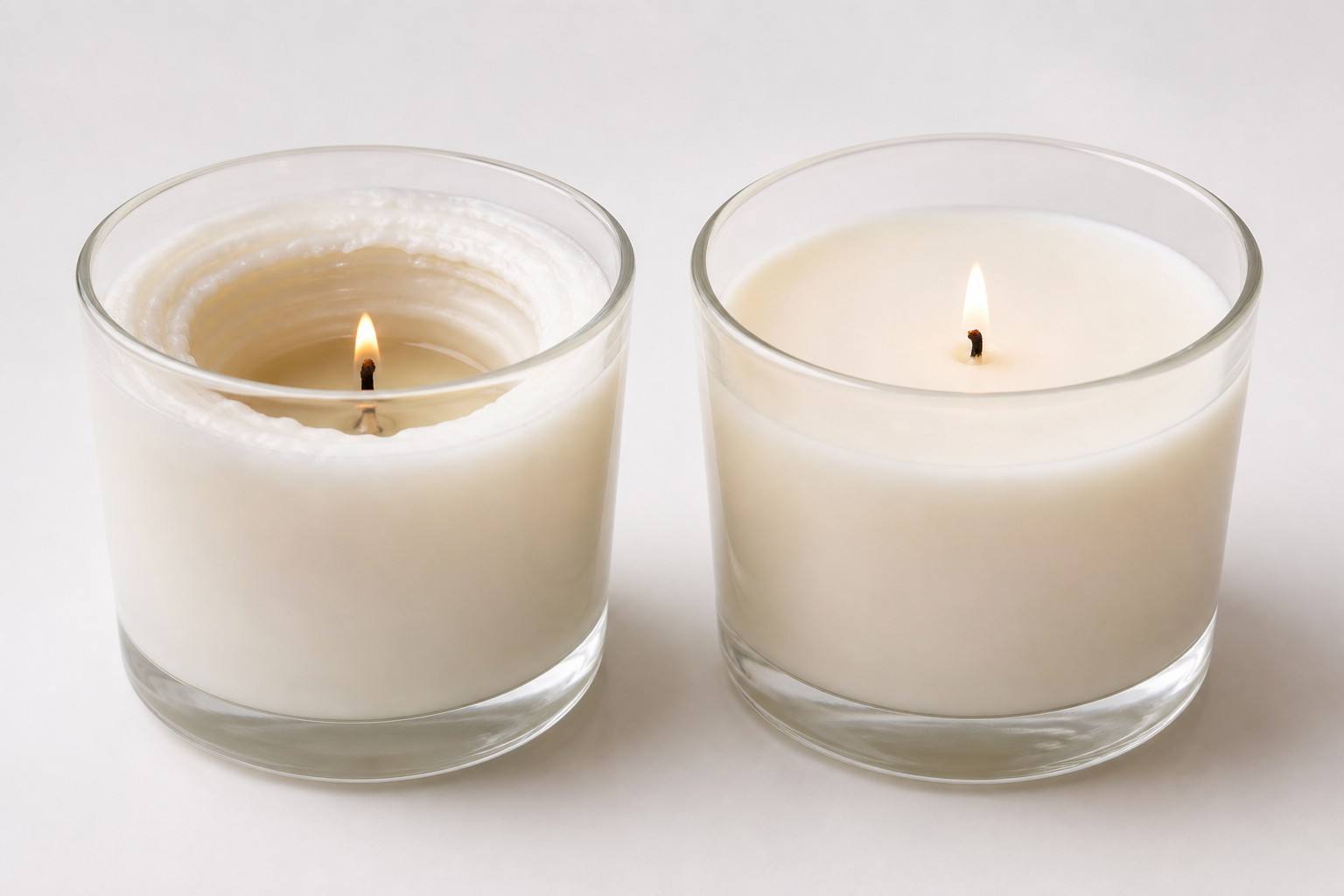
- Maintain Proper Wick Sizing: Complex layered blends (particularly those heavy in dense base notes like resin, spice, or dark vanilla) can alter wax viscosity. Test burn with properly sized cotton or wooden wicks to achieve a uniform melt pool from edge to edge without tunneling.
- Follow Flame & Burn Protocols: Always trim wicks to 1/4 inch before each burn, place candles on stable, heat-resistant surfaces away from drafts, and limit burning sessions to 3–4 hours to avoid overheating the delicate fragrance notes.
Summary: Elevate Your Home with Custom Scent Layering
Learning how to layer fragrances for a unique scented candle transforms a basic home accent into an immersive sensory journey. By balancing top, middle, and base notes through the fragrance pyramid, experimenting with harmonious scent families, and respecting proper wax blending temperatures, you can design artisanal candle scents tailored to every mood, room, and season.
Start experimenting with simple two- or three-note blends, document your droplet ratios carefully, and let your living spaces resonate with the best scented candles for home atmosphere crafted entirely by your own olfactory vision.
Frequently Asked Questions (FAQ)
Q1: Can I mix essential oils and synthetic fragrance oils in the same candle?
A: Yes. Combining pure essential oils (for natural, botanical top notes) with premium synthetic fragrance oils (which often provide superior hot throw and heat-stable base notes) is a widely practiced technique among artisan candle makers.
Q2: Why does my layered candle smell great unlit but weak when burning?
A: This difference occurs between "cold throw" and "hot throw." A weak hot throw usually results from adding fragrance oils at too high a temperature (causing volatile top notes to flash off during pouring), insufficient curing time (natural soy and coconut waxes require 7–14 days), or using base notes with low aromatic volatility in wax.
Q3: How many different fragrance oils can I blend together?
A: For beginners, 2 to 3 distinct oils provide ample complexity without muddling the scent profile. Experienced makers may blend 4 to 6 components, ensuring each oil fills a clear top, middle, or base role in the overall pyramid.
Do Diffusers Release Toxins into the Air?
Related Article