How to Make Room Spray with Essential Oils? A Complete Guide to Natural, Personalized Home Fragrance
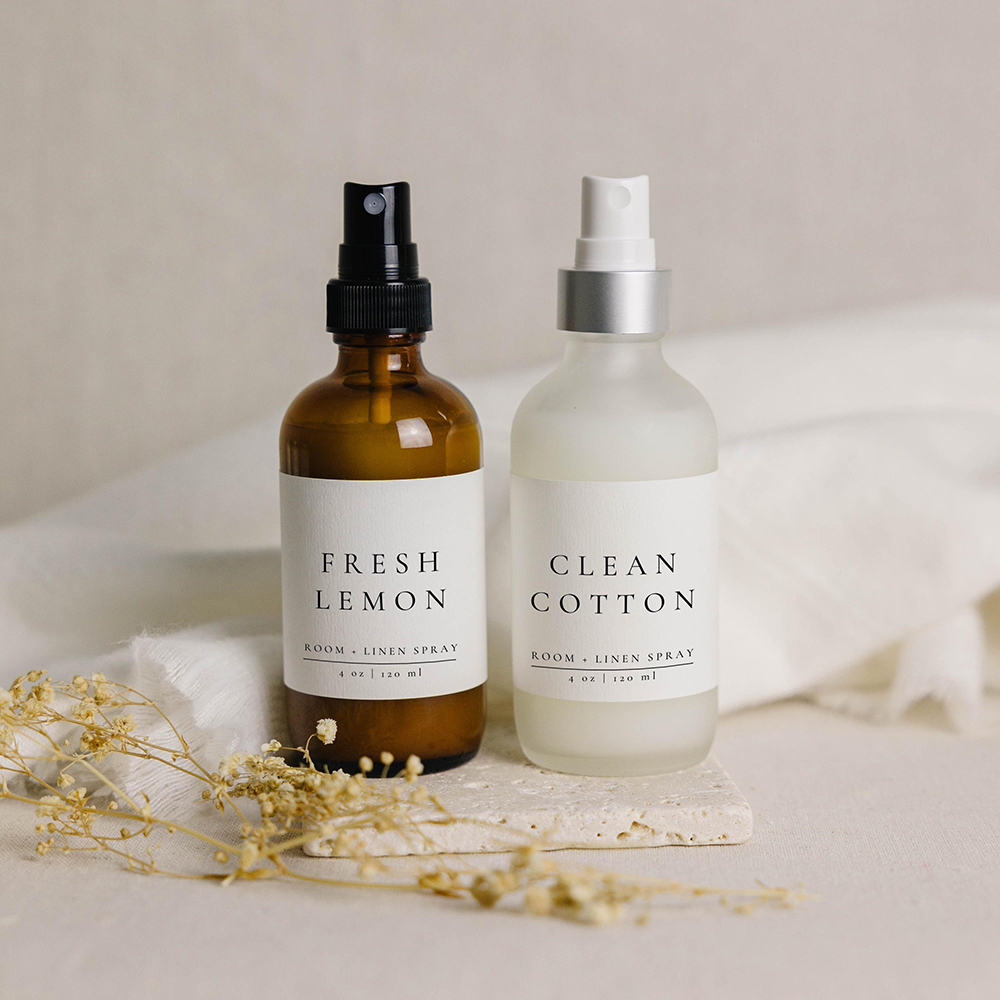
How to Make Room Spray with Essential Oils? A Complete Guide to Natural, Personalized Home Fragrance
In a world increasingly saturated with synthetic scents and chemical-laden aerosols, there's a growing desire to return to simplicity, purity, and personalization in our living spaces. Creating your own room spray with essential oils is more than a craft; it is an act of reclaiming your environment. It allows you to tailor the ambiance of your home to your exact mood, needs, and aesthetic, using the potent, natural essences of plants. This comprehensive guide will walk you through the science, art, and practical steps of crafting your own exquisite, non-toxic room sprays.

Part 1: The Philosophy and Benefits of DIY Essential Oil Room Sprays
Before delving into recipes, it's crucial to understand why this practice is so rewarding.
-
Health and Wellness: Commercial air fresheners often contain phthalates, formaldehyde, and volatile organic compounds (VOCs) that can pollute indoor air and trigger allergies, asthma, and headaches. Essential oil sprays, when used properly, offer a clean alternative. Many oils, like tea tree, eucalyptus, and lavender, possess inherent antimicrobial and purifying properties.
-
Therapeutic Power of Aromatherapy: Scents directly impact the limbic system, the brain's emotional center. A homemade spray lets you harness this power intentionally:
-
Uplift & Energize: Citrus oils (sweet orange, lemon, grapefruit).
-
Calm & Relax: Floral and woody oils (lavender, chamomile, cedarwood).
-
Focus & Clarify: Herbaceous and minty oils (rosemary, peppermint, basil).
-
Comfort & Ground: Spicy and resinous oils (cinnamon, frankincense, patchouli).
-
-
Customization and Creativity: Your home’s scent is an extension of your personality. You can create blends for seasons (spicy cinnamon and orange for winter, fresh pine for summer), specific rooms (an invigorating blend for the home office, a serene one for the bedroom), or even to recreate cherished memories.
-
Economical and Eco-Friendly: A small bottle of essential oil yields many sprays. By using reusable glass bottles, distilled water, and biodegradable ingredients, you dramatically reduce plastic waste and environmental toxins.
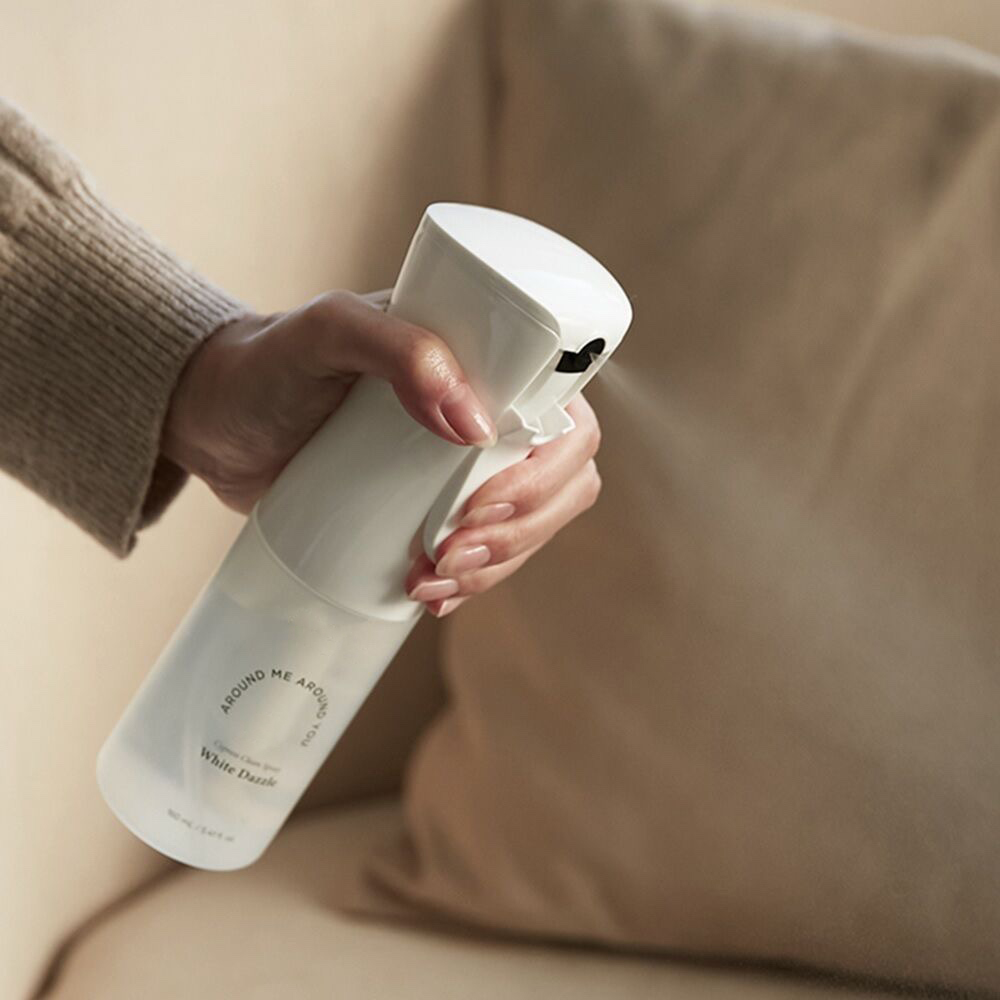
Part 2: Core Ingredients and Equipment
Gathering high-quality ingredients is the foundation of a successful spray.
A. The Essential Elements:
-
Essential Oils: This is the heart of your spray. Opt for 100% pure, therapeutic-grade oils from reputable sources. For a 100ml spray bottle, you'll typically use 30-50 drops total. You can use a single oil or create a synergistic blend.
-
The Liquid Base: Water alone does not mix with oil. You need an emulsifier.
-
High-proof Alcohol (Vodka or Everclear): The gold standard. It acts as a solvent, dispersing the oils evenly and acting as a natural preservative. It evaporates quickly, leaving no residue. Use about 2-4 teaspoons per 100ml.
-
Vegetable Glycerin or Solubol: A natural, alcohol-free alternative. It helps bind oil and water but can leave a slight sweet scent and a minimally sticky residue. Use 1-2 teaspoons.
-
Witch Hazel: A popular choice, though it has a low alcohol content (typically 14-20%). It may not preserve as effectively as high-proof alcohol. Use 2-3 teaspoons.
-
-
Water: Always use distilled water. Tap water contains minerals and microbes that can spoil your spray, cause cloudiness, or clog the sprayer.
B. Equipment:
-
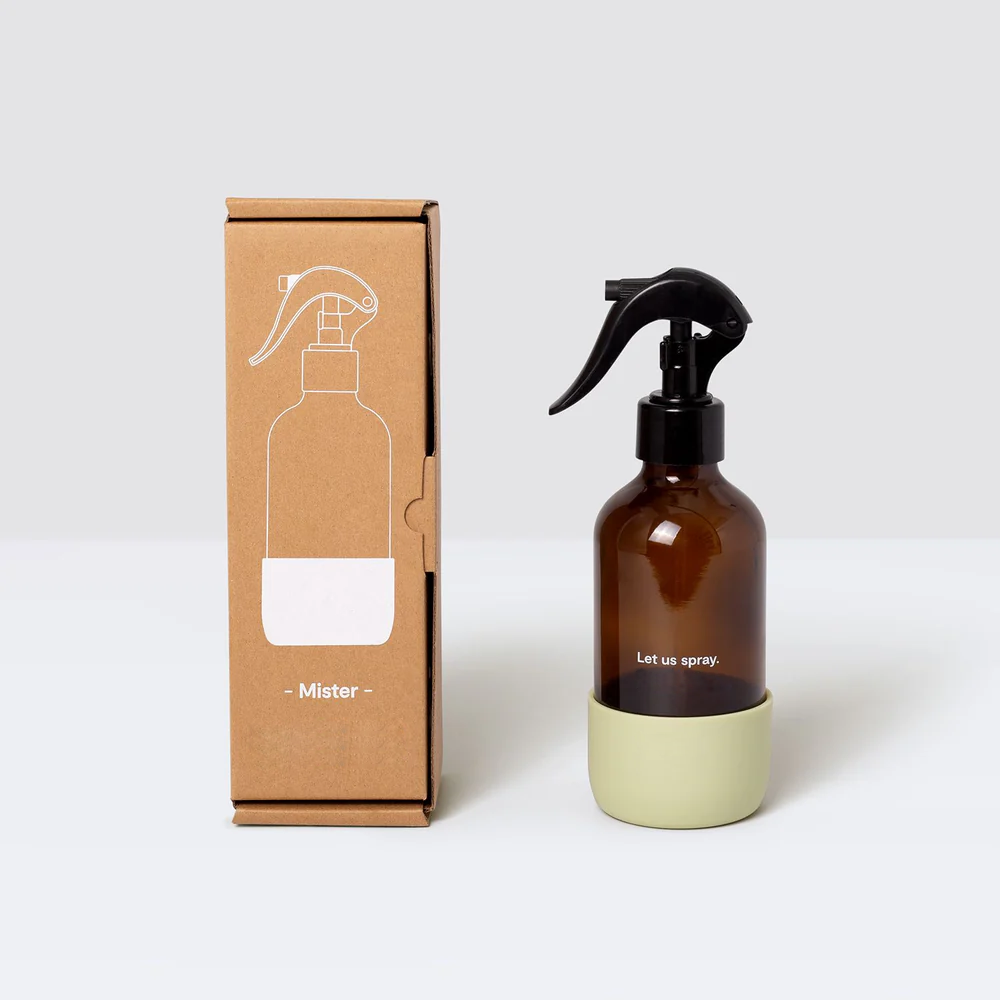
Glass Spray Bottles: Amber or cobalt blue glass bottles are ideal. They protect the delicate essential oils from UV light degradation. A 100ml (approx. 3.4 oz) size is perfect to start. Ensure it has a fine mist sprayer.
-
Measuring Spoons & Funnel: For accuracy and mess-free filling.
-
Small Bowl & Stirrer (Optional): For pre-mixing your oils before adding them to the bottle.
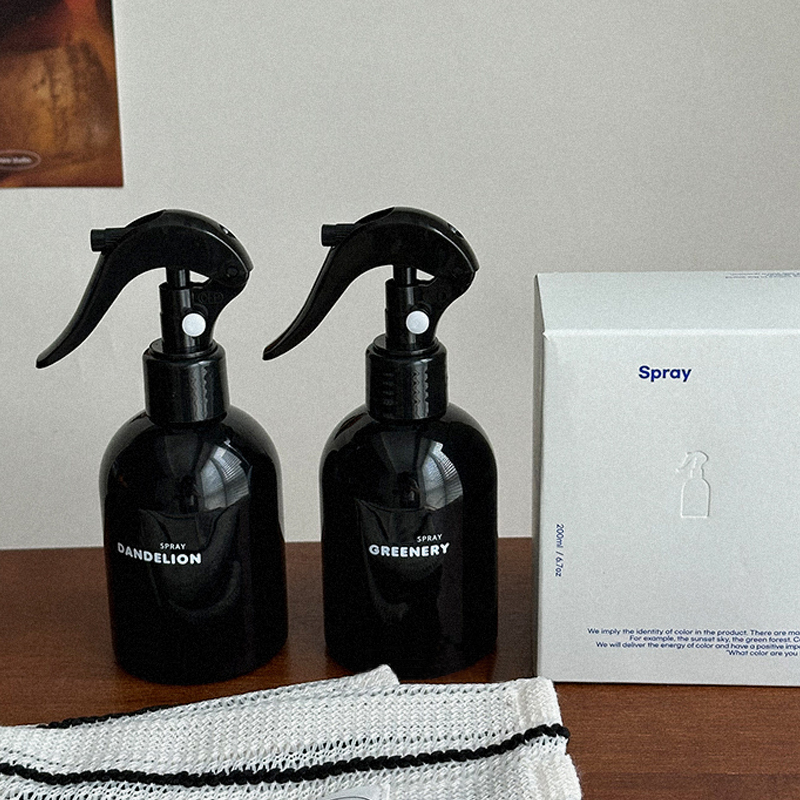
Part 3: The Master Formula and Step-by-Step Instructions
Basic Alcohol-Based Recipe (100ml / 3.4 oz bottle):
-
30-50 drops total essential oil(s)
-
2-4 teaspoons high-proof vodka or perfumer's alcohol (approx. 10-20% of bottle volume)
-
Distilled water
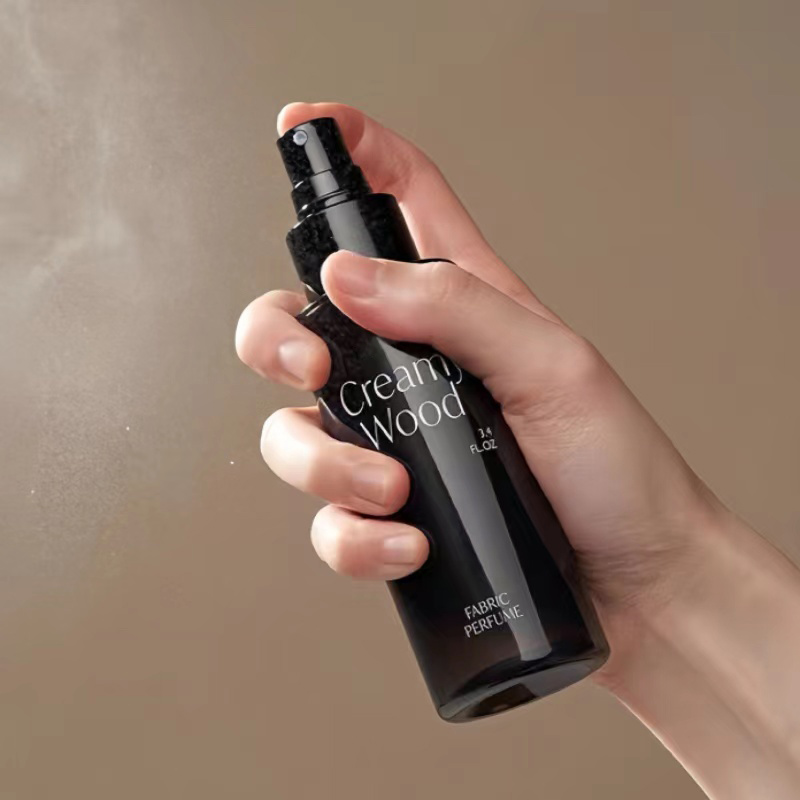
Instructions:
-
Sanitize: Clean your glass bottle and sprayer with hot, soapy water and allow to dry completely.
-
Create Your Blend: In a small bowl or directly into the dry bottle, combine your chosen essential oils. Swirl gently to mix. Tip: Start with a 3:2:1 ratio for blends (e.g., 3 parts top note, 2 parts middle note, 1 part base note).
-
Add the Solvent: Pour the alcohol (or glycerin/witch hazel) into the bottle. Secure the lid and shake vigorously for 30 seconds. This allows the alcohol to fully dissolve the essential oils, creating a "perfume concentrate."
-
Dilute with Water: Using your funnel, fill the rest of the bottle with distilled water, leaving a little space at the top.
-
The Grand Shake: Securely fasten the sprayer top. Shake the bottle very well for a full minute. The mixture will appear milky initially.
-
Label and Cure: Label your bottle with the date and ingredients. For the richest scent, let it "cure" in a cool, dark place for 24-48 hours. This allows the components to fully marry. Always shake well before each use to re-emulsify the oils.
Part 4: Signature Blends to Inspire You
Here are five curated recipes to spark your creativity:
-
"Morning Sunshine" (Energizing & Uplifting):
-
20 drops Sweet Orange
-
15 drops Grapefruit
-
10 drops Lemon
-
5 drops Peppermint
-
Perfect for: Kitchens, home gyms, to combat afternoon slumps.
-
-
"Forest Walk" (Grounding & Clean):
-
15 drops Fir Needle or Pine
-
15 drops Cedarwood
-
10 drops Cypress
-
5 drops Vetiver (use sparingly)
-
Perfect for: Living rooms, studies, creating a natural, clean atmosphere.
-
-
"Sanctuary" (Calming & Sleep-Promoting):
-
25 drops Lavender
-
15 drops Roman Chamomile
-
10 drops Bergamot (steam-distilled to be phototoxic-free)
-
Perfect for: Bedrooms, meditation spaces, spraying on pillows before bed.
-
-
"Focus & Flow" (Clarity & Concentration):
-
20 drops Rosemary
-
15 drops Frankincense
-
10 drops Lime
-
5 drops Basil
-
Perfect for: Home offices, creative studios, libraries.
-
-
"Cozy Hearth" (Warm & Spicy):
-
15 drops Cinnamon Bark (diluted – can be skin/surface irritant)
-
15 drops Sweet Orange
-
10 drops Clove Bud
-
5 drops Vanilla Oleoresin (a thick, rich essence)
-
Perfect for: Autumn and winter, entryways, living rooms.
-
Part 5: Advanced Tips, Safety, and Troubleshooting
-
Safety First:
-
Skin & Surfaces: These sprays are primarily for air and fabric. Avoid direct spraying on skin (they are not diluted for topical use), polished wood, silk, or electronics. Citrus oils can degrade certain plastics.
-
Pets & Children: Research thoroughly. Many common oils (tea tree, citrus, peppermint, pine) can be harmful to cats, dogs, and birds. Always use in well-ventilated areas away from pets. Store out of reach of children.
-
Pregnancy/Sensitivities: Consult a healthcare professional if pregnant, nursing, or have specific health conditions.
-
-
Troubleshooting:
-
Oily Film/Clogged Sprayer: Your oils are not properly emulsified. Use more alcohol or solvent next time, and shake more vigorously before each use. To unclog, rinse the sprayer mechanism in hot water or alcohol.
-
Cloudy Mixture: This is normal when using alcohol and is a sign of emulsification. It should clear as it settles.
-
Weak Scent: You may have used too few oils or low-quality oils. Adjust your drop count. Remember, it's a room mist, not a perfume oil—it should be subtle.
-
Spoilage (Unpleasant Smell): If you didn't use distilled water, enough preservative (alcohol), or the bottle wasn't clean, bacteria can grow. Discard and start fresh.
-
-
Pro-Tips for Longevity:
-
Store your sprays in a cool, dark cupboard, not in direct sunlight or heat.
-
Use within 6-12 months for optimal potency.
-
For a truly luxurious, lingering scent on fabrics, consider making a linen spray with a higher proportion of glycerin, which helps the scent adhere to fibers.
-
Conclusion: The Art of Atmosphere
Making your own essential oil room spray is a simple yet profoundly satisfying practice. It connects you to the natural world, empowers you to create a healthier home, and engages your senses in the design of your daily life. Each spritz becomes a personal statement—a burst of energy to start the day, a veil of calm to end it, or a welcoming embrace for your guests. With this guide in hand, you are equipped to move beyond merely masking odors and instead begin crafting the very atmosphere of your home, one beautiful, personalized mist at a time. So, gather your bottles, select your oils, and start blending your way to a more fragrant, intentional, and naturally vibrant living space.
How long do scented candles last?
What is the difference between a car diffuser and an air freshener?
Related Article