How long does room spray smell last?
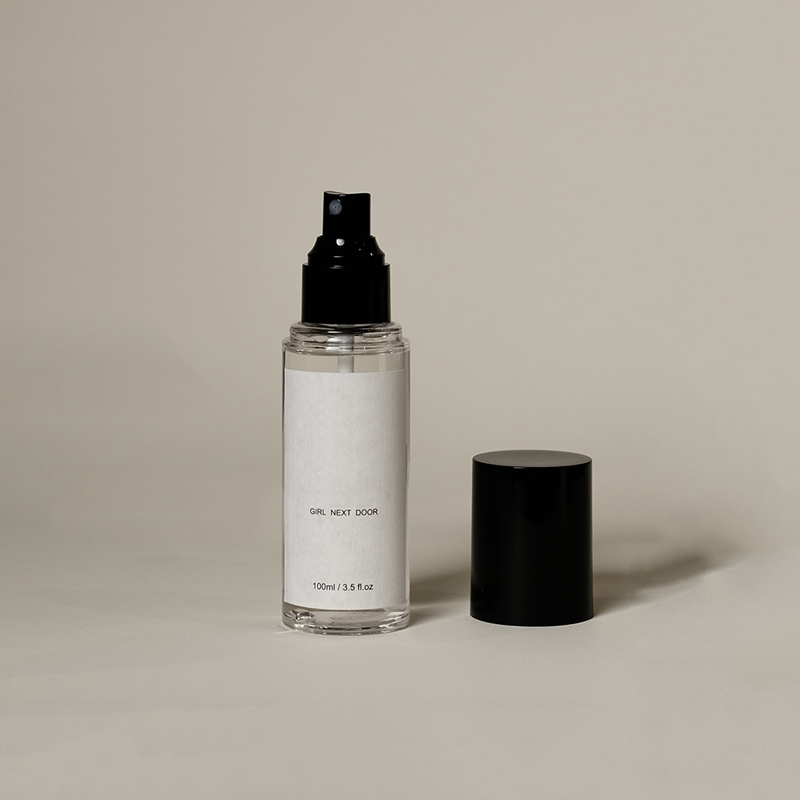
How Long Does Room Spray Smell Last? Unraveling the Science of Scent Longevity
The simple act of pressing the nozzle on a room spray is a small promise of instant transformation. A cloud of mist bursts forth, carrying with it the potential to banish lingering odors, elevate a mood, or evoke a distant memory. But almost as quickly as the initial, satisfying burst of fragrance arrives, a question emerges: how long will this sensory delight last? The answer, as it turns out, is far from simple. The longevity of a room spray's scent is a complex interplay of chemistry, physics, environment, and human biology. It can range from a fleeting 15 minutes to a persistent several hours, and understanding the factors at play is the key to mastering your aromatic space.
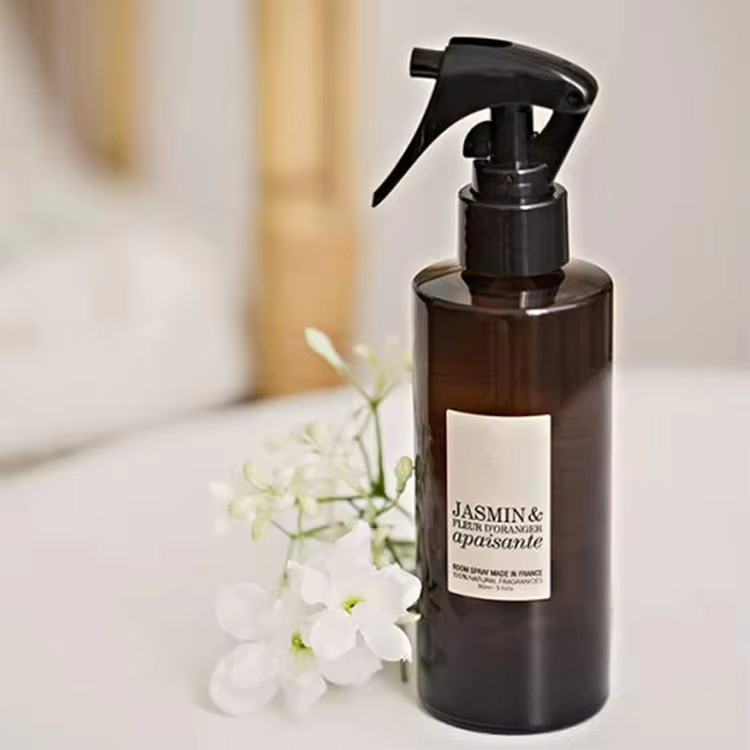
To comprehend scent duration, we must first look at what happens the moment the spray is released. Room sprays are typically composed of four key elements:
-
Fragrance Oils: The heart of the scent. These can be natural essential oils or synthetic aroma compounds. The molecular weight and volatility of these oils are primary determinants of longevity. Lighter, top-note molecules (like citrus, lemon, and light herbs) evaporate quickly. Heavier, base-note molecules (like musk, amber, vanilla, and sandalwood) evaporate slowly, providing the lasting foundation of a scent.
-
Solvents (like Alcohol or Isopropyl Myristate): These liquids dissolve the fragrance oils and act as a carrier. When sprayed, the solvent rapidly evaporates into the air, helping to disperse the fragrance molecules. Alcohol-based sprays create a fine, dry mist that disseminates quickly but can sometimes lead to faster evaporation of the top notes.
-
Propellants: These gases are responsible for expelling the liquid mixture from the canister in an aerosolized form.
-
Water: Often used to dilute the mixture, especially in non-aerosol, continuous spray bottles.
The initial scent you experience is a combination of all the notes. However, the journey of dissipation begins immediately.
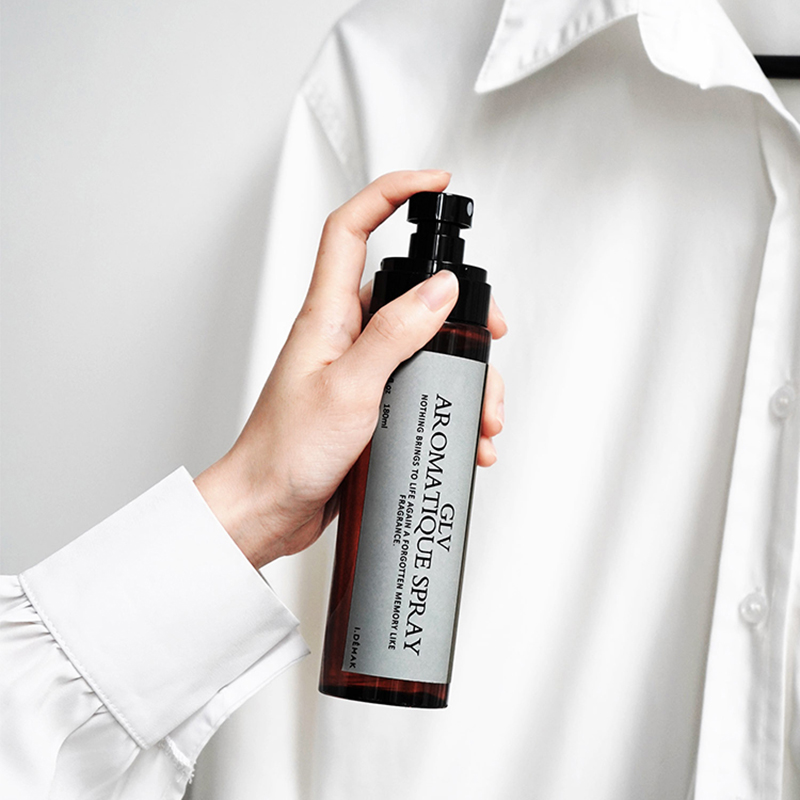
The Science of Evaporation and Olfactory Fatigue
The principle governing scent disappearance is evaporation. Fragrance molecules are in a constant state of motion, escaping from the liquid droplets into the air. As they disperse, they travel on air currents until they reach the olfactory receptors in your nose, where they are interpreted as smell.
However, the most significant factor limiting your perception of a scent's duration is a biological phenomenon known as Olfactory Adaptation or Olfactory Fatigue. This is your nose's built-in safety mechanism. To prevent your brain from being overloaded with constant sensory information, your olfactory receptors essentially "shut off" after continuous exposure to a stable scent. This is why you can walk into a friend's house and immediately notice their signature home fragrance, while they may smell nothing at all. The scent molecules are still present in the air, but your nose has stopped registering them. This is a crucial point: the spray may still be active, but you are no longer able to smell it. This often happens within 15-30 minutes of continuous exposure.
This is also why you might leave a room and upon returning, get a faint whiff of the spray again. The break in exposure has reset your olfactory receptors, allowing you to detect the lingering base notes once more.
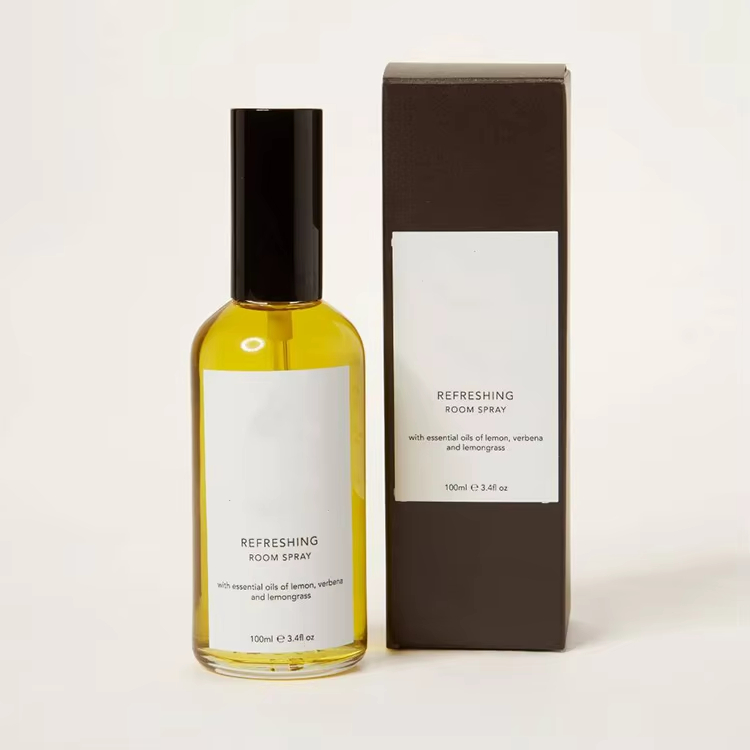
Key Factors Determining Scent Longevity
Moving beyond biology, several tangible factors dramatically influence how long the fragrance molecules remain potent in your environment.
1. The Composition of the Fragrance (Notes and Quality)
This is arguably the most important factor. As in perfumery, room spray scents are built in layers:
-
Top Notes: These are the light, volatile molecules that create the first impression. Scents like bergamot, grapefruit, lemon, and eucalyptus are typical top notes. They are delightful but fleeting, often lasting only 5-15 minutes after spraying.
-
Middle/Heart Notes: These emerge after the top notes dissipate, forming the core character of the fragrance. Scents like lavender, rose, jasmine, and cinnamon are common heart notes. They can last for an hour or two.
-
Base Notes: These are the heavy, least volatile molecules that provide depth and longevity. They are the anchor of the scent. Ingredients like vanilla, patchouli, musk, oakmoss, and amber are classic base notes. They can linger for several hours, sometimes even up to 4-8 hours in ideal conditions.
A high-quality spray with a high concentration of natural or well-crafted synthetic base notes will always last longer than a cheap, alcohol-heavy spray dominated by simple top notes.
2. Environmental Factors: The Room Itself
The environment you spray into is an active participant in the scent's lifecycle.
-
Airflow and Ventilation: A room with open windows, ceiling fans, or strong air conditioning will see scent molecules dispersed and carried away much faster. A closed, still room will allow the fragrance to linger considerably longer.
-
Room Size and Volume: It seems obvious, but a concentrated burst of spray will have a much stronger and longer-lasting effect in a small bathroom than in a vast, open-plan living area. The molecules have more space to diffuse into, lowering their concentration more rapidly.
-
Temperature: Warm air can hold more moisture and energy, causing fragrance molecules to evaporate and move more quickly. A warm room might make the initial scent burst stronger but can also lead to faster dissipation. A cooler room may slow down the evaporation process.
-
Humidity: High humidity can sometimes "trap" scent molecules in the moisture in the air, potentially making the scent last longer. However, it can also mute the fragrance or alter its character.
3. Application Technique: How You Spray
How you use the product has a direct impact.
-
Number of Sprays: A single, brief spray will have a minimal effect. Two to four sprays, dispersed throughout a room, will provide a more robust and lasting scent cloud.
-
Spray Direction: Spraying into the center of the room allows for wide dispersion but rapid dilution. A common pro-tip is to spray towards soft, porous surfaces like curtains, upholstery, or carpets. These materials can absorb the fragrance oils and release them slowly over time, acting as a natural diffuser. Important: Always test on an inconspicuous area first to avoid staining.
-
Spraying Height: Spraying from a height allows the mist to settle more evenly throughout the space rather than concentrating it in one spot.
4. Surface Porosity and Object Interaction
As mentioned, surfaces matter. Scent will cling longer to fabrics, rugs, wooden furniture, and even bookshelves than it will to hard, non-porous surfaces like glass, metal, or tiles. This is why the scent might seem to last longer in a cozy, furnished living room compared to a minimalist, tiled bathroom.
Comparing Room Sprays to Other Fragrance Delivery Systems
To fully understand room spray longevity, it's helpful to compare it to other popular home fragrance options:
-
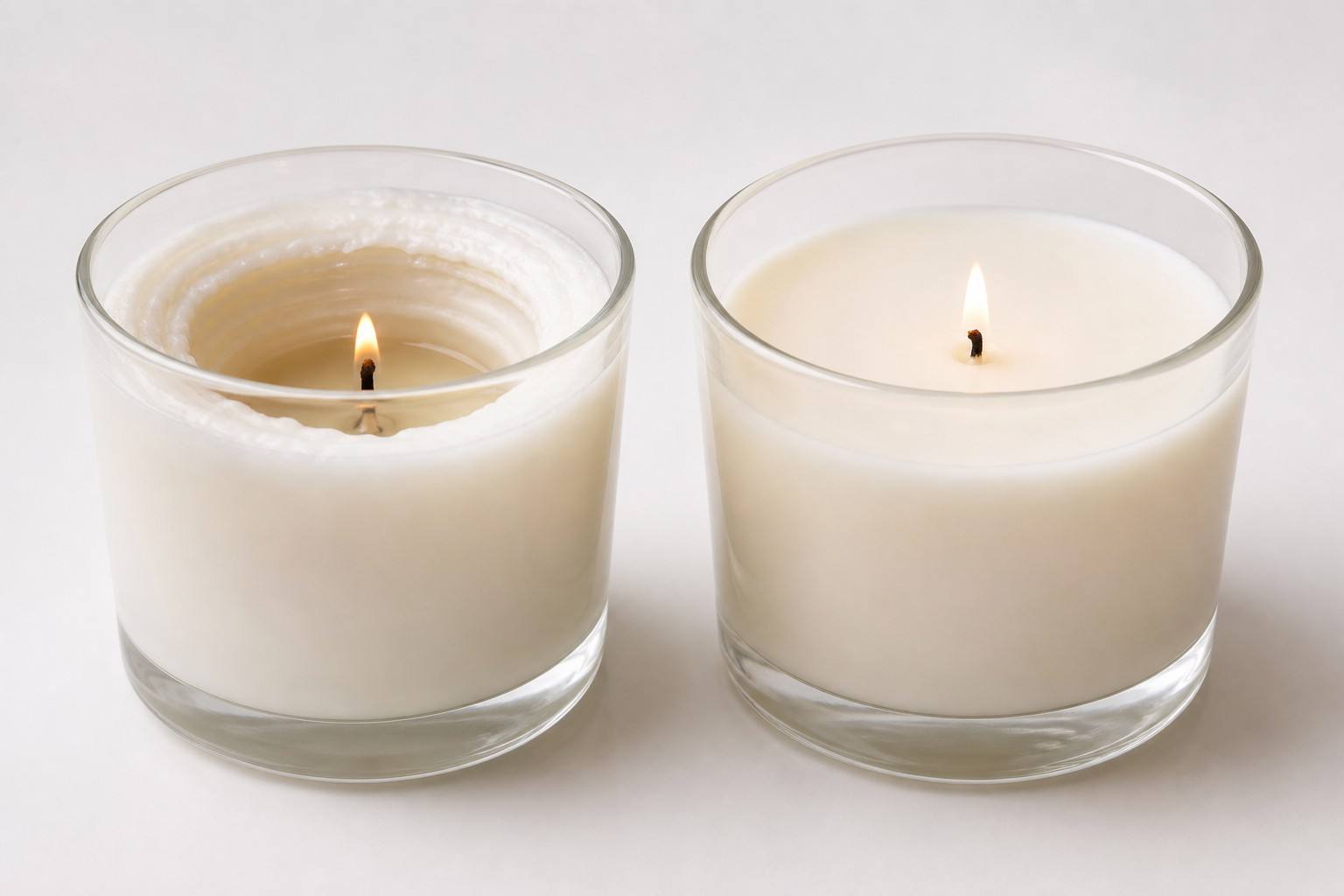
Candles: When lit, a candle provides a continuous release of fragrance until it is extinguished. The hot wax pool acts as a reservoir. The scent stops almost immediately when the flame is put out, though a faint scent may remain in the wax.
-
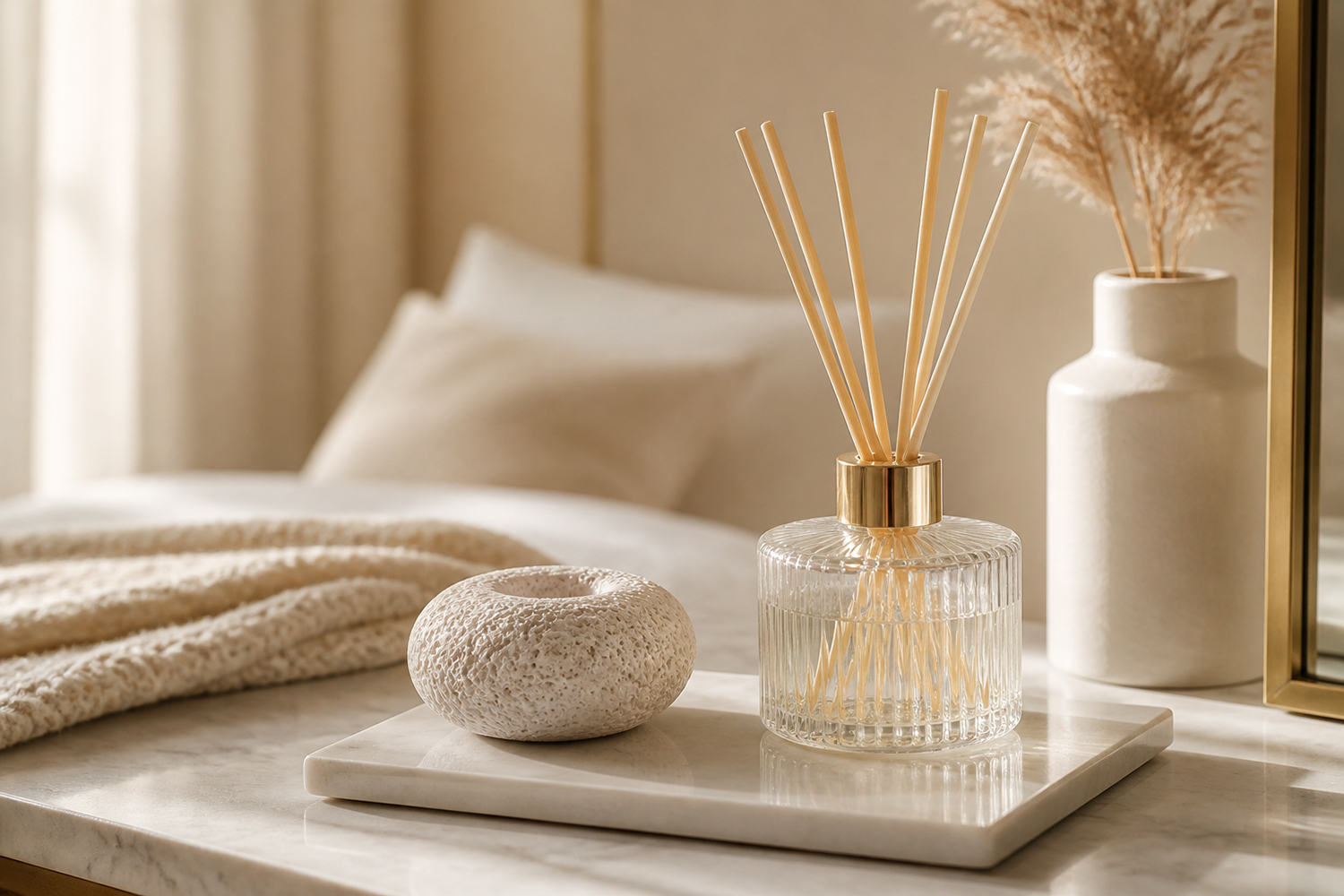
Reed Diffusers: These offer a constant, subtle diffusion of fragrance 24/7. They provide a more consistent background scent that can last for weeks or months, but the scent throw (the distance the fragrance travels) is generally weaker than the initial burst of a room spray.
-
Plug-in Diffusers/Electric Diffusers: These also provide continuous fragrance, often with adjustable intensity. They can cover a larger area than reeds but require power. Like reeds, they offer longevity but lack the immediate, powerful impact of a room spray.
The room spray's unique advantage is its immediacy and control. It is the perfect tool for an instant refresh before guests arrive or to quickly neutralize a strong cooking odor. It is not designed to be a constant, day-long scent solution like a diffuser.
Maximizing the Life of Your Room Spray Scent
If you want to extend the presence of your favorite fragrance, you can employ a few strategies:
-
Target Porous Surfaces: Lightly mist curtains, upholstery, or a wooden shelf.
-
Create a Scent Cloud: Spray a few bursts walking through the room rather than in one spot. Spraying from a higher level can help.
-
Spray in a Contained Space: For a longer-lasting effect, spray in a room with the door closed and minimal ventilation.
-
Combine with Complementary Products: Use a room spray to "top up" the scent in a room where you also use a reed diffuser or scented candle from the same fragrance family. This creates layers of scent that last longer.
-
Choose Your Scents Wisely: Opt for fragrances known for their longevity. Look for descriptions that include base notes like woods, musk, vanilla, amber, or gourmand notes. Citrus and light floral blends will be more ephemeral.
Conclusion: The Fleeting, Yet Powerful, Nature of Scent
So, how long does a room spray smell last? The most accurate answer is: anywhere from 15 minutes to 4 hours, with the average being 1-2 hours of perceptible scent for a well-formulated product in a standard room. Its peak intensity, however, is often in the first 30 minutes before olfactory fatigue sets in.
The transient nature of a room spray is not a flaw but a feature. It is the olfactory equivalent of a quick tidy-up—a swift, effective intervention that resets the atmosphere without commitment. It offers a moment of aromatic punctuation in the narrative of your day. Understanding the factors that influence its lifespan empowers you to use it not just as a simple air freshener, but as a sophisticated tool for crafting your desired environment, one perfectly timed, fragrant cloud at a time.
Is a Reed Diffuser Safe for Lungs? An In-Depth Look at the Air We Breathe
What are the benefits of coffee scented candles?
Related Article