How long does reed diffuser last?
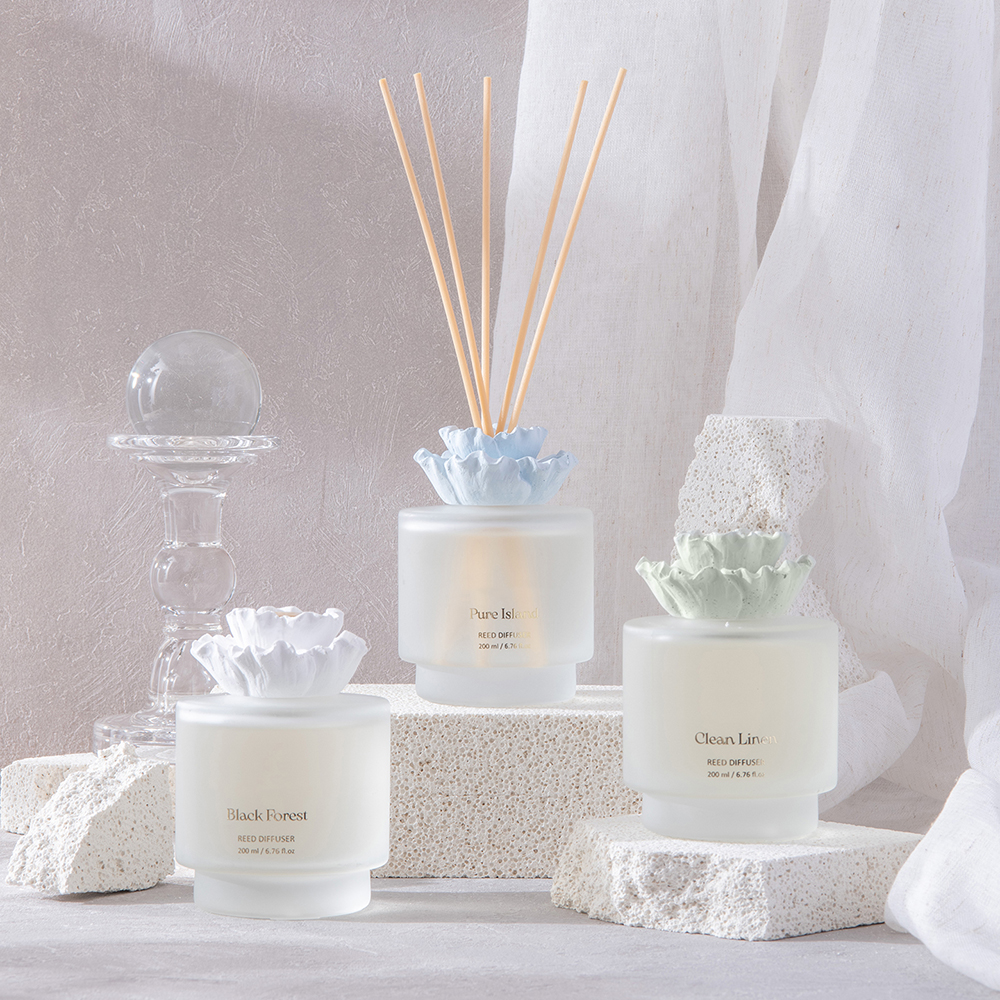
Reed diffusers have become a staple of modern home fragrance, offering a flame-free, low-maintenance way to infuse living spaces with continuous scent. Unlike candles that burn down in hours or plug-ins that rely on electricity, reed diffusers promise a steady, elegant aroma. But when you invest in a beautiful bottle of scented oil and a set of reeds, a practical question arises: How long does a reed diffuser actually last? The answer, as with many things, is: it depends. A typical reed diffuser can last anywhere from 4 to 12 weeks, but this timeline is influenced by a complex interplay of factors including size, environment, and the quality of the product itself.
Understanding these factors is key not only to setting realistic expectations but also to maximizing your investment and enjoying a consistent, beautiful fragrance from the first drop to the last.
The Primary Factors Influencing Diffuser Longevity
1. Size and Capacity:
The most obvious factor is the volume of oil in the bottle. Diffusers commonly range from 35ml (travel size) to 500ml or more for large commercial spaces.
-
Small (35ml-100ml): These may last 3-6 weeks in an average room.
-
Standard (150ml-200ml): The most common size for living rooms or bedrooms, typically lasting 6-10 weeks.
-
Large (250ml+): Designed for open-plan areas, these can often last 2-4 months.
2. Number and Type of Reeds:
The reeds are not just decorative; they are the delivery system. They act as capillaries, drawing the fragrance oil up to their tops where it evaporates into the air.
-
Quantity: Using more reeds increases the surface area for evaporation, intensifying the scent but shortening the oil's lifespan. Starting with the recommended number (usually 5-8) is standard. You can adjust later based on your scent preference.
-
Material: Most reeds are made from porous natural rattan, which has excellent wicking properties. Some synthetic or fiber reeds are designed to be more efficient or consistent. Thinner reeds may draw oil slightly faster than thicker ones. Pro Tip: Flipping the reeds (turning them upside down) reloads them with saturated ends, giving a powerful scent boost. Do this over a sink or paper towel, and only when you feel the scent fading—typically once a week. Flipping too frequently will deplete the oil faster.
3. Environmental Conditions:
Your home's environment is a major player in the diffusion process.
-
Room Temperature: Heat accelerates evaporation. A diffuser in a warm, sunny living room will emit a stronger scent but deplete much faster than one in a cool, dark hallway. Ideal ambient temperature is around 68-72°F (20-22°C).
-
Airflow and Ventilation: Placing a diffuser in a high-traffic area, near an air vent, fan, or frequently opened window will cause the scent to disperse more quickly, prompting the reeds to draw oil at a higher rate to compensate. For longevity, choose a location with gentle, consistent airflow rather than direct drafts.
-
Room Size: A 150ml diffuser in a compact home office will scent the space intensely and may last longer than the same diffuser in a vast, open-concept living-dining area, where you might feel the scent is weaker as it disperses into a larger volume.
4. Quality and Composition of the Fragrance Oil:
Not all oils are created equal. The ingredients directly impact both longevity and performance.
-
Carrier Oil Base: High-quality diffusers use a light, minimally viscous carrier oil (like dipropylene glycol or a specialized mineral oil blend) that is optimized for capillary action. Dense, oily bases (like some cheap vegetable oil mixes) can clog reeds and wick poorly.
-
Fragrance Concentration: Premium oils contain a higher percentage of fragrance concentrates (both synthetic and natural essential oils). While potent, a well-balanced formula will release scent steadily. Very thin, alcohol-heavy solutions can evaporate too quickly.
-
Scent Notes: The fragrance family can play a role. Light citrus and top notes tend to be more volatile and may seem to fade faster, while deep base notes like musk, vanilla, or sandalwood have more staying power in the oil pool itself.
How to Maximize the Life of Your Reed Diffuser
Want to ensure you get every last day of fragrance from your diffuser? Follow these best practices:
-
Strategic Placement: Keep your diffuser in a stable, room-temperature spot away from direct sunlight, radiators, and air conditioning vents. Avoid placing it on porous surfaces (like raw wood) in case of accidental spills.
-
Start Smart: Begin with the manufacturer's recommended number of reeds (often 6). If after a few days the scent is too subtle, add a reed or two. If it's overwhelming, remove one. This controls the diffusion rate from the start.
-
Flip Reeds Judiciously: Resist the urge to flip the reeds daily. Only flip them when you notice a significant decrease in fragrance—usually every 1-2 weeks. This prevents flooding the reeds and wasting oil.
-
Rotate for Consistency: If one side of the room seems scent-heavy, simply rotate the bottle a quarter turn every week to ensure even reed saturation and even scent distribution.
-
Keep It Clean: Dust can clog the tiny pores in the reeds. When flipping, gently wipe them with a paper towel. When refilling with a new scent, always use fresh reeds to prevent muddled fragrances and maintain optimal wicking.
Signs Your Reed Diffuser is Running Out
How can you tell it's time for a replacement or refill?
-
The Scent Has Faded: Despite flipping the reeds, the fragrance no longer permeates the room as it once did.
-
Oil Level is Low: The oil is nearly gone, leaving the bottom inch or more of the reeds exposed and unable to draw liquid.
-
The Oil Has Changed Color or Consistency: It may appear cloudy or thicker, which can happen as certain components evaporate or if dust has entered the bottle.
-
The Reeds Look Saturated or Clogged: They may be visibly gummed up at the ends, especially with lower-quality oils.
Refilling vs. Buying New: A Consideration
Many beautiful diffuser bottles are designed for reuse. You can purchase refill oils from the same brand (ensuring scent compatibility) or experiment with others, provided the carrier oil base is similar. Always use new reeds with a new fragrance to avoid scent contamination. Economically and environmentally, refilling can be a great option. However, if the bottle is difficult to clean or you desire a completely new look, purchasing a full new set is convenient.
Conclusion: The Art of the Long-Lasting Scent
What is a sola flower
Are reed diffusers safe for dogs
Related Article