Are Fragrances Made from Fragrance Oils?
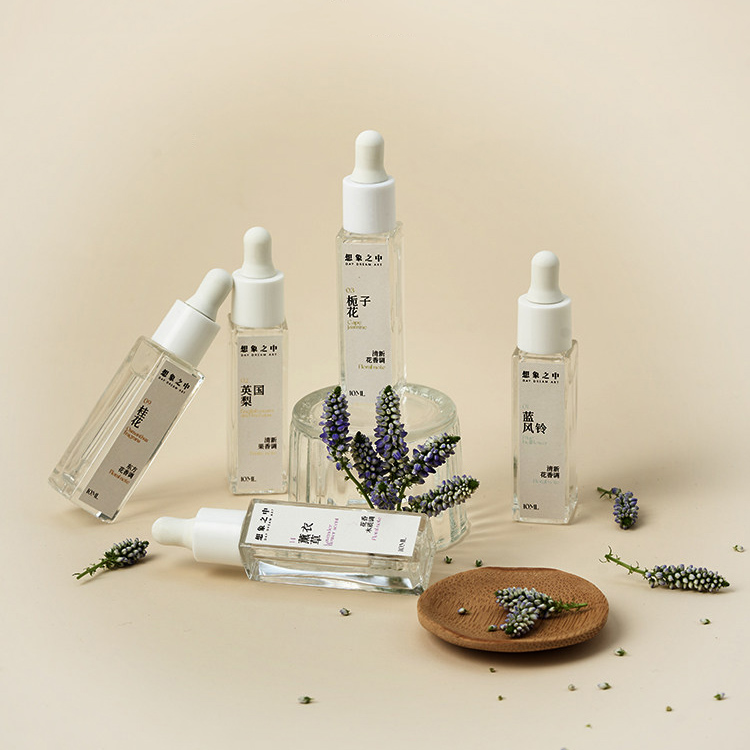
Are Fragrances Made from Fragrance Oils? A Complete Guide
While the allure of a captivating scent is universal, the chemistry behind our favorite aromas often remains a mystery. A question frequently asked by enthusiasts and business owners alike is: Are fragrances made from fragrance oils?
The definitive answer is yes. High-quality fragrance oils serve as the foundational building blocks for the vast majority of modern scents—ranging from the luxury perfumes we wear to the inviting aromas that define our living spaces. However, the relationship between a finished product and its oil base is nuanced, dictated by formulation, concentration, and intended application. This guide explores the intricate world of fragrance oils, their role in the industry, and how they differ from other aromatic ingredients.

To understand how fragrances are made, we must first distinguish between fragrance oils and essential oils. While these terms are often used interchangeably, they represent two distinct categories in the olfactory world.
- Essential Oils: These are 100% natural extracts obtained through steam distillation or cold-pressing plants, flowers, and herbs. They carry the "essence" of the plant but are often limited in variety and can be volatile or expensive.
- Fragrance Oils: These are expertly crafted synthetic or semi-synthetic blends. They are designed to either replicate natural scents (like the complex aroma of a blooming gardenia) or create entirely "fantasy" scents that do not exist in nature. Fragrance oils are prized for their stability, impressive scent throw, and ability to maintain a consistent profile over time.

Personal Scents: From Perfumes to Alcohol-Free Options
In the realm of personal care, fragrance oils are the stars of the show. Traditional perfumes, colognes, and body mists are typically created by blending concentrated fragrance oils with a carrier—most commonly high-grade alcohol. The alcohol acts as a delivery system, allowing the scent to atomize and develop on the skin.
However, modern consumers are increasingly seeking alcohol-free fragrance oil alternatives. Instead of alcohol, these formulations use skin-nourishing carrier oils such as jojoba, fractionated coconut, or argan oil. These oil-based perfumes are a superior choice for those with sensitive skin, as they avoid the drying effects of ethanol. Furthermore, because oil does not evaporate as quickly as alcohol, these "perfume oils" often provide a more intimate, long-lasting scent that stays close to the skin throughout the day.

The Rise of Natural Fragrance Oils
As the "clean beauty" movement gains momentum, natural fragrance oils have become a vital tool for brands focusing on organic and eco-friendly products. Unlike fully synthetic versions, natural fragrance oils are derived entirely from plant-based isolates and essential oil fractions.
By using sophisticated extraction methods like solvent extraction or CO2 distillation, chemists can isolate specific aromatic molecules to create complex, authentic scents. These oils allow manufacturers to label their products as "natural" while still achieving the sophisticated scent profiles—such as zesty citrus or calming lavender—that consumers demand.
Home Fragrance: Enhancing Ambience with Diffusers and Sprays
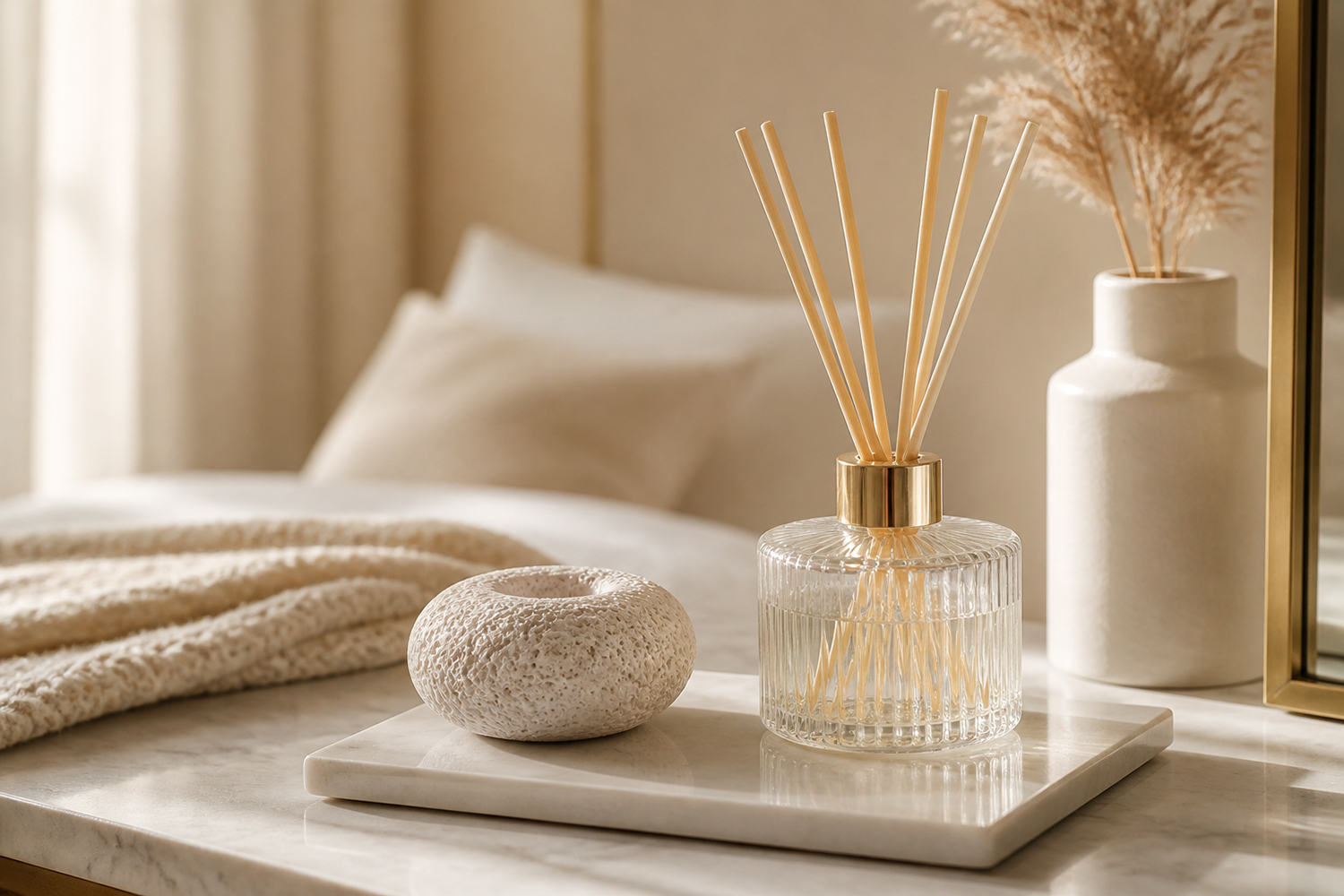
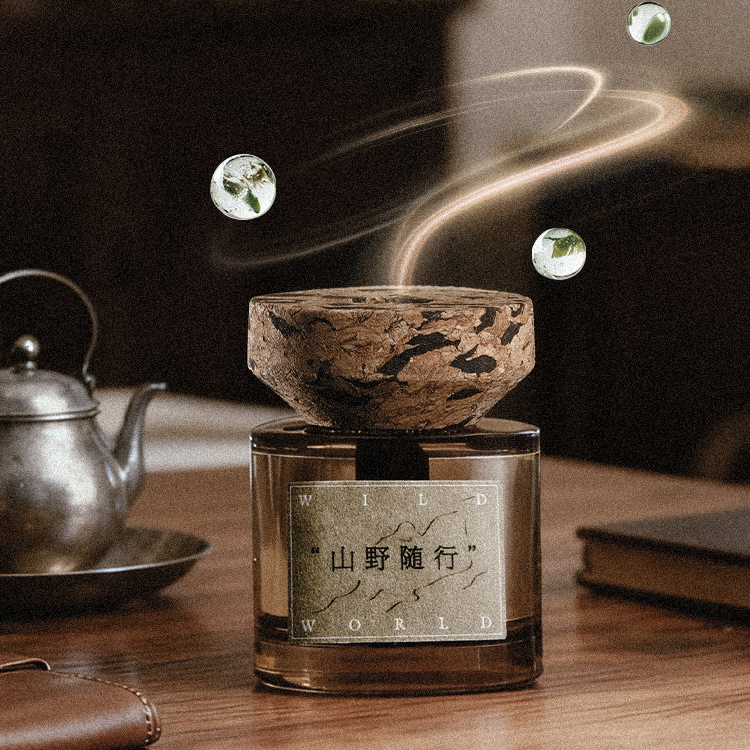
One of the most popular applications for these aromatics is the fragrance oil for diffuser. Whether used in ultrasonic, nebulizing, or heat-based diffusers, these oils are formulated to be potent enough to fill a room.
Unlike oils meant for the skin, diffuser oils are highly concentrated to ensure a wide "scent throw." For instance, a few drops of a refreshing blend can transform a workspace into a focused environment, while a lavender fragrance oil is a staple for promoting better sleep in the bedroom. For those looking for an instant refresh, these same oils are diluted with water and solubilizers to create room sprays and car air fresheners, providing a burst of fragrance on demand.
Spotlight: The Sensory Appeal of Coffee Fragrance Oil
Among the hundreds of available scents, coffee fragrance oil stands out as a top-tier choice for both home and personal use. Capturing the rich, roasted, and slightly chocolatey notes of a fresh brew, this oil is a favorite for creating a cozy, "café-style" atmosphere.
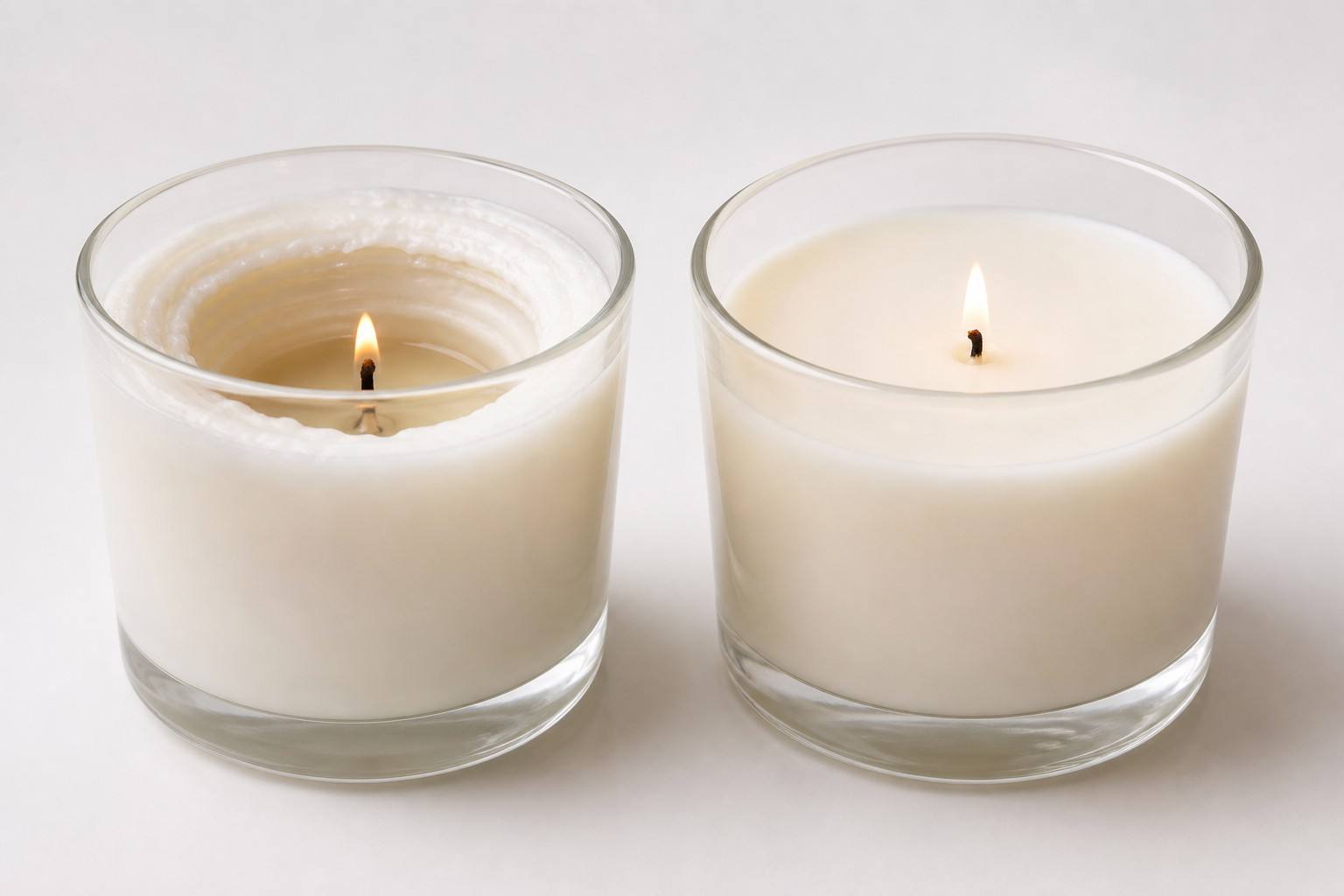
Beyond diffusers, it is a key ingredient in private label candles and men’s grooming products like beard oils and balms, where it adds a sophisticated, earthy depth. When blended with vanilla or cinnamon fragrance oils, it creates a gourmand experience that is both comforting and revitalizing.
The Science of Formulation: Concentration and Notes
When a perfumer uses fragrance oils to create a finished scent, they follow the "olfactory pyramid," which consists of:
- Top Notes: The initial impression (e.g., citrus or light herbs) that fades within 15 minutes.
- Middle (Heart) Notes: The core character of the fragrance that emerges after the top notes dissipate.
- Base Notes: The heavy molecules that provide longevity and depth, lingering for hours.
The ratio of fragrance oil to carrier determines the product's intensity and naming convention:
- Eau de Cologne: 2–5% concentration.
- Eau de Toilette: 5–12% concentration.
- Eau de Parfum: 15–20% concentration.
- Extrait de Parfum: 20% or higher, offering the maximum longevity.
Manufacturing and Safety Standards
A common misconception is that synthetic fragrance oils are "harmless chemicals" or "inferior." In reality, professional-grade wholesale fragrance oils are subject to rigorous safety standards set by organizations like IFRA (International Fragrance Association).
High-quality oils are often formulated to be phthalate-free and paraben-free, ensuring they are safe for inhalation and skin contact. For B2B buyers and DIY crafters, sourcing oils that meet these compliance standards is essential for creating premium scented candles, reed diffusers, and soaps that consumers can trust.
Conclusion: The Heart of the Fragrance Industry
To answer the original question: Yes, fragrance oils are indeed the heart and soul of the scents we love. From the invigorating mist of a fragrance oil for diffuser to the gentle touch of an alcohol-free fragrance oil, these versatile blends make it possible to capture and enjoy complex aromas in every aspect of our lives.
By understanding the differences between natural and synthetic options, and the importance of concentration and quality, you can make more informed decisions—whether you are choosing a signature scent for yourself or developing a product line for the global market. Fragrance oils prove that with the right blend of science and nature, we can truly transform our environment through the power of scent.
Why Premium Coffee Fragrance Candles are the Ultimate Home Essential
What is the best room spray?
Related Article